weaving, textile
#
weaving
#
textile
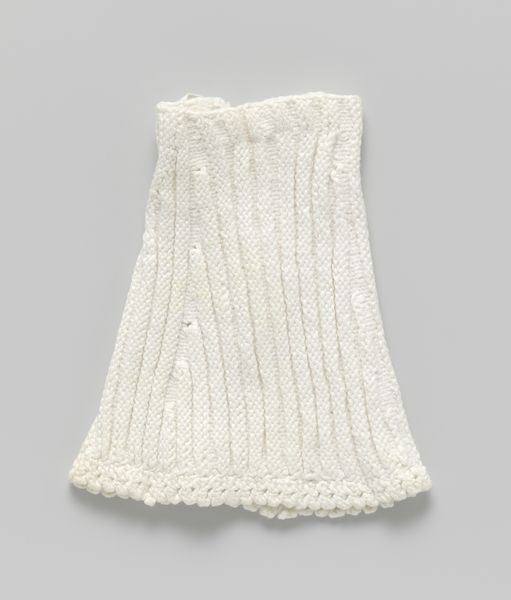
Dimensions: length 18 cm, width 7 cm
Copyright: Rijks Museum: Open Domain
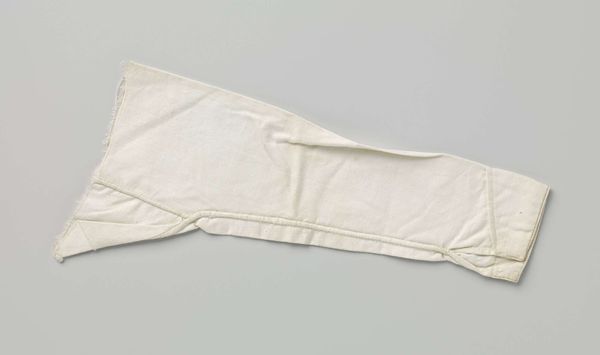
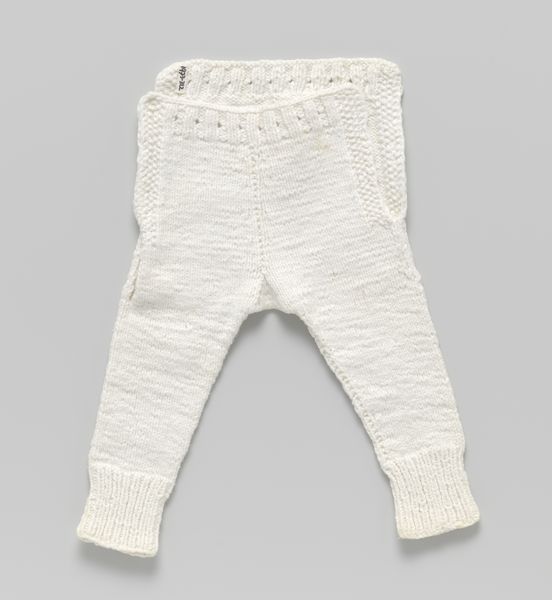
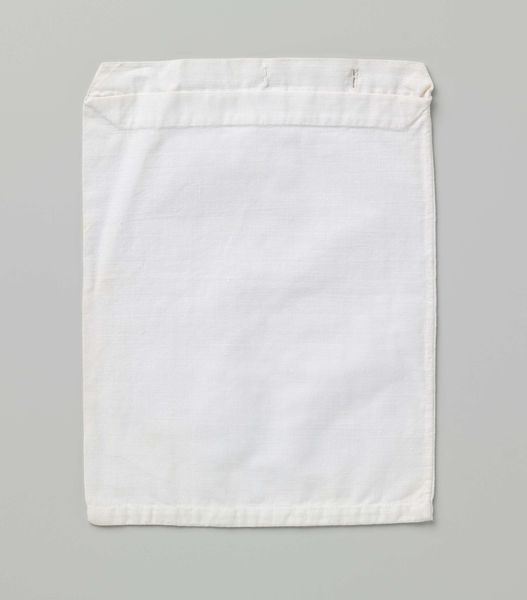
This soleless baby sock, knitted from white cotton by G. Glas, speaks volumes in its humble simplicity. The sock, in its essence, represents protection, warmth, and care. Across cultures, textiles hold deep symbolic weight. Consider the swaddling cloths of Renaissance paintings, enveloping the Christ child, or the winding sheets of ancient burials. The act of covering and shielding the body is a primal gesture, connecting us to the earliest human societies. The whiteness of the cotton evokes purity and innocence, underscoring the vulnerability of the newborn it is intended for. But this sock, with its careful stitches, is more than mere utility. It is a talisman against the unknown, a tangible expression of love and hope, passed down through generations. The cyclical return to these basic gestures of care is a testament to our shared humanity, resonating on a subconscious level with our deepest anxieties and desires.
Comments
No comments
Be the first to comment and join the conversation on the ultimate creative platform.
 Collect
 React
React Comment
More like this