About this artwork
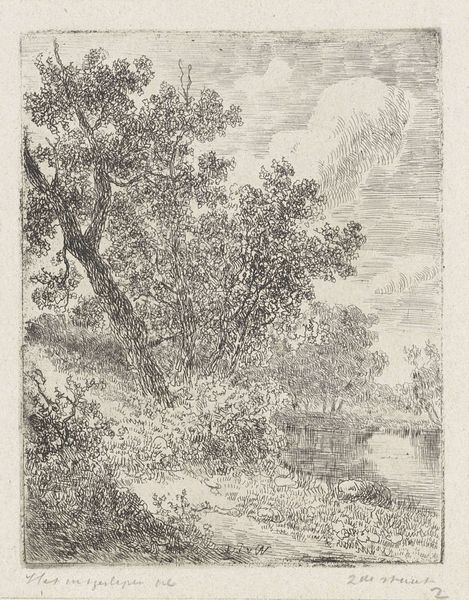
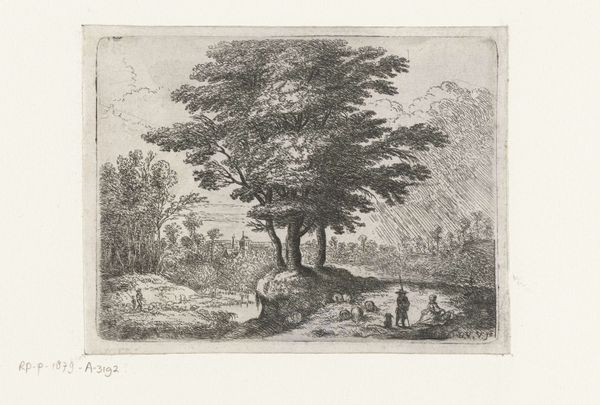
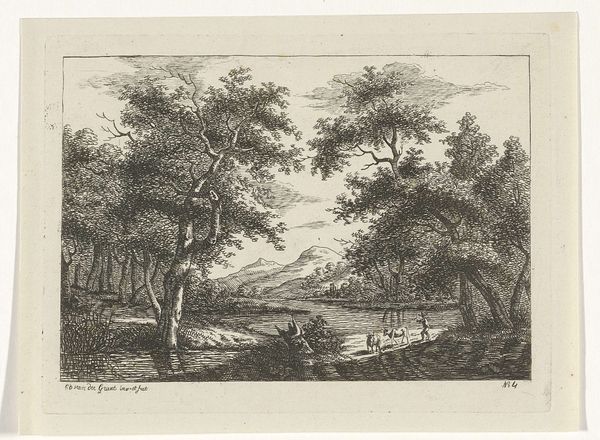
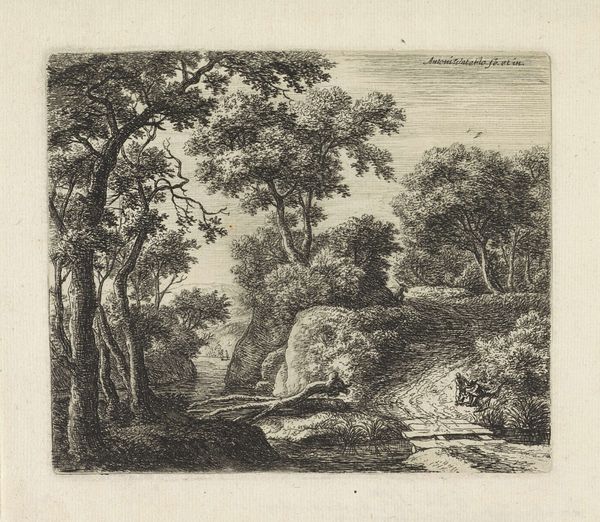
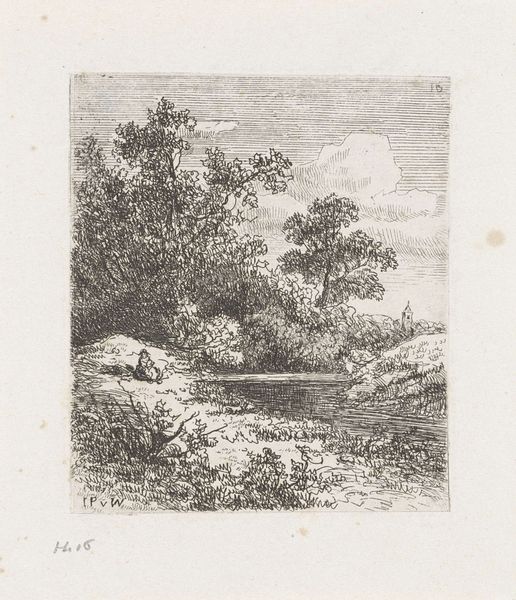
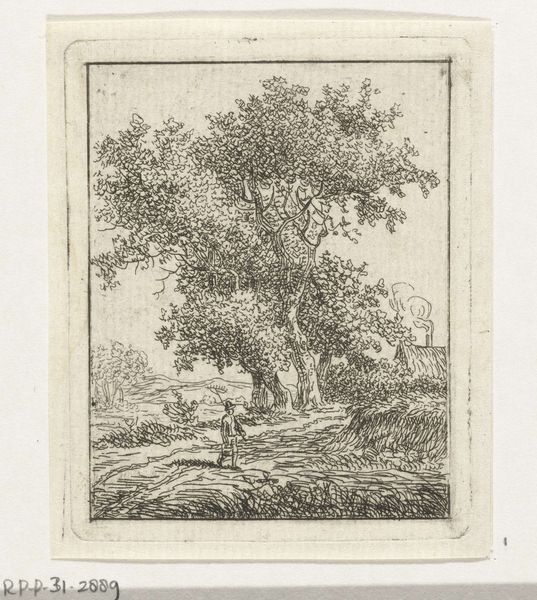
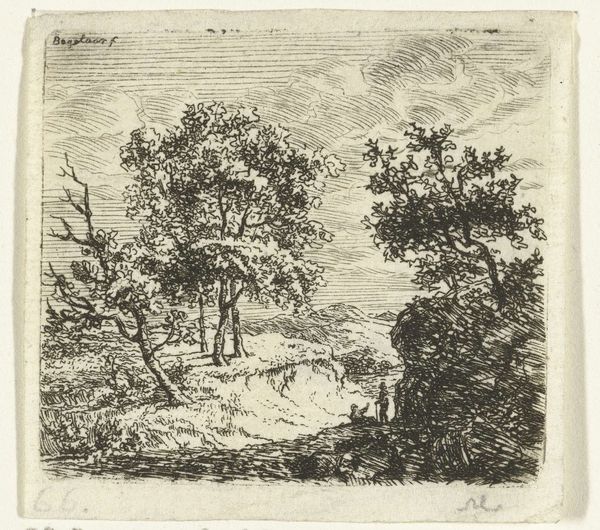
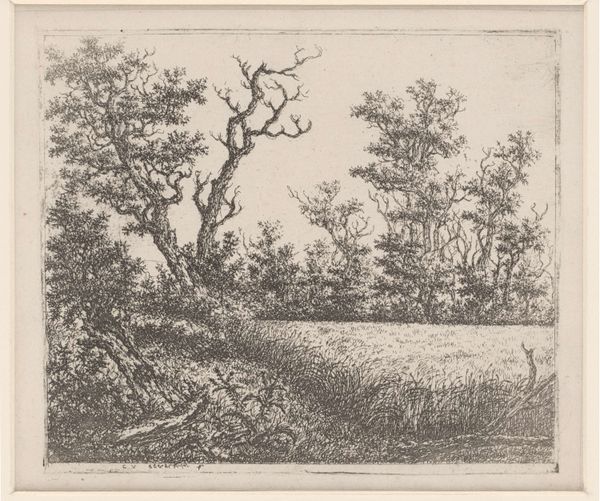
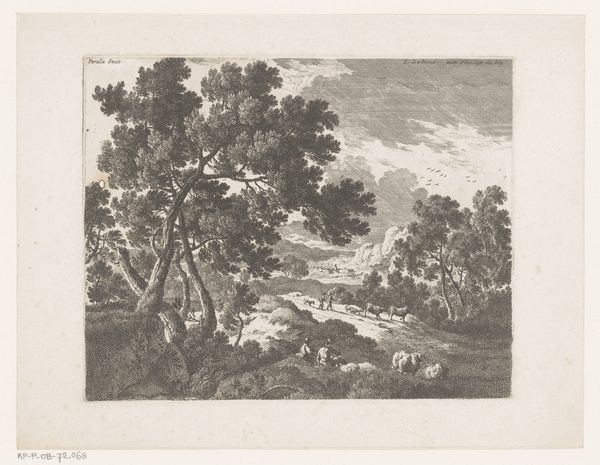
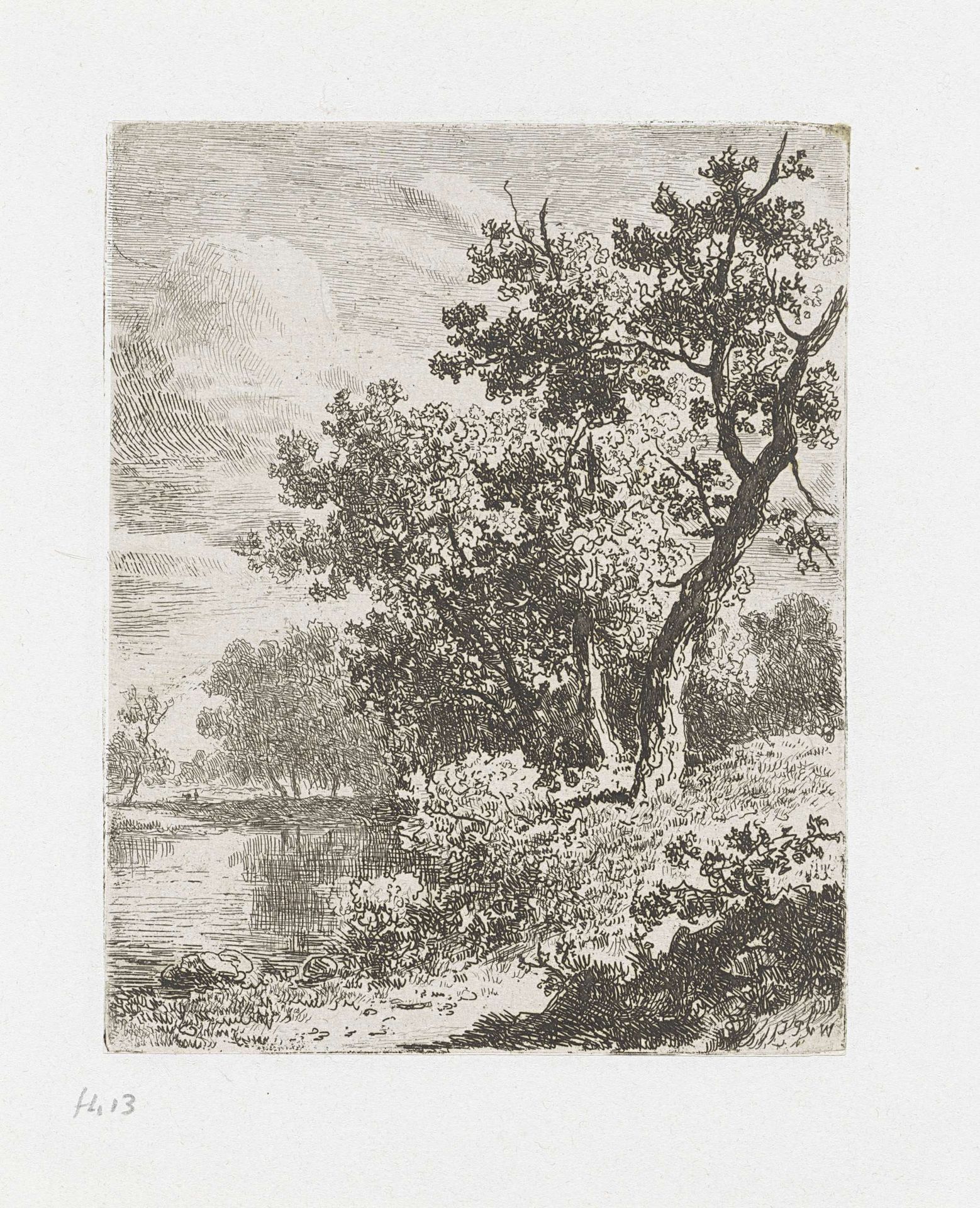
Johannes Pieter van Wisselingh created this river landscape with trees using etching, a dance of line and light. Observe the trees, symbols of life and nature's enduring strength, deeply rooted yet reaching for the heavens. This motif echoes through art history, from ancient Egyptian tree worship to the Romantic era's fascination with nature's sublime power. Consider the symbolism of the forest. In folklore and mythology, forests often represent the subconscious, a place of mystery, trials, and transformation. From the enchanted forests of fairy tales to the dark woods of Dante's Inferno, this symbol has resonated with humans across cultures and centuries. The cyclical nature of trees—birth, growth, death, and rebirth—mirrors the human experience and our collective memory. This archetypal imagery evokes deep-seated emotions, reminding us of our connection to the natural world and the passage of time.
Rivieroever met bomen
1830 - 1878

Johannes Pieter van Wisselingh
1812 - 1899Location
RijksmuseumArtwork details
- Dimensions
- height 130 mm, width 103 mm
- Location
- Rijksmuseum
- Copyright
- Rijks Museum: Open Domain
Comments
Share your thoughts
About this artwork
Johannes Pieter van Wisselingh created this river landscape with trees using etching, a dance of line and light. Observe the trees, symbols of life and nature's enduring strength, deeply rooted yet reaching for the heavens. This motif echoes through art history, from ancient Egyptian tree worship to the Romantic era's fascination with nature's sublime power. Consider the symbolism of the forest. In folklore and mythology, forests often represent the subconscious, a place of mystery, trials, and transformation. From the enchanted forests of fairy tales to the dark woods of Dante's Inferno, this symbol has resonated with humans across cultures and centuries. The cyclical nature of trees—birth, growth, death, and rebirth—mirrors the human experience and our collective memory. This archetypal imagery evokes deep-seated emotions, reminding us of our connection to the natural world and the passage of time.
Comments
Share your thoughts