About this artwork
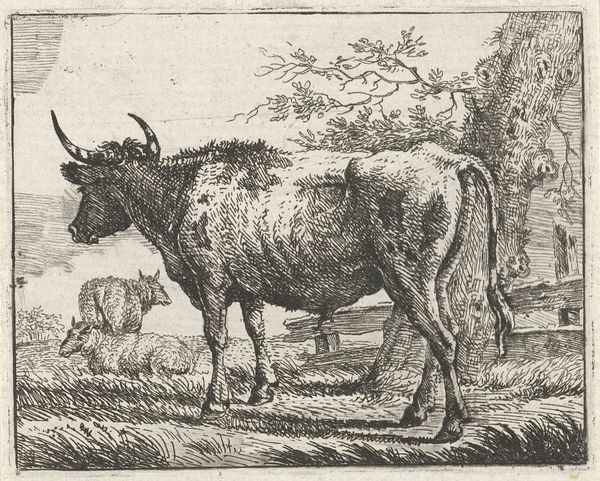
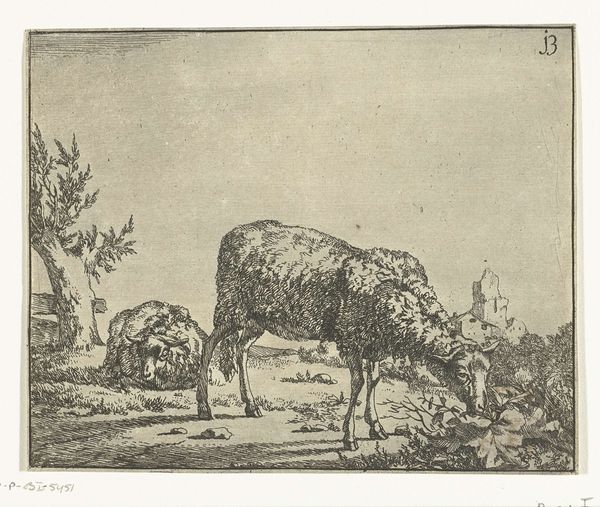
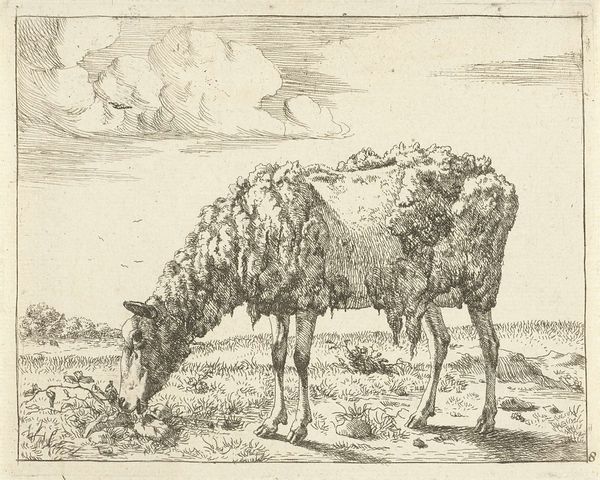
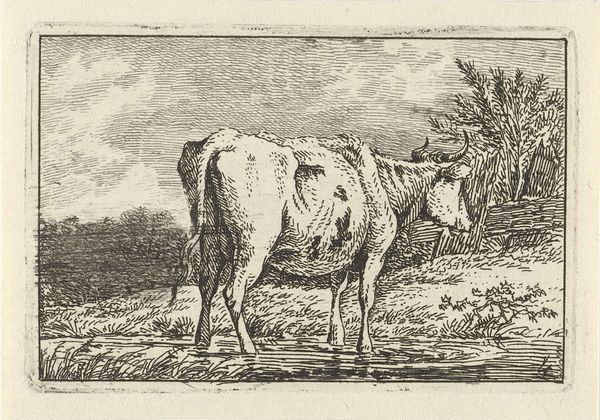
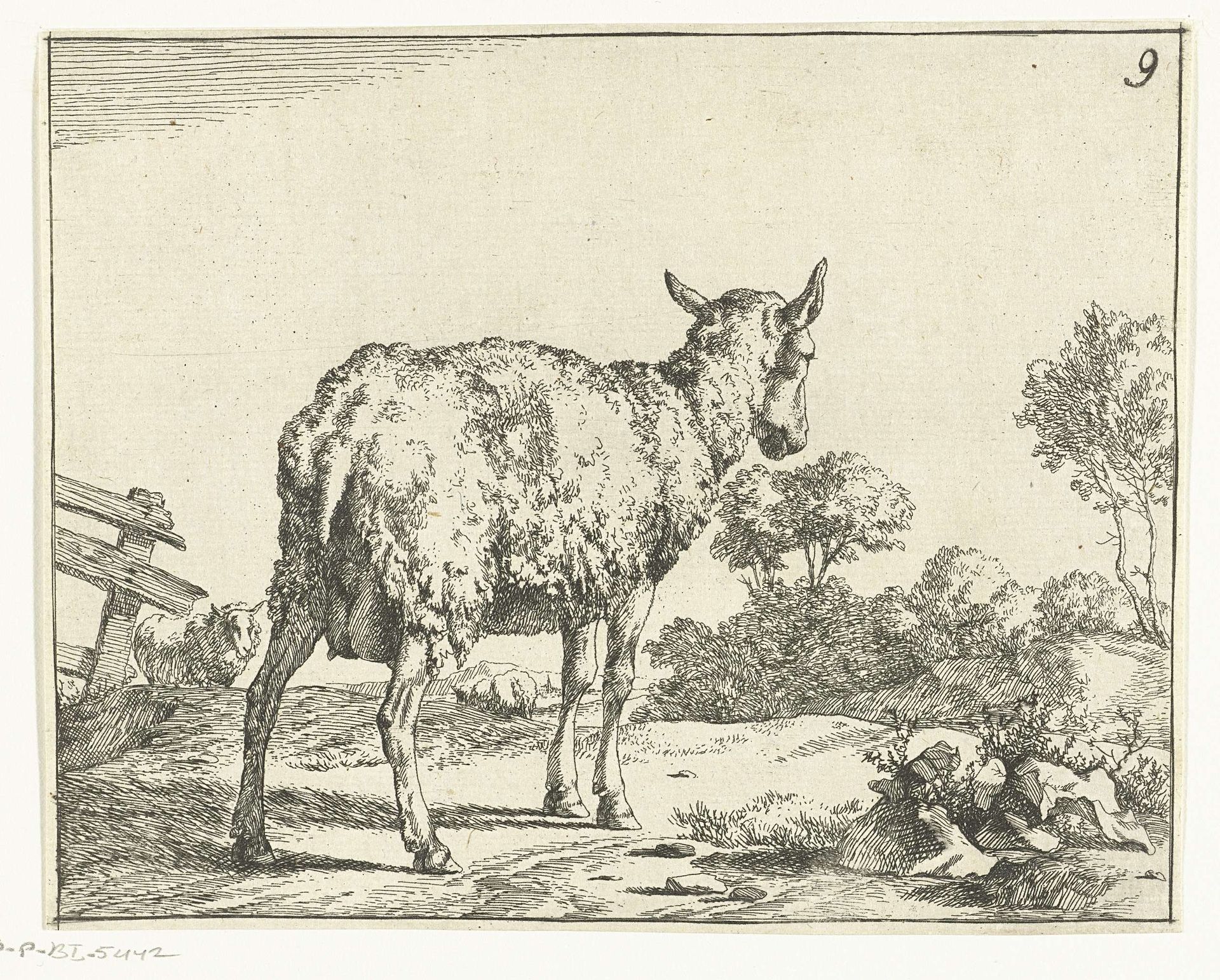
Marcus de Bye etched this "Standing Sheep, from Behind, by Fence" in the 17th century. The sheep, a seemingly simple subject, is laden with historical symbolism. In Christian iconography, the sheep represents innocence, purity, and the faithful flock. It is a symbol of Christ himself, the Lamb of God. Yet, consider the "Ecce Agnus Dei" depictions—the lamb is often sacrificial, bearing a wound, symbolizing profound suffering. De Bye’s sheep stands peacefully, its back turned, perhaps unaware, or indifferent, to its symbolic weight. We see echoes of this motif across centuries; from ancient pastoral scenes evoking an idyllic existence to its darker manifestations in religious art. The enduring image of the sheep touches on collective anxieties and hopes, reminding us of humanity’s longing for guidance and protection, while also hinting at vulnerability and inevitable sacrifice. It is a potent, recurring symbol, its simplicity belying a depth of cultural resonance.

Artwork details
- Medium
- print, etching
- Dimensions
- height 111 mm, width 139 mm
- Location
- Rijksmuseum
- Copyright
- Rijks Museum: Open Domain
Tags
Comments
Share your thoughts
About this artwork
Marcus de Bye etched this "Standing Sheep, from Behind, by Fence" in the 17th century. The sheep, a seemingly simple subject, is laden with historical symbolism. In Christian iconography, the sheep represents innocence, purity, and the faithful flock. It is a symbol of Christ himself, the Lamb of God. Yet, consider the "Ecce Agnus Dei" depictions—the lamb is often sacrificial, bearing a wound, symbolizing profound suffering. De Bye’s sheep stands peacefully, its back turned, perhaps unaware, or indifferent, to its symbolic weight. We see echoes of this motif across centuries; from ancient pastoral scenes evoking an idyllic existence to its darker manifestations in religious art. The enduring image of the sheep touches on collective anxieties and hopes, reminding us of humanity’s longing for guidance and protection, while also hinting at vulnerability and inevitable sacrifice. It is a potent, recurring symbol, its simplicity belying a depth of cultural resonance.
Comments
Share your thoughts