1882
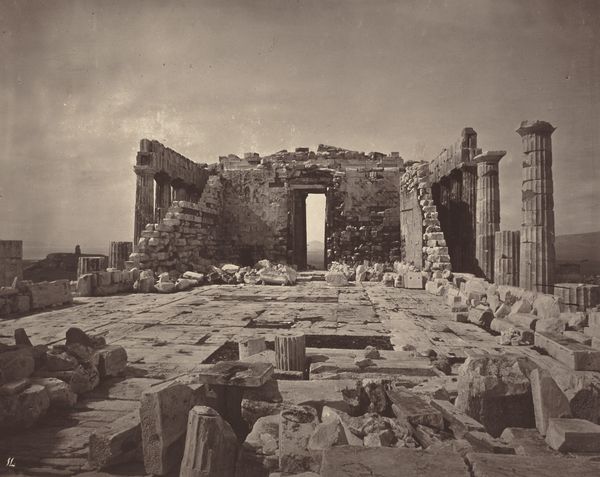
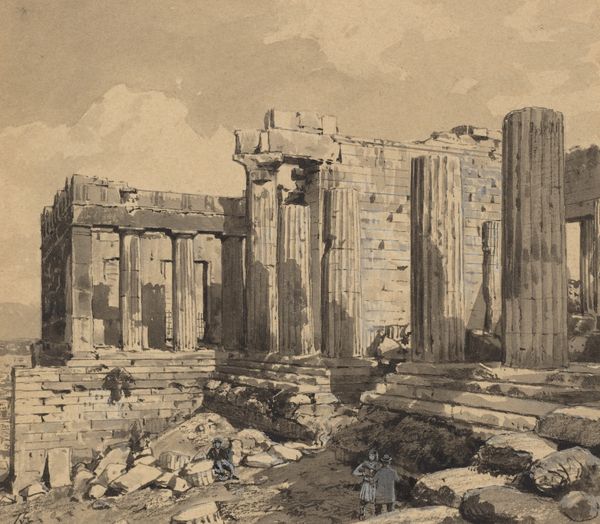
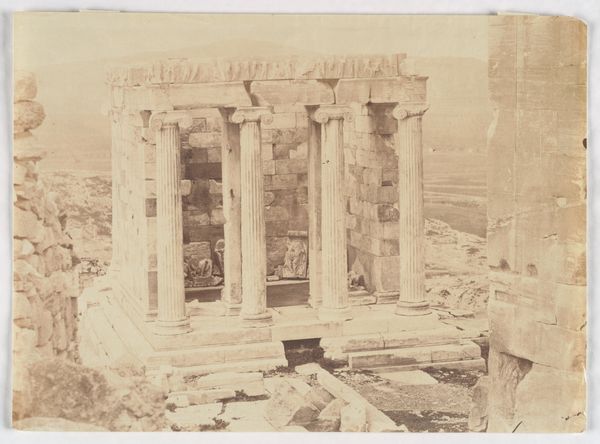
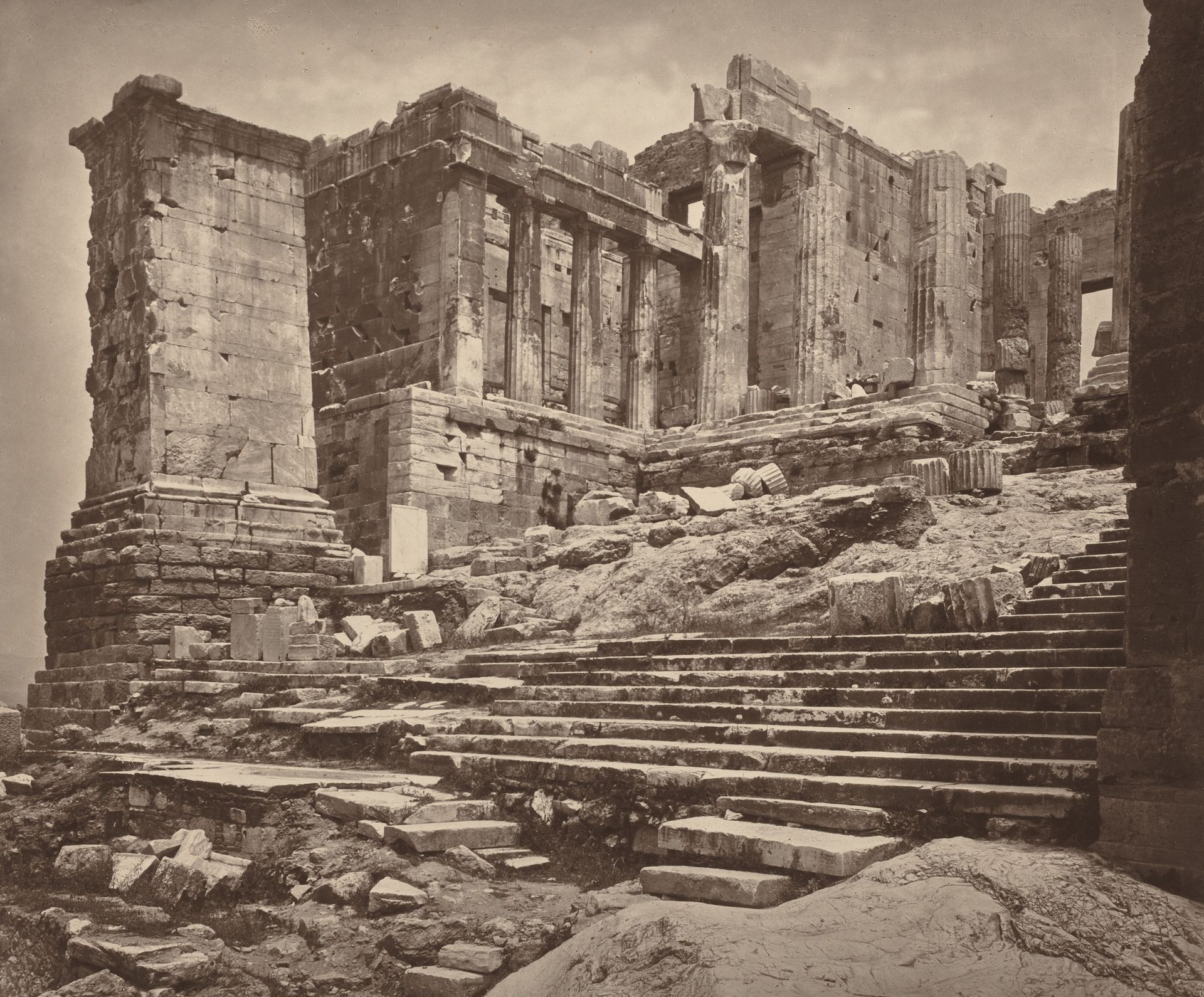
Propylaea from the Southwest


Listen to curator's interpretation
Curatorial notes
William James Stillman captured this albumen print of the Propylaea from the Southwest, likely in the late 19th century. Stillman was deeply involved in the artistic and intellectual movements of his time, including the Pre-Raphaelite Brotherhood, reflecting a longing for a return to simpler, more "authentic" artistic practices. In this photograph, Stillman presents a classical subject from a novel perspective. The Propylaea was the monumental gateway to the Acropolis in Athens. In the image, the grand structure is fragmented. The viewer confronts an enduring, if damaged, symbol of ancient Greek civilization through a modern lens. Stillman’s choice to capture the Propylaea from this angle invites us to consider themes of ruins, memory, and the passage of time, as well as the impact of modernity on the ancient world. The photograph evokes a sense of reverence for the past while acknowledging its fragile state. Consider the layered meanings of the artwork: a ruin of a gateway to the very origin of democracy and philosophy in the western world.