About this artwork
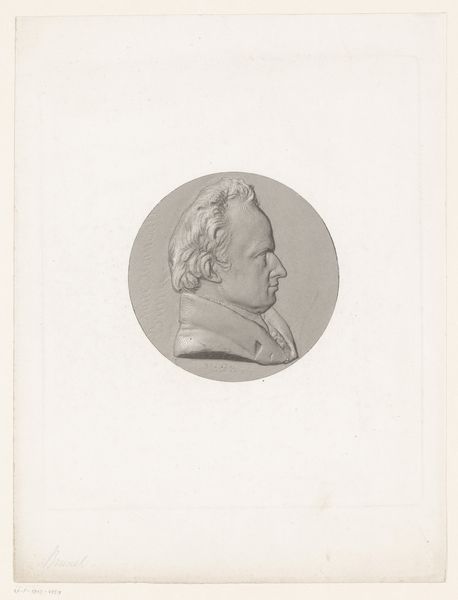
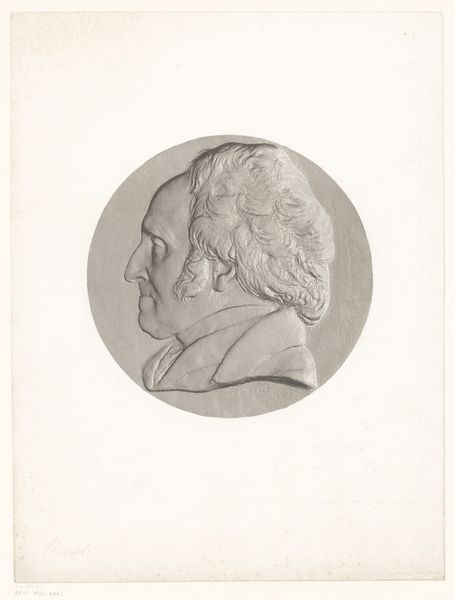
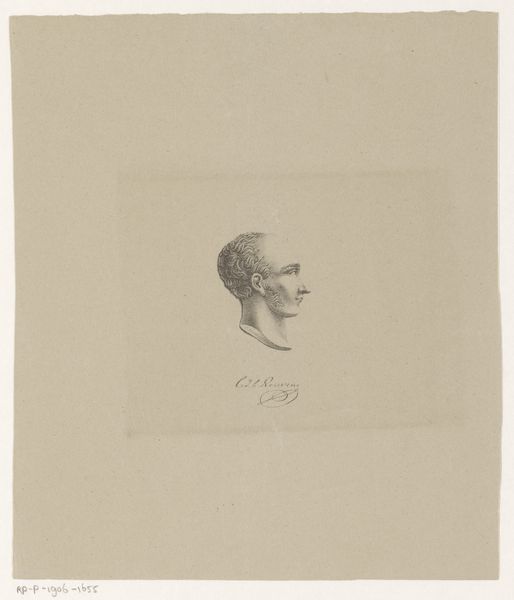
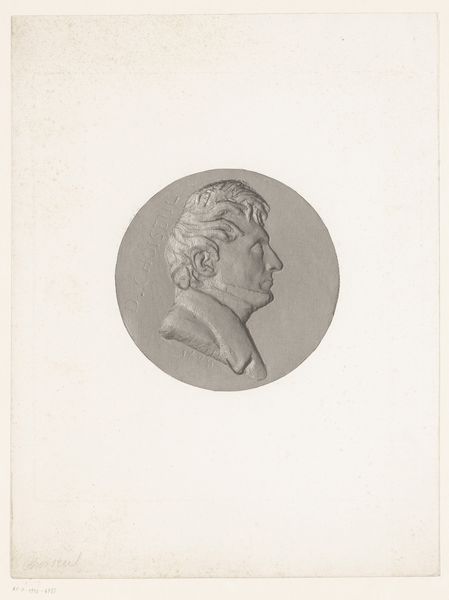
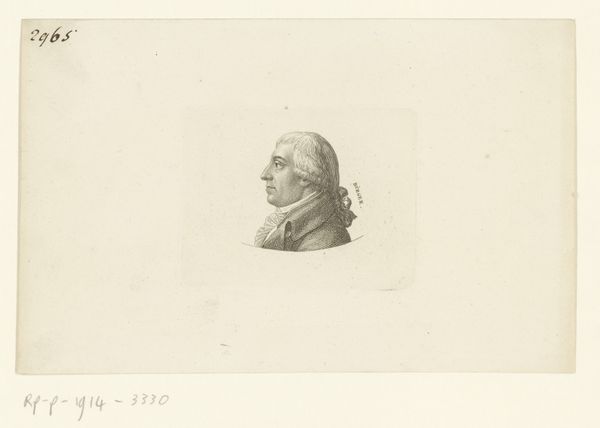
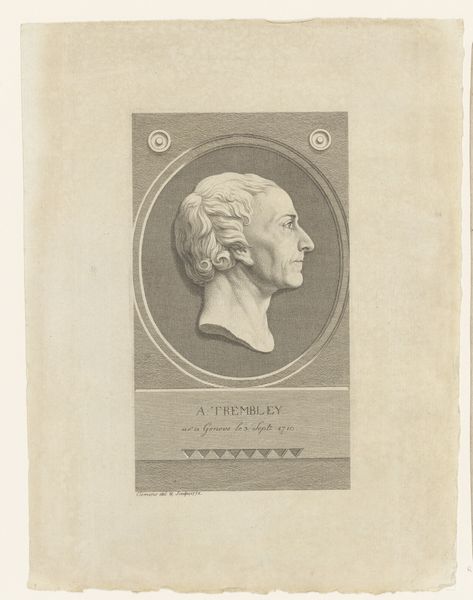
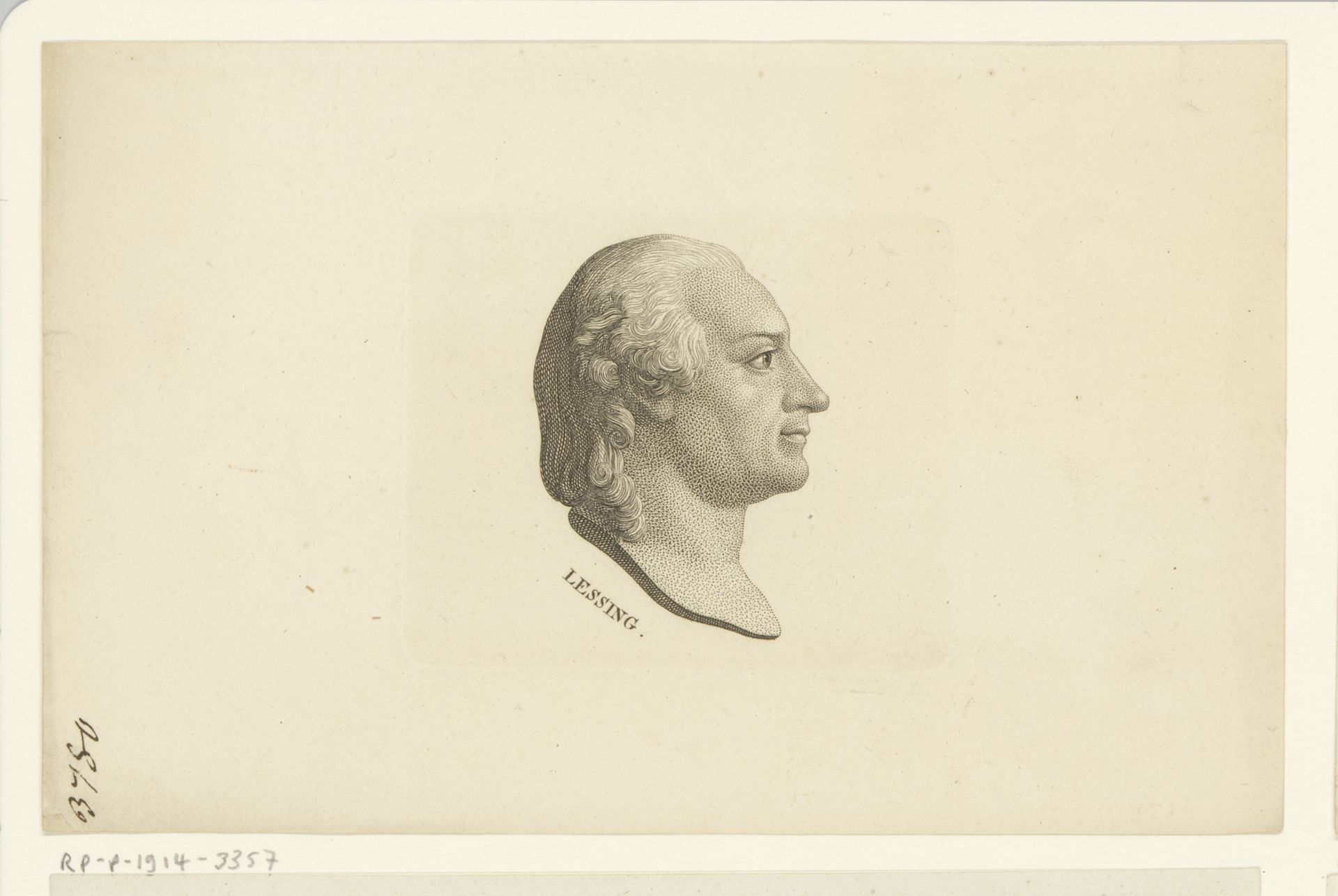
Ernst Ludwig Riepenhausen made this engraving of Gotthold Ephraim Lessing. Here, the profile portrait, an artistic choice tracing back to antiquity, presents more than just a likeness. Consider Roman coins, where emperors immortalized their profiles, projecting power and authority. Lessing, a philosopher and playwright, is captured with a similar sense of gravitas. It is as if Riepenhausen consciously evokes the classical world to ennoble his subject. The profile, therefore, becomes a symbol of intellectual authority. Yet, unlike those ancient rulers, Lessing gazes not into the future but towards an unseen space. This averted gaze suggests introspection, a hallmark of Enlightenment thought. This echoes through time, recurring in Renaissance portraits and beyond, as a recurring motif, signifying contemplation and inner depth.

Artwork details
- Medium
- drawing, pencil
- Dimensions
- height 66 mm, width 79 mm
- Copyright
- Rijks Museum: Open Domain
Tags
Comments
Share your thoughts
About this artwork
Ernst Ludwig Riepenhausen made this engraving of Gotthold Ephraim Lessing. Here, the profile portrait, an artistic choice tracing back to antiquity, presents more than just a likeness. Consider Roman coins, where emperors immortalized their profiles, projecting power and authority. Lessing, a philosopher and playwright, is captured with a similar sense of gravitas. It is as if Riepenhausen consciously evokes the classical world to ennoble his subject. The profile, therefore, becomes a symbol of intellectual authority. Yet, unlike those ancient rulers, Lessing gazes not into the future but towards an unseen space. This averted gaze suggests introspection, a hallmark of Enlightenment thought. This echoes through time, recurring in Renaissance portraits and beyond, as a recurring motif, signifying contemplation and inner depth.
Comments
Share your thoughts