About this artwork
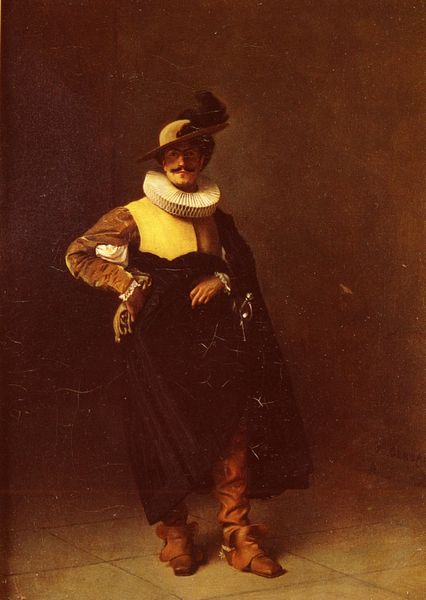
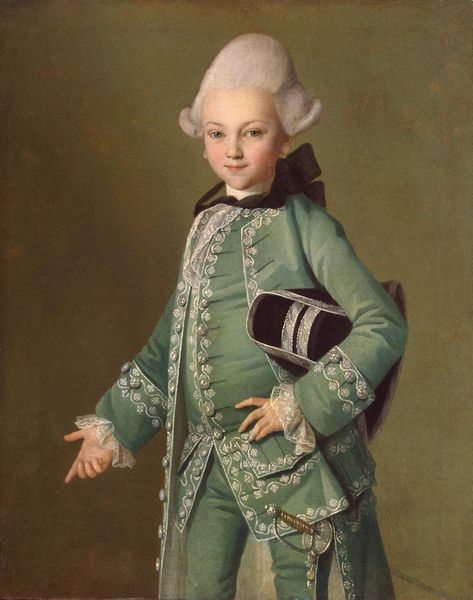
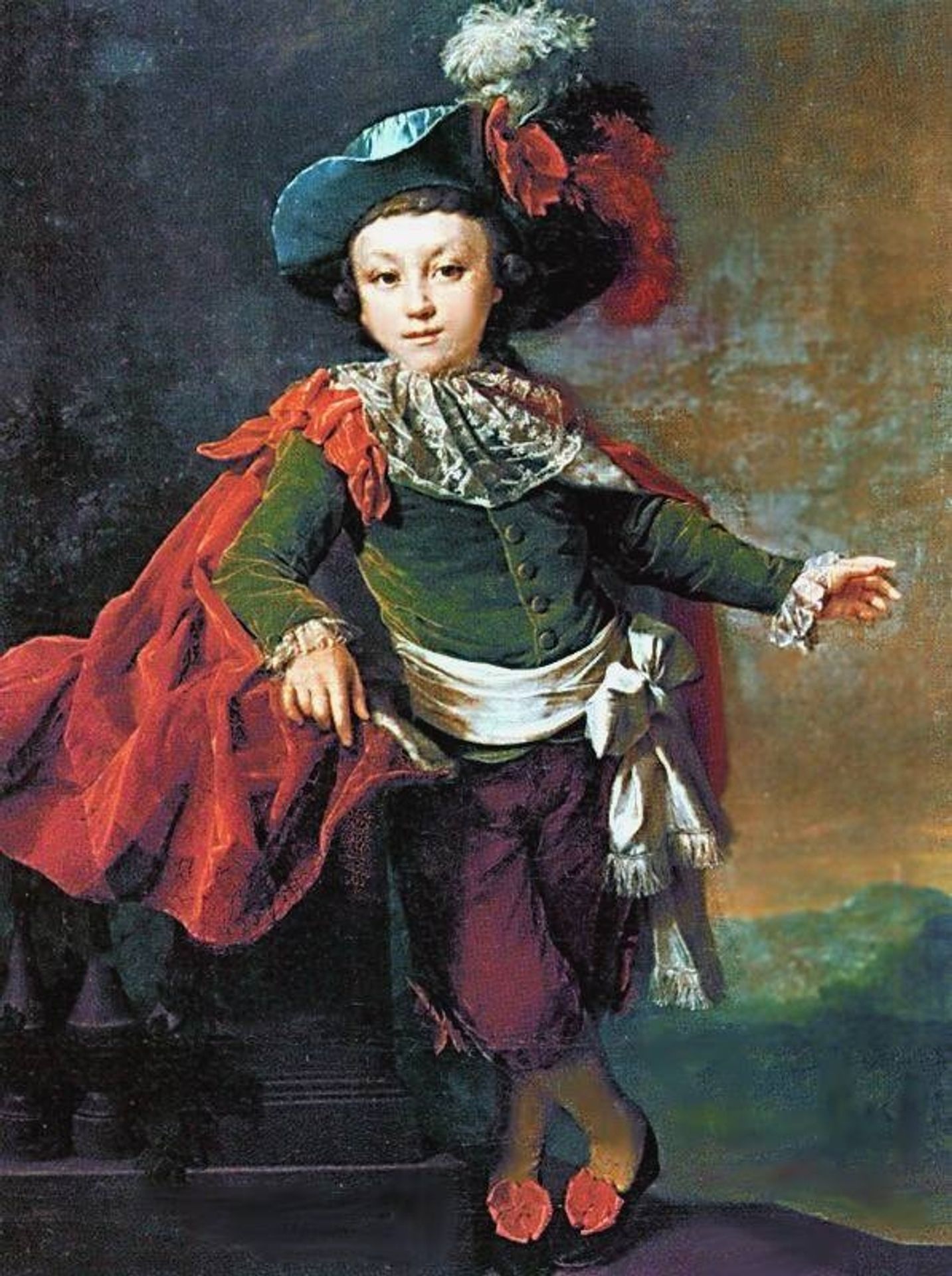
Dmitry Levitzky painted this portrait of F.P. Makerovskiy sometime in the late 18th century. Here we see the young Makerovskiy adorned in the attire of masquerade, a popular form of entertainment among the Russian aristocracy at the time. But, there’s more than meets the eye in this seemingly innocent portrayal of childhood. Levitzky, a prominent portraitist in Catherine the Great’s Russia, often used his work to explore themes of identity and social roles. The masquerade, with its emphasis on disguise and performance, becomes a potent symbol of the constructed nature of identity. Notice how young Makerovskiy is posed, his gesture and gaze confident, almost theatrical. Through this playful yet pointed representation, Levitzky subtly critiques the rigid social structures of his time while hinting at the fluidity of identity. This portrait serves as a mirror reflecting society's complexities but also the individual’s potential to shape and define their own narrative.
Portrait of F.P. Makerovskiy in masquerade costume
1789


Artwork details
- Location
- Tretyakov Gallery, Moscow, Russia
- Copyright
- Public domain
Comments
Share your thoughts
About this artwork
Dmitry Levitzky painted this portrait of F.P. Makerovskiy sometime in the late 18th century. Here we see the young Makerovskiy adorned in the attire of masquerade, a popular form of entertainment among the Russian aristocracy at the time. But, there’s more than meets the eye in this seemingly innocent portrayal of childhood. Levitzky, a prominent portraitist in Catherine the Great’s Russia, often used his work to explore themes of identity and social roles. The masquerade, with its emphasis on disguise and performance, becomes a potent symbol of the constructed nature of identity. Notice how young Makerovskiy is posed, his gesture and gaze confident, almost theatrical. Through this playful yet pointed representation, Levitzky subtly critiques the rigid social structures of his time while hinting at the fluidity of identity. This portrait serves as a mirror reflecting society's complexities but also the individual’s potential to shape and define their own narrative.
Comments
Share your thoughts