About this artwork
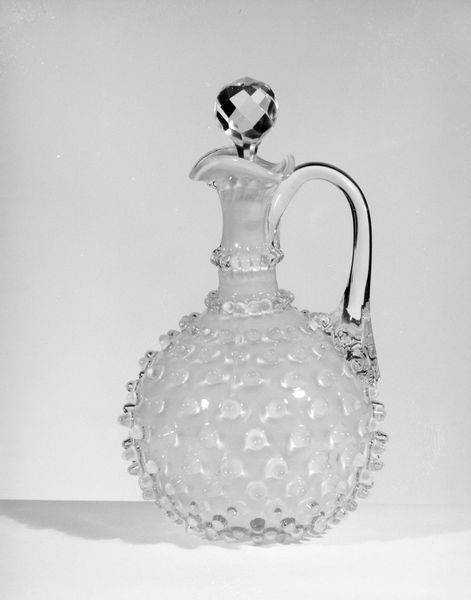
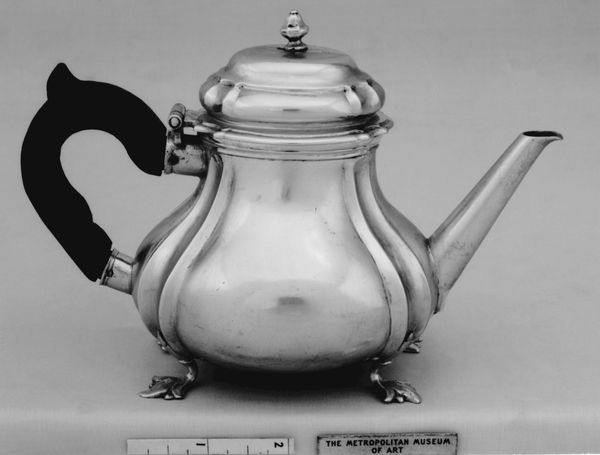
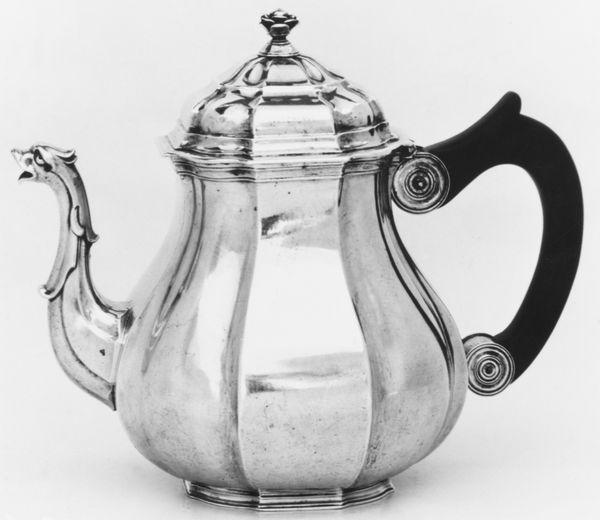
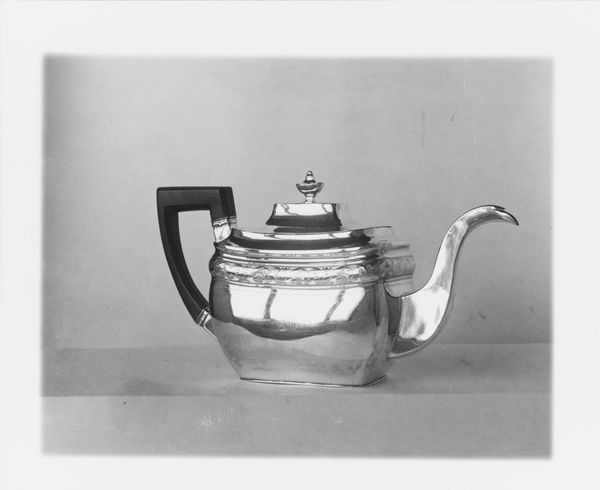
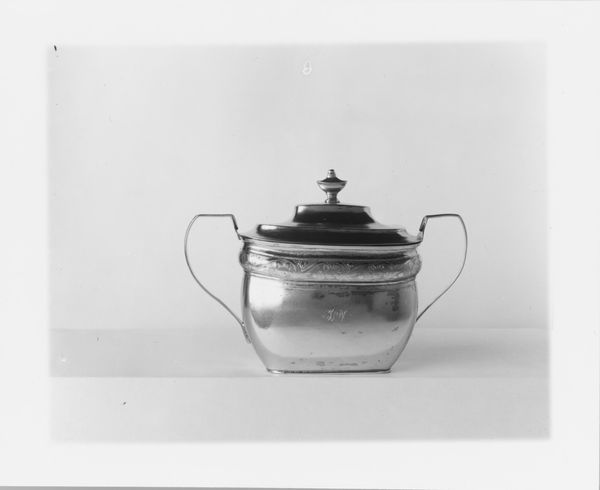
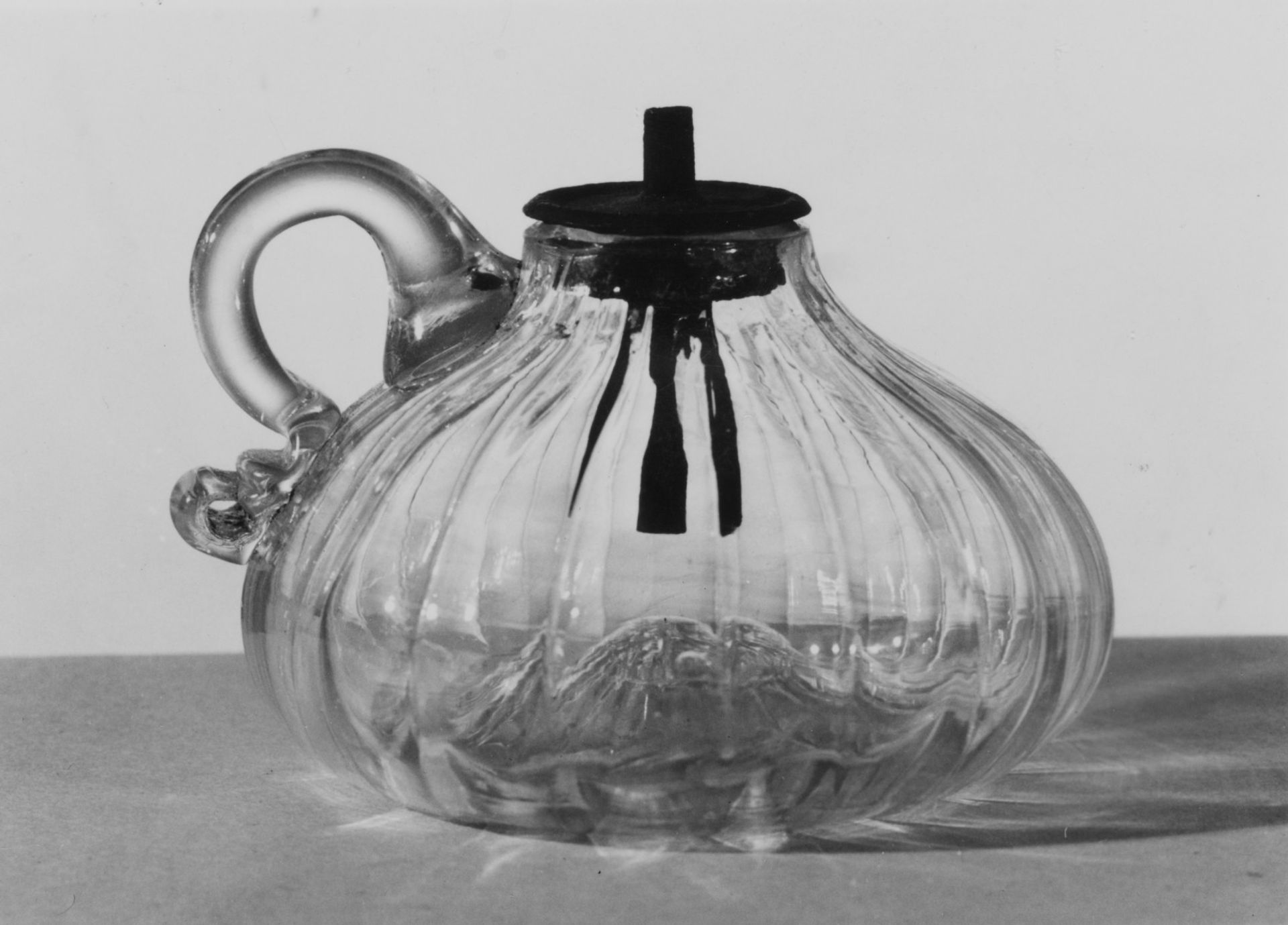
This lamp was created by the New England Glass Company sometime between 1818 and 1888. Notice how the clear glass is shaped into soft vertical curves that give it an organic, almost gourd-like form, despite its rigid material. The handle mirrors this curvaceous quality, while the dark lid with its strong vertical element creates a stark contrast, disrupting the lamp’s otherwise gentle appearance. The ridges catch and refract light, producing a play of shadows and highlights that animate the surface. The design balances functionality with aesthetic appeal, typical of functional objects made during this period. The choice of glass allows light to filter through, enhancing its utility but also imbuing the object with a sense of ethereal beauty. This interplay between light, form, and material invites us to consider how everyday items can also be works of art.
Lamp
1818 - 1825

New England Glass Company
1818 - 1888
The Metropolitan Museum of Art
Metropolitan Museum of Art, New York, NYArtwork details
- Medium
- glass, sculpture
- Dimensions
- H. 2 1/4 in. (5.7 cm)
- Location
- Metropolitan Museum of Art, New York, NY
- Copyright
- Public Domain
Tags
Comments
Share your thoughts
About this artwork
This lamp was created by the New England Glass Company sometime between 1818 and 1888. Notice how the clear glass is shaped into soft vertical curves that give it an organic, almost gourd-like form, despite its rigid material. The handle mirrors this curvaceous quality, while the dark lid with its strong vertical element creates a stark contrast, disrupting the lamp’s otherwise gentle appearance. The ridges catch and refract light, producing a play of shadows and highlights that animate the surface. The design balances functionality with aesthetic appeal, typical of functional objects made during this period. The choice of glass allows light to filter through, enhancing its utility but also imbuing the object with a sense of ethereal beauty. This interplay between light, form, and material invites us to consider how everyday items can also be works of art.
Comments
Share your thoughts