About this artwork
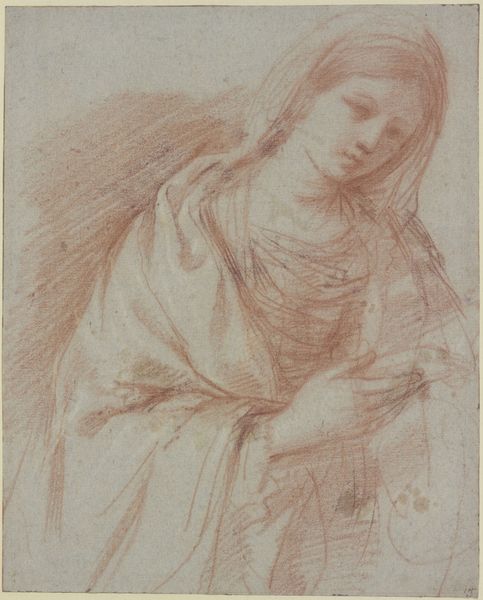
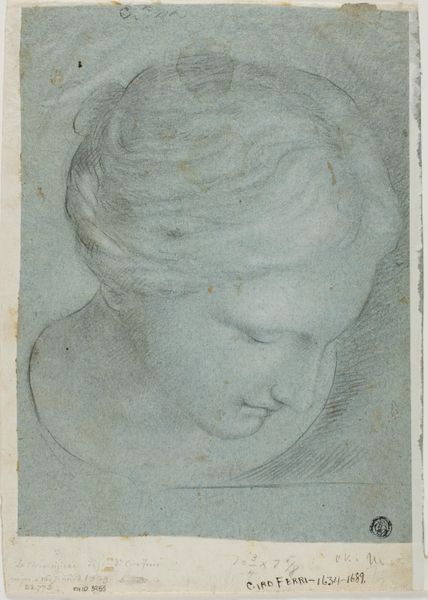
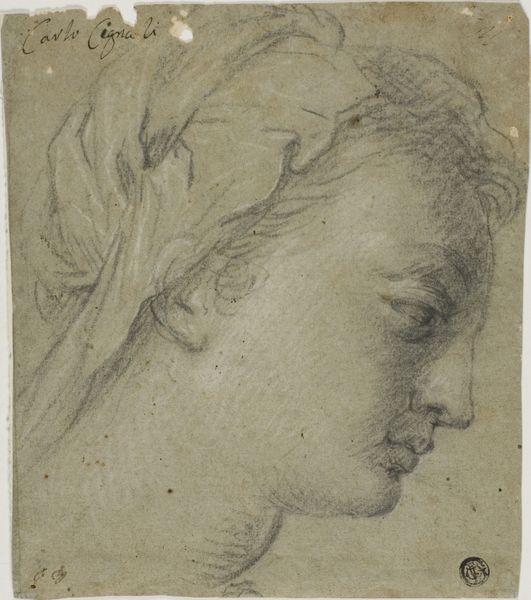
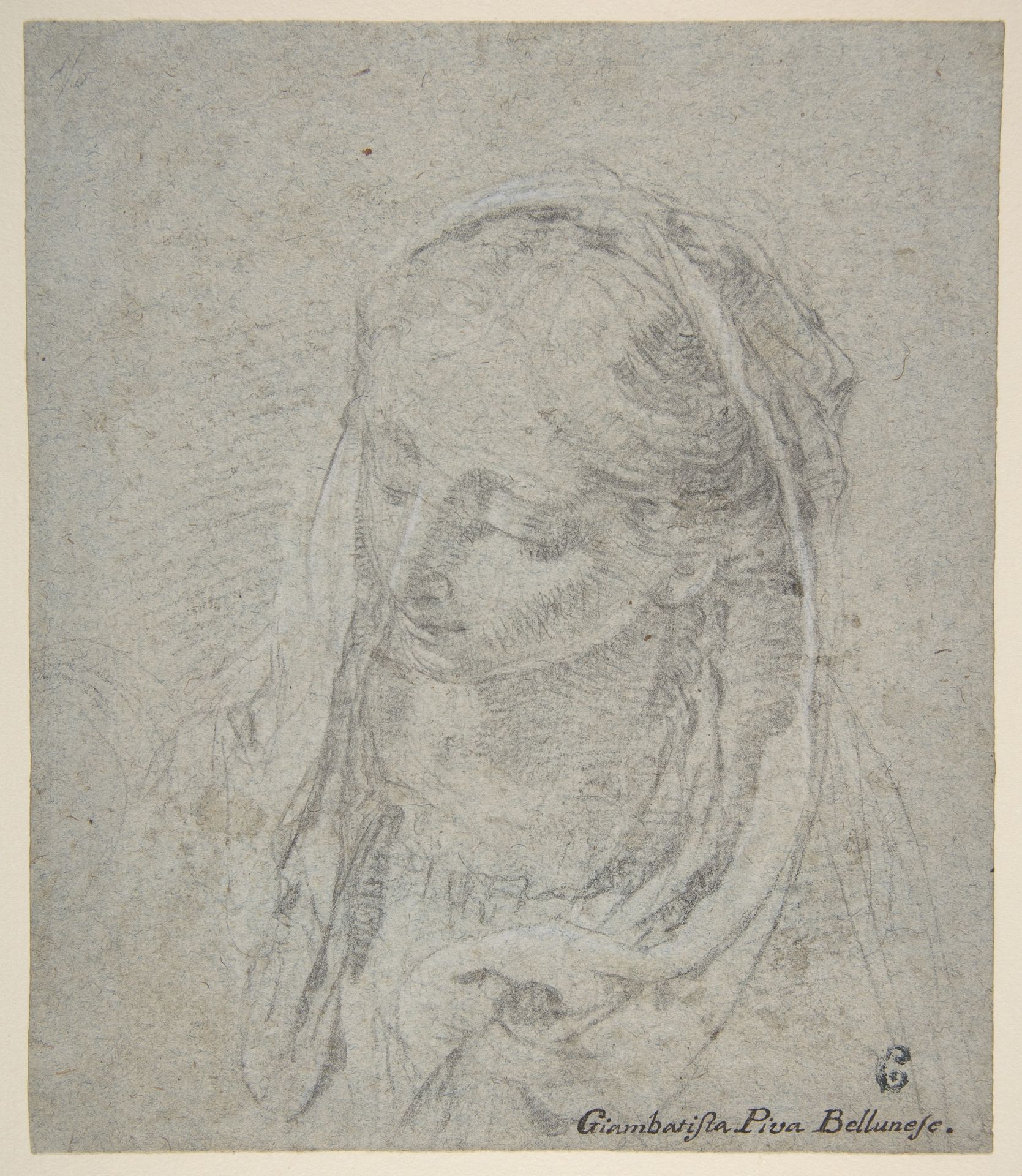
Giovanni Battista Piva created this ‘Head of a Woman’ drawing sometime in the late 18th century. It is rendered in chalk on gray paper. During the 1700s, women were frequently portrayed through a male gaze. Piva’s drawing of a woman looking down reflects the cultural norms of the time, where women were often depicted as demure and submissive. The soft lines of the chalk emphasize her gentle features, conforming to idealized standards of femininity. The head covering is likely a reference to modesty. However, there's also a delicate emotionality in this work, a sense of introspection, as she looks down, inviting us to question the expectations placed on women during this period. While Piva's work may reflect some of the traditional representations of women, it also hints at the complexities and inner lives of his subjects. We can still wonder about the woman depicted, and the quiet intensity of her downcast gaze.
Head of a Woman
1729 - 1750
Giovanni Battista Piva (Biva)
1750The Metropolitan Museum of Art
Metropolitan Museum of Art, New York, NYArtwork details
- Medium
- drawing, pencil
- Dimensions
- 6 3/4 x 5 13/16in. (17.1 x 14.7cm)
- Location
- Metropolitan Museum of Art, New York, NY
- Copyright
- Public Domain
Tags
Comments
Share your thoughts
About this artwork
Giovanni Battista Piva created this ‘Head of a Woman’ drawing sometime in the late 18th century. It is rendered in chalk on gray paper. During the 1700s, women were frequently portrayed through a male gaze. Piva’s drawing of a woman looking down reflects the cultural norms of the time, where women were often depicted as demure and submissive. The soft lines of the chalk emphasize her gentle features, conforming to idealized standards of femininity. The head covering is likely a reference to modesty. However, there's also a delicate emotionality in this work, a sense of introspection, as she looks down, inviting us to question the expectations placed on women during this period. While Piva's work may reflect some of the traditional representations of women, it also hints at the complexities and inner lives of his subjects. We can still wonder about the woman depicted, and the quiet intensity of her downcast gaze.
Comments
Share your thoughts