![[Alfred Downing Fripp] by John and Charles Watkins](https://d2w8kbdekdi1gv.cloudfront.net/eyJidWNrZXQiOiAiYXJ0ZXJhLWltYWdlcy1idWNrZXQiLCAia2V5IjogImFydHdvcmtzLzRkZTIzYzlkLWNlZmYtNGE5My1hMDk1LTEzNzIxZWFkNjMxMS80ZGUyM2M5ZC1jZWZmLTRhOTMtYTA5NS0xMzcyMWVhZDYzMTFfZnVsbC5qcGciLCAiZWRpdHMiOiB7InJlc2l6ZSI6IHsid2lkdGgiOiAxOTIwLCAiaGVpZ2h0IjogMTkyMCwgImZpdCI6ICJpbnNpZGUifX19)
About this artwork
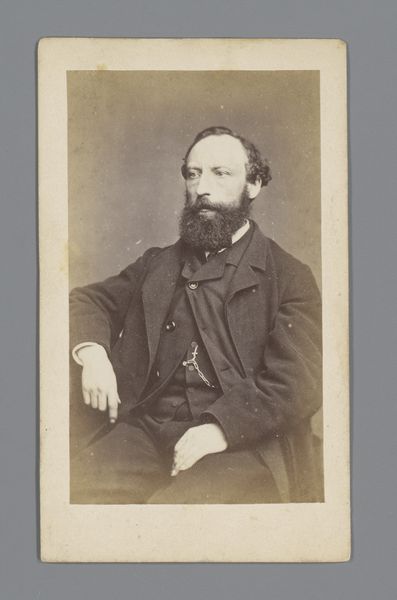
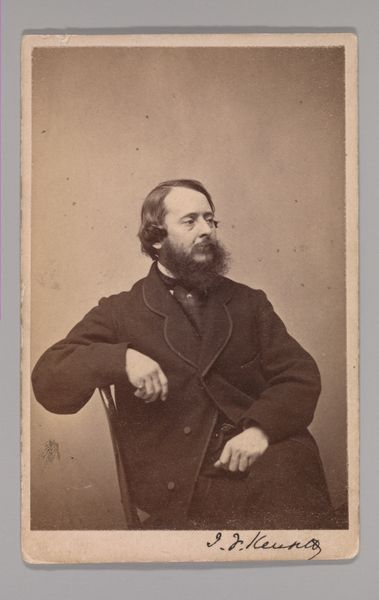
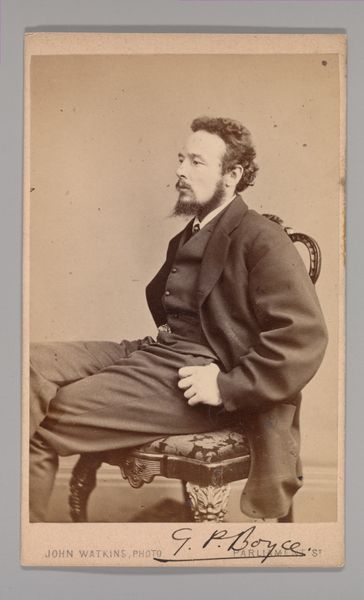
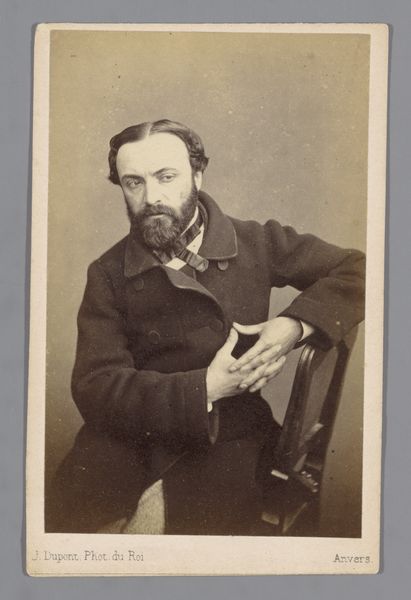
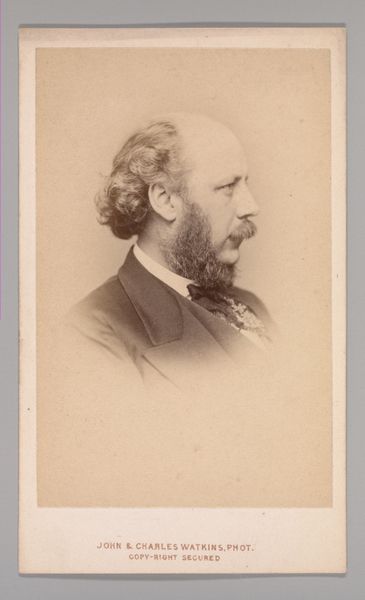
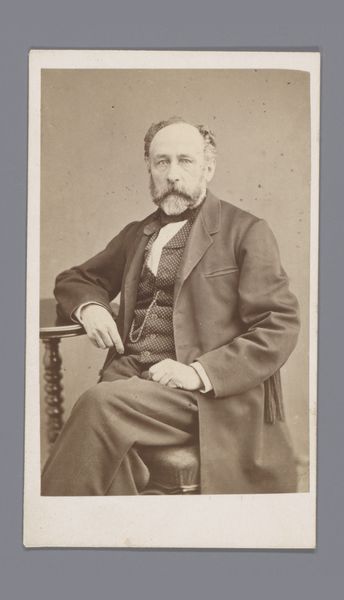
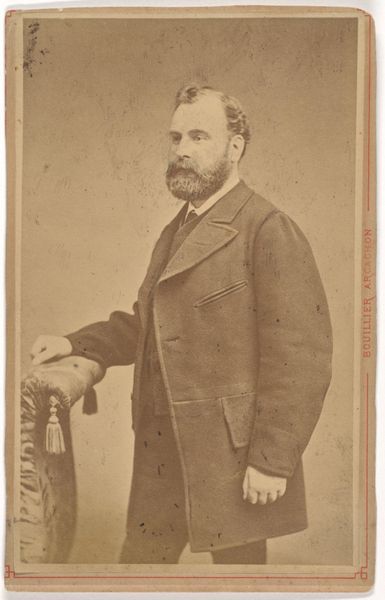
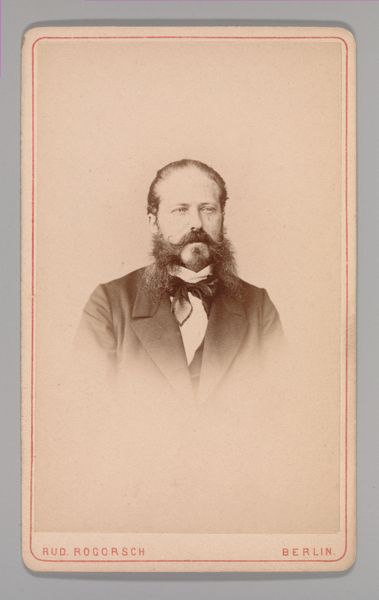
This photographic print of Alfred Downing Fripp was created by John and Charles Watkins. Made using the albumen print process, thin paper was coated with egg white and silver nitrate, then exposed to light through a negative. In the mid-19th century, photography was becoming increasingly popular, part of a broader shift towards mass production and consumption. Unlike painting or sculpture, photography offered a seemingly objective representation of reality, and this made it a powerful tool for documentation and social commentary. Consider the labor involved in creating this image: from preparing the chemicals to posing the sitter, photography relied on both skilled labor and the cooperation of the subject. The rise of photography also democratized portraiture, making it accessible to a wider range of people. Photography’s unique material properties and modes of production tie it to wider social issues of labor, politics, and consumption. The photograph challenges traditional distinctions between fine art and craft, emphasizing the importance of materials, making, and context in understanding its full meaning.
[Alfred Downing Fripp]
1860s

John and Charles Watkins
1840 - 1875
The Metropolitan Museum of Art
Metropolitan Museum of Art, New York, NYArtwork details
- Medium
- photography, albumen-print
- Dimensions
- Approx. 10.2 x 6.3 cm (4 x 2 1/2 in.)
- Location
- Metropolitan Museum of Art, New York, NY
- Copyright
- Public Domain
Tags
Comments
Share your thoughts
About this artwork
This photographic print of Alfred Downing Fripp was created by John and Charles Watkins. Made using the albumen print process, thin paper was coated with egg white and silver nitrate, then exposed to light through a negative. In the mid-19th century, photography was becoming increasingly popular, part of a broader shift towards mass production and consumption. Unlike painting or sculpture, photography offered a seemingly objective representation of reality, and this made it a powerful tool for documentation and social commentary. Consider the labor involved in creating this image: from preparing the chemicals to posing the sitter, photography relied on both skilled labor and the cooperation of the subject. The rise of photography also democratized portraiture, making it accessible to a wider range of people. Photography’s unique material properties and modes of production tie it to wider social issues of labor, politics, and consumption. The photograph challenges traditional distinctions between fine art and craft, emphasizing the importance of materials, making, and context in understanding its full meaning.
Comments
Share your thoughts