About this artwork
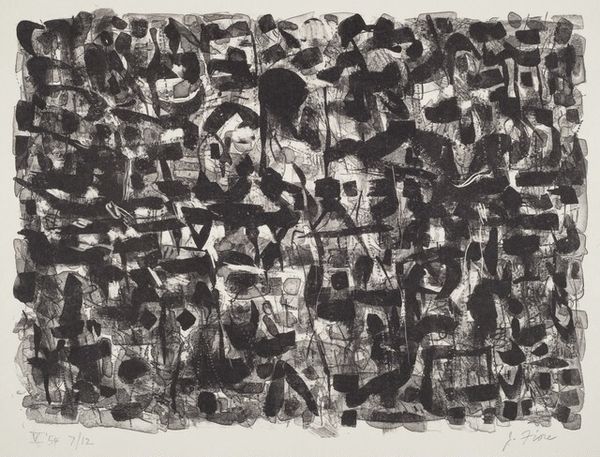
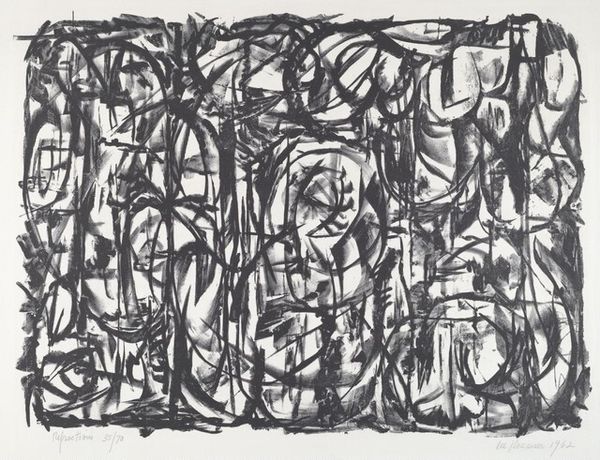
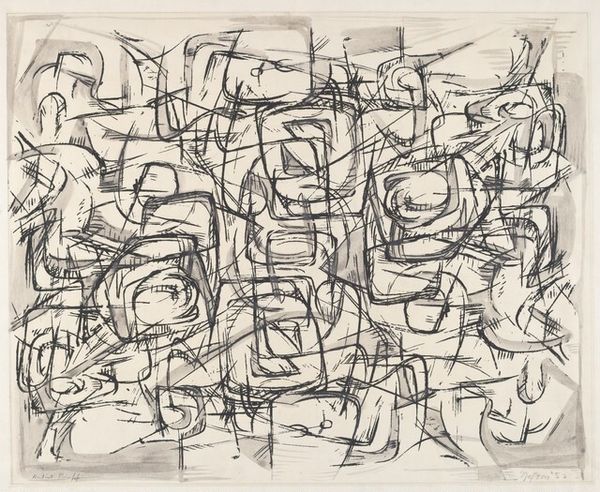
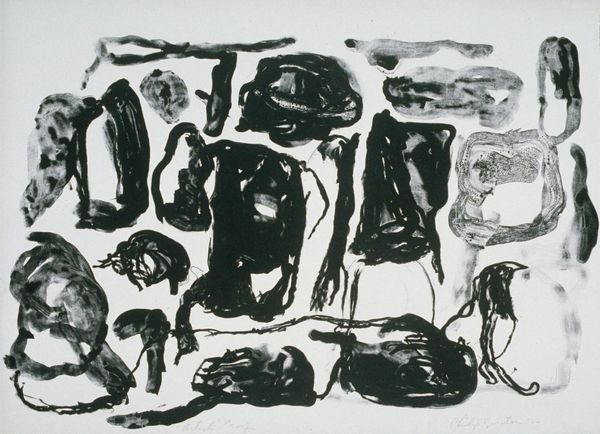
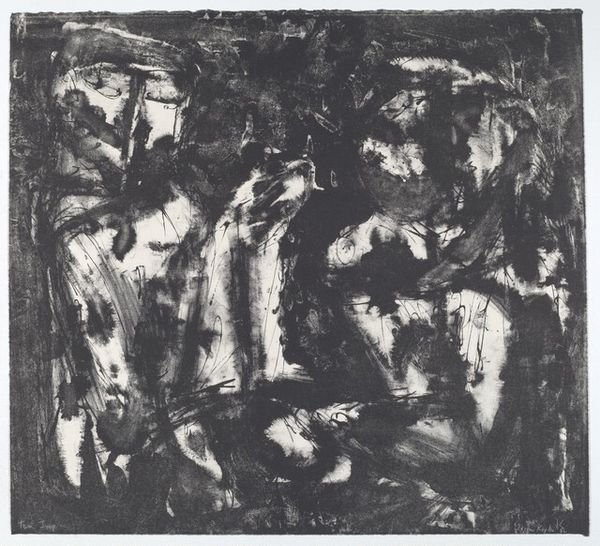
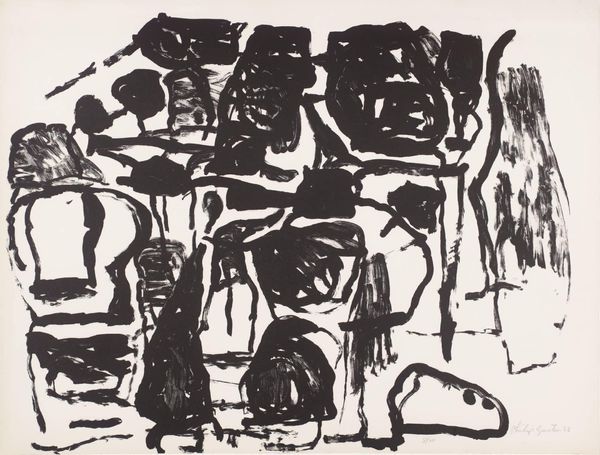
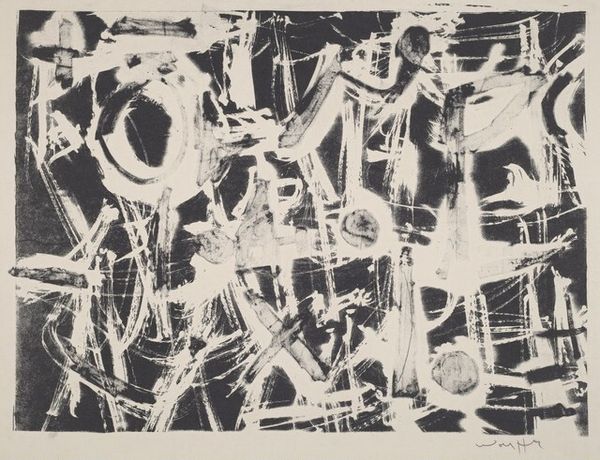
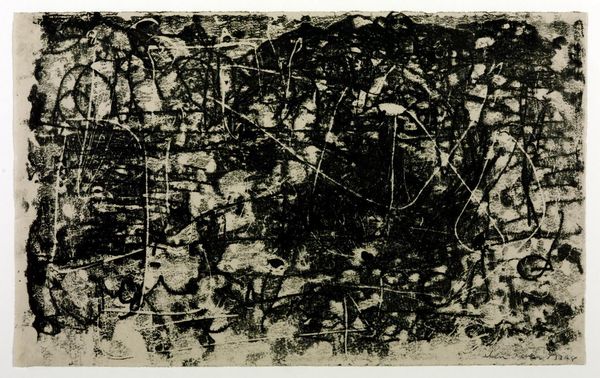
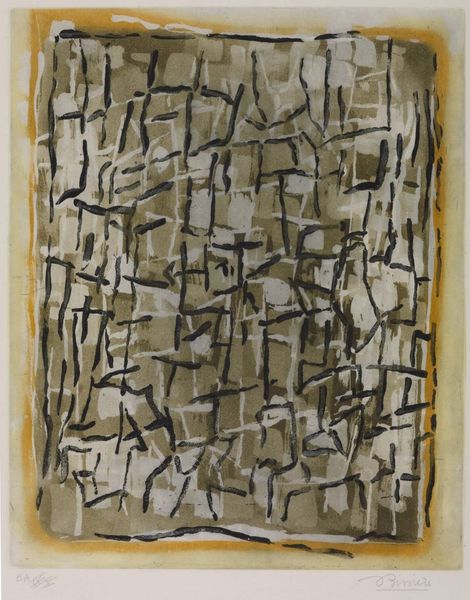
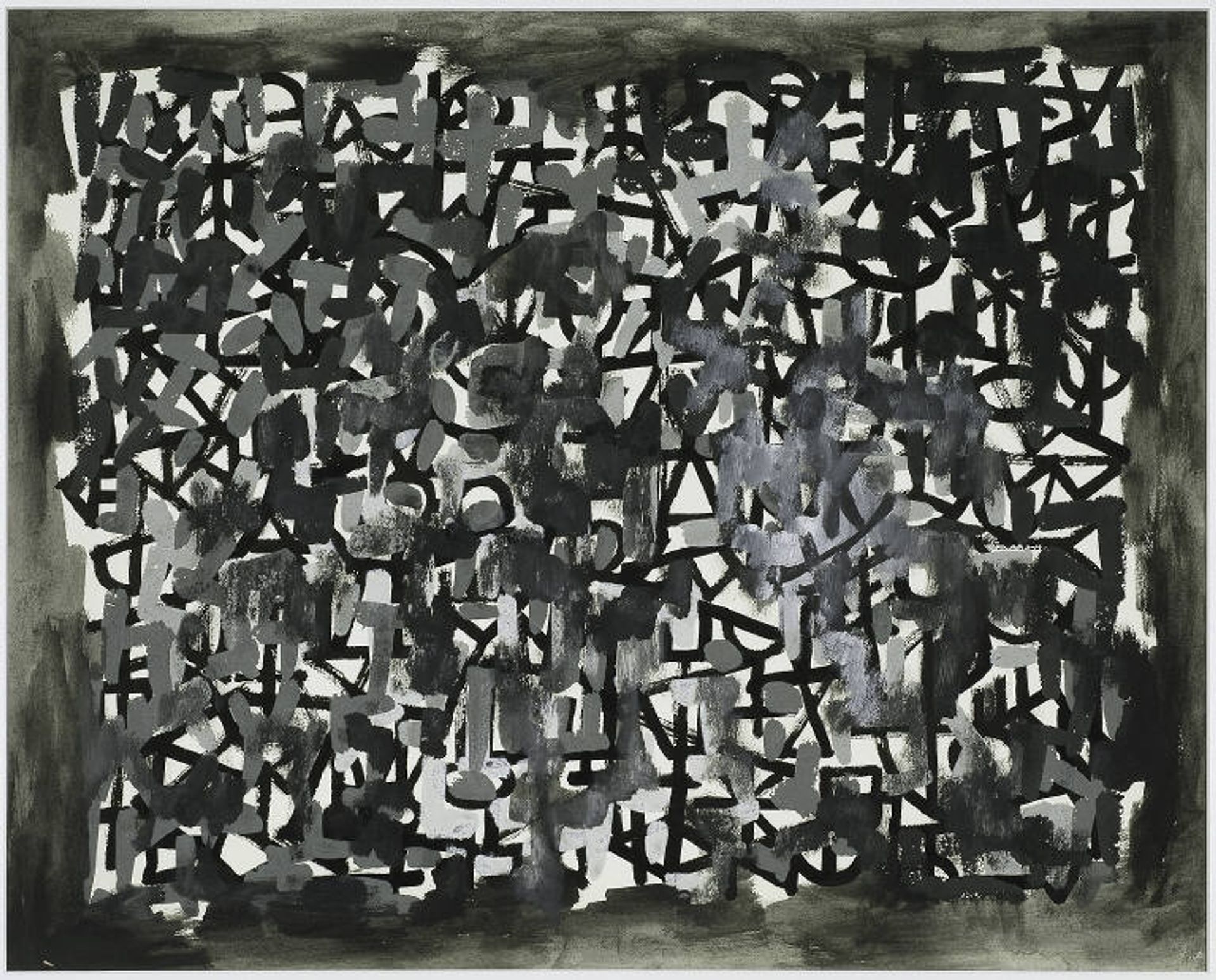
This untitled piece of work was made by Ad Reinhardt, using ink on paper. Reinhardt, who was active during a time of significant social and political change, challenges us to look beyond the surface and consider the deeper implications of what we see. The monochromatic palette and dense composition create an almost overwhelming visual experience. Here, Reinhardt seems to question not just the nature of painting but also the very act of seeing in a world saturated with images. It is an invitation to slow down, to contemplate, and to find meaning in the nuances of perception. "The more empty, abstract, and useless my painting becomes, the more people can project themselves onto it" said Reinhardt. What you take away from this painting might not be the same as what the next person does, and that’s precisely the point. It reflects the emotional and personal dimensions of our own unique understanding of art.
Untitled

Ad Reinhardt
1913 - 1967
Whitney Museum of American Art
Whitney Museum of American Art, New York City, NY, USArtwork details
- Medium
- painting, acrylic-paint, gestural-painting
- Dimensions
- 40.64 x 50.8 cm
- Location
- Whitney Museum of American Art, New York City, NY, US
- Copyright
- Ad Reinhardt,Fair Use
Tags
Comments
Share your thoughts
About this artwork
This untitled piece of work was made by Ad Reinhardt, using ink on paper. Reinhardt, who was active during a time of significant social and political change, challenges us to look beyond the surface and consider the deeper implications of what we see. The monochromatic palette and dense composition create an almost overwhelming visual experience. Here, Reinhardt seems to question not just the nature of painting but also the very act of seeing in a world saturated with images. It is an invitation to slow down, to contemplate, and to find meaning in the nuances of perception. "The more empty, abstract, and useless my painting becomes, the more people can project themselves onto it" said Reinhardt. What you take away from this painting might not be the same as what the next person does, and that’s precisely the point. It reflects the emotional and personal dimensions of our own unique understanding of art.
Comments
Share your thoughts