About this artwork
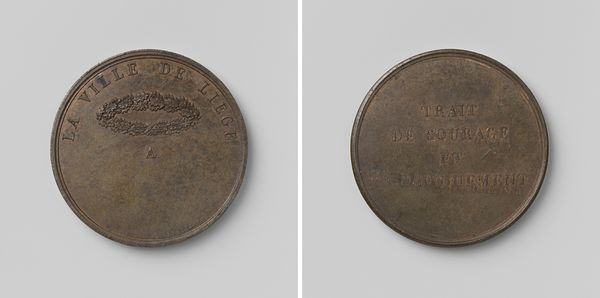
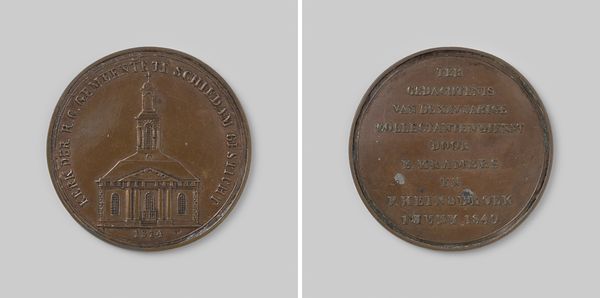
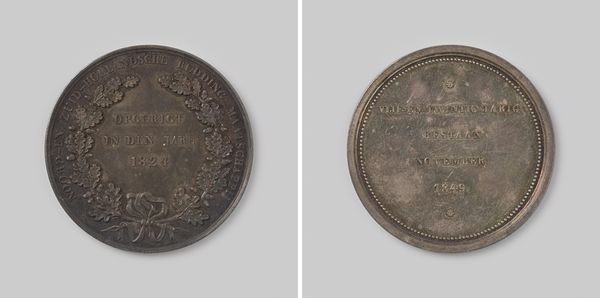
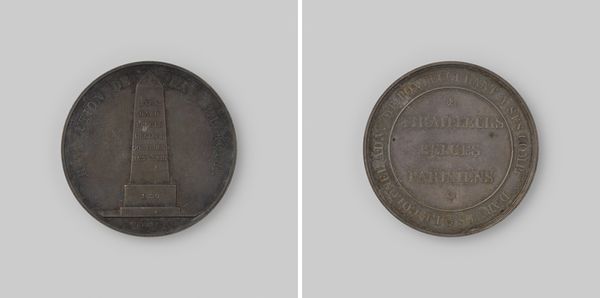
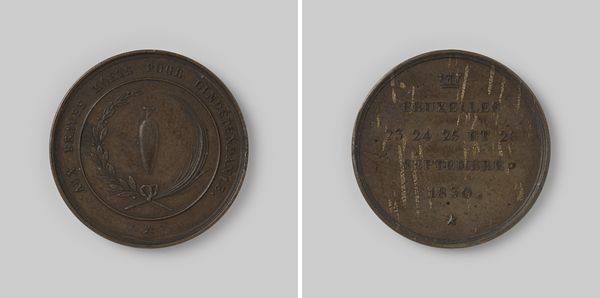
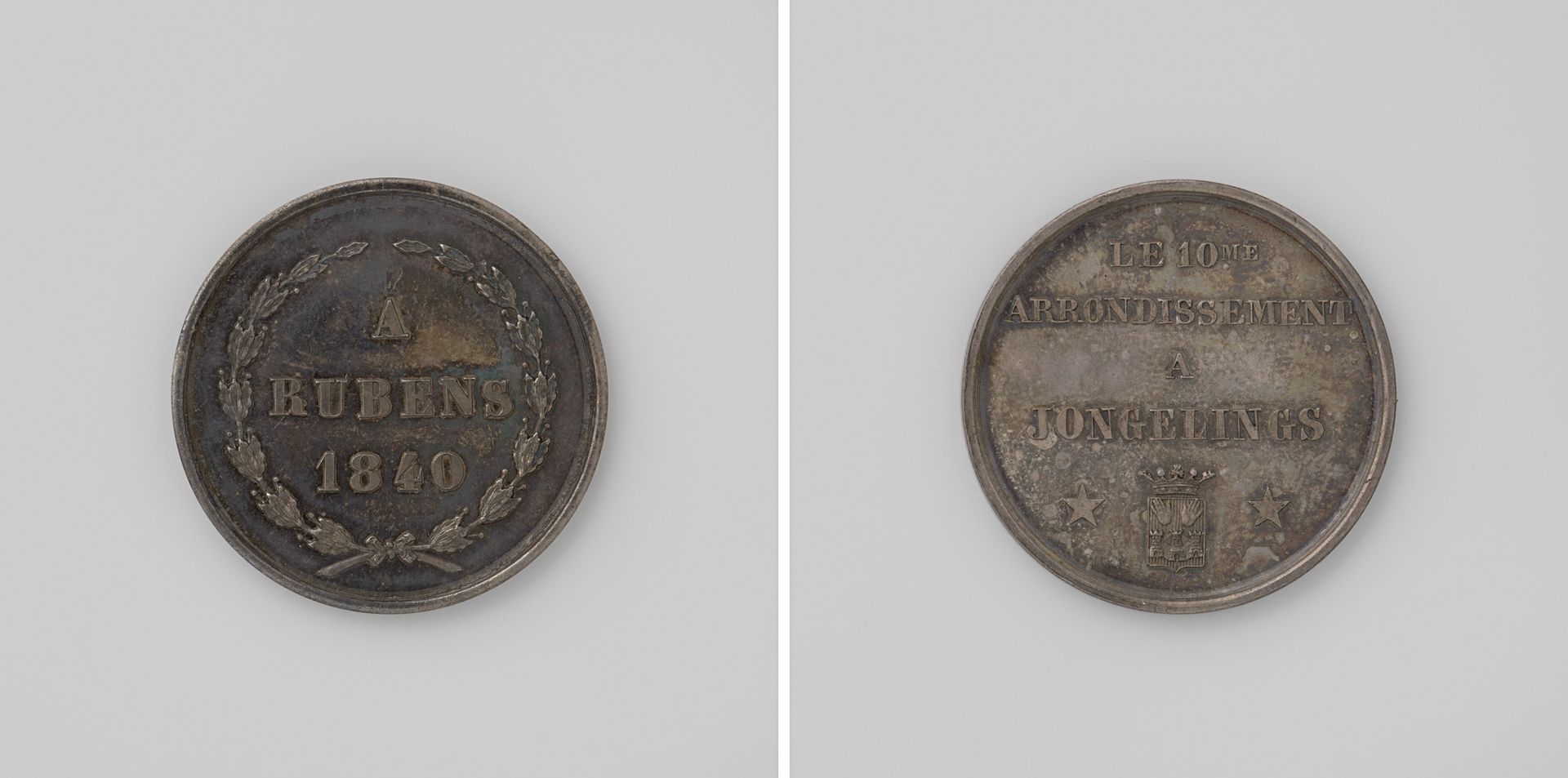
This is a medal created in 1840 by an anonymous artist from the mint of Rubens' time to celebrate the erection of a statue of the painter Peter Paul Rubens in Antwerp. This commemorative medal encapsulates the cultural phenomenon of artistic canonization. Monument building and the minting of commemorative medals was a trend in 19th century Europe, reflecting a desire to define and celebrate national identity through its artistic heroes. The medal itself features the name "Rubens" encircled by a laurel wreath, an emblem traditionally associated with triumph and honor since classical antiquity. It’s important to examine the social conditions that shape artistic production. We can ask: what does it mean for a society to memorialize an artist in this way? Is it a genuine expression of cultural appreciation or a strategic construction of national identity? These questions can be explored through period newspapers, municipal archives, and studies of 19th-century artistic and political institutions. Such resources help us better understand the social life of art.
Oprichting van een standbeeld voor de schilder Pieter Paul Rubens te Antwerpen, penning geslagen door het muntatelier uit de tijd van Rubens, dat op een van de praalwagens van de optocht was ingericht
1840 - 1848

Anonymous
@anonymousLocation
RijksmuseumArtwork details
- Medium
- print, metal, sculpture
- Dimensions
- diameter 2.9 cm, weight 7.94 gr
- Location
- Rijksmuseum
- Copyright
- Rijks Museum: Open Domain
Tags
Comments
Share your thoughts
About this artwork
This is a medal created in 1840 by an anonymous artist from the mint of Rubens' time to celebrate the erection of a statue of the painter Peter Paul Rubens in Antwerp. This commemorative medal encapsulates the cultural phenomenon of artistic canonization. Monument building and the minting of commemorative medals was a trend in 19th century Europe, reflecting a desire to define and celebrate national identity through its artistic heroes. The medal itself features the name "Rubens" encircled by a laurel wreath, an emblem traditionally associated with triumph and honor since classical antiquity. It’s important to examine the social conditions that shape artistic production. We can ask: what does it mean for a society to memorialize an artist in this way? Is it a genuine expression of cultural appreciation or a strategic construction of national identity? These questions can be explored through period newspapers, municipal archives, and studies of 19th-century artistic and political institutions. Such resources help us better understand the social life of art.
Comments
Share your thoughts