About this artwork
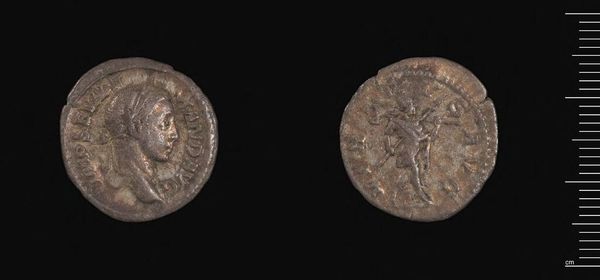
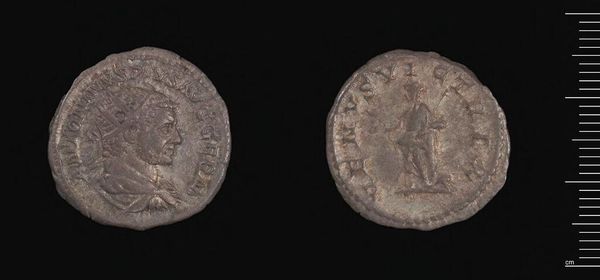
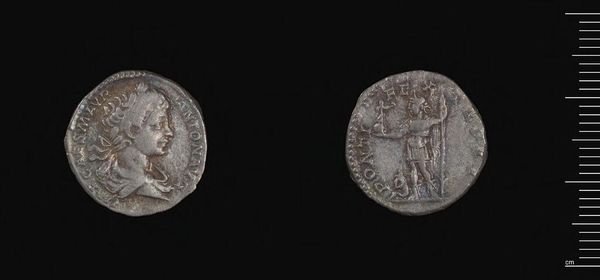
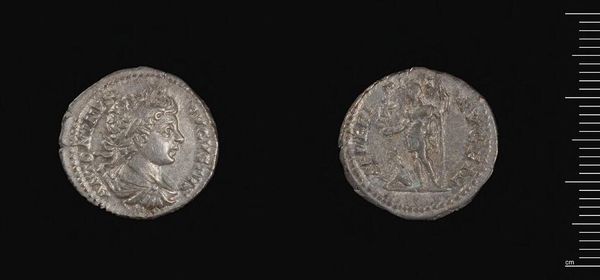
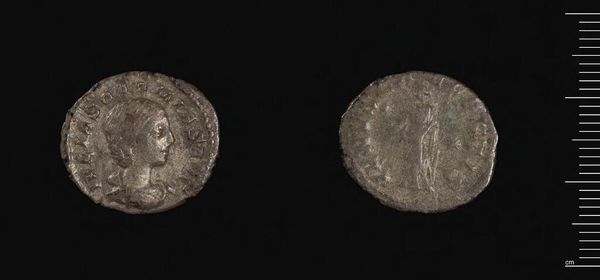
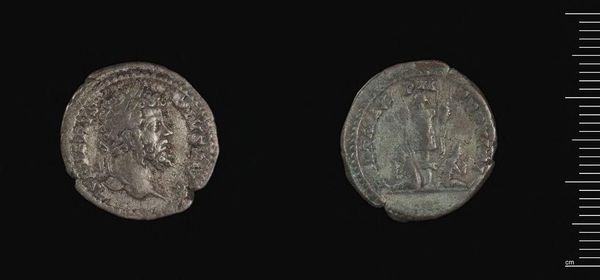
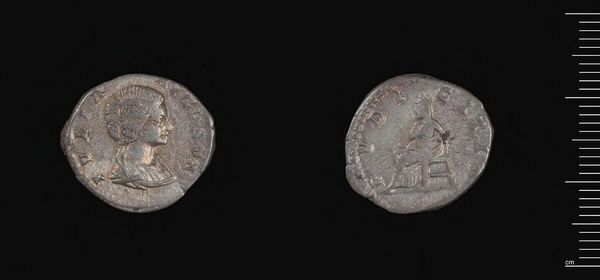
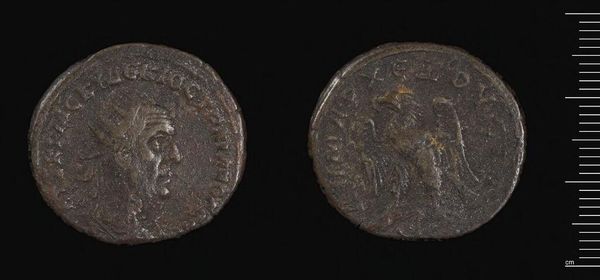
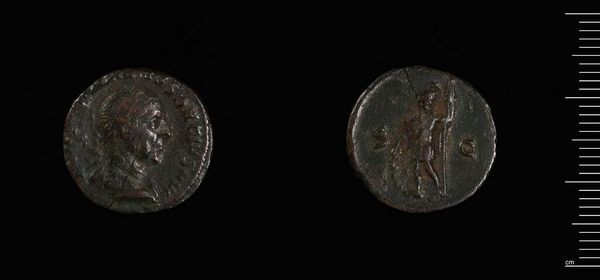
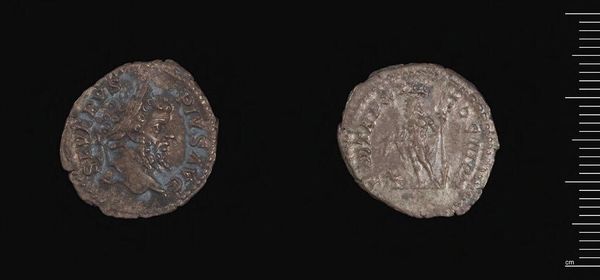
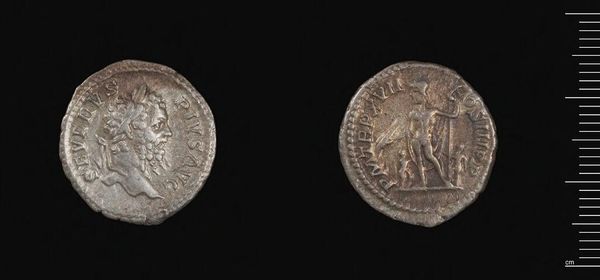
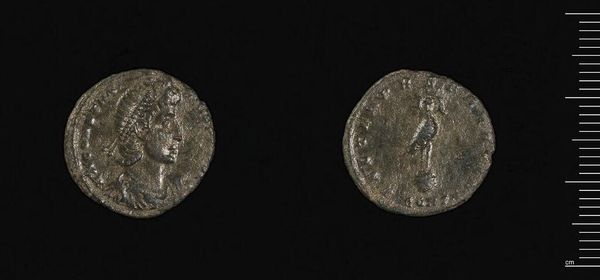
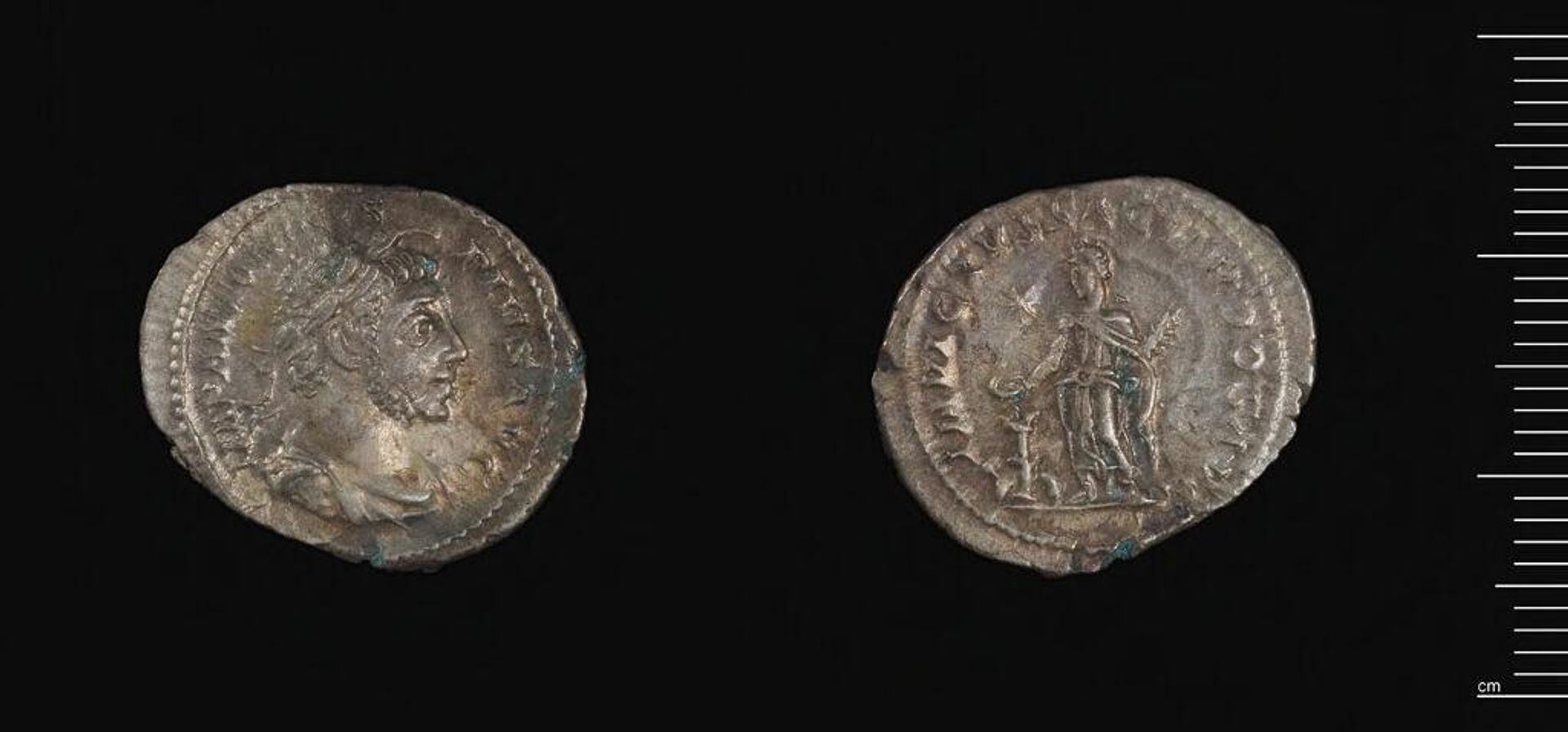
Curator: Here we have a Denarius of Elagabalus, part of the Harvard Art Museums collection, a coin showcasing a portrait of the controversial Roman emperor. Editor: It looks so small and worn, yet brimming with power. Silver, I imagine? The images are striking, even in this state of decay. Curator: Indeed. Elagabalus's reign was marked by religious reform and social upheaval. The coin presents his image, but also points to his attempt to impose the cult of Sol Invictus, represented by the deity on the reverse. Editor: So, these aren't just portraits; they're ideological statements, carefully chosen symbols crafted to legitimize power and project a certain persona. The sun god, then, becomes a visual tool. Curator: Precisely. And the numismatic evidence offers vital insight into the strategies Elagabalus employed to shape public perception. It failed, of course, and he faced severe backlash for his radical religious policies. Editor: It's fascinating how such a tiny object can hold so much historical weight, revealing the intersection of power, religion, and identity in ancient Rome. Curator: Absolutely. It's a potent reminder that material culture can provide invaluable perspectives on marginalized or misrepresented figures throughout history.
Denarius of Elagabalus
c. 220 - 222

Artwork details
- Dimensions
- 3.16 g
- Location
- Harvard Art Museums
- Copyright
- CC0 1.0
Comments
Share your thoughts
About this artwork
Curator: Here we have a Denarius of Elagabalus, part of the Harvard Art Museums collection, a coin showcasing a portrait of the controversial Roman emperor. Editor: It looks so small and worn, yet brimming with power. Silver, I imagine? The images are striking, even in this state of decay. Curator: Indeed. Elagabalus's reign was marked by religious reform and social upheaval. The coin presents his image, but also points to his attempt to impose the cult of Sol Invictus, represented by the deity on the reverse. Editor: So, these aren't just portraits; they're ideological statements, carefully chosen symbols crafted to legitimize power and project a certain persona. The sun god, then, becomes a visual tool. Curator: Precisely. And the numismatic evidence offers vital insight into the strategies Elagabalus employed to shape public perception. It failed, of course, and he faced severe backlash for his radical religious policies. Editor: It's fascinating how such a tiny object can hold so much historical weight, revealing the intersection of power, religion, and identity in ancient Rome. Curator: Absolutely. It's a potent reminder that material culture can provide invaluable perspectives on marginalized or misrepresented figures throughout history.
Comments
Share your thoughts