About this artwork
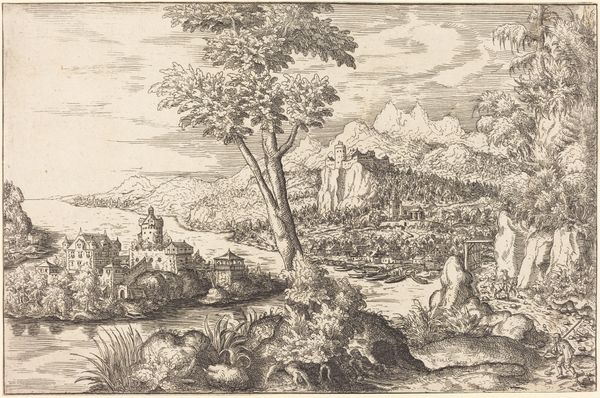
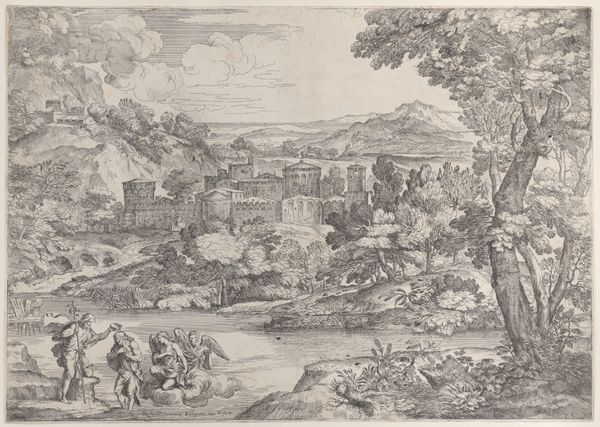
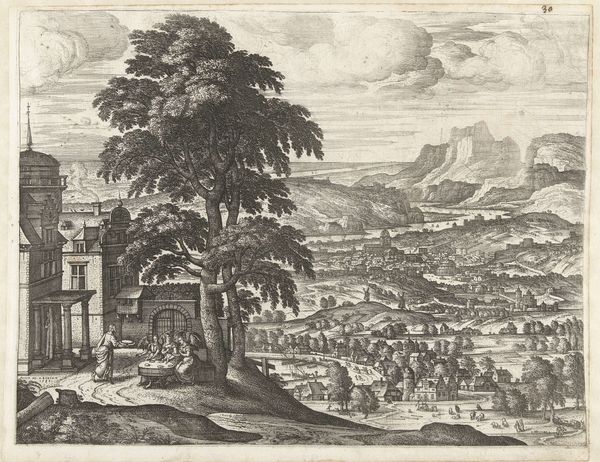
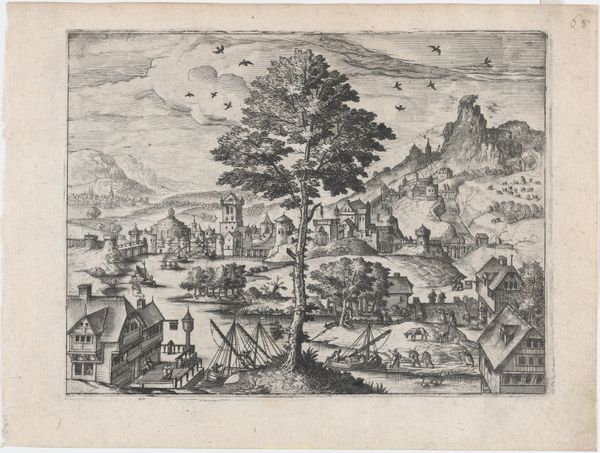
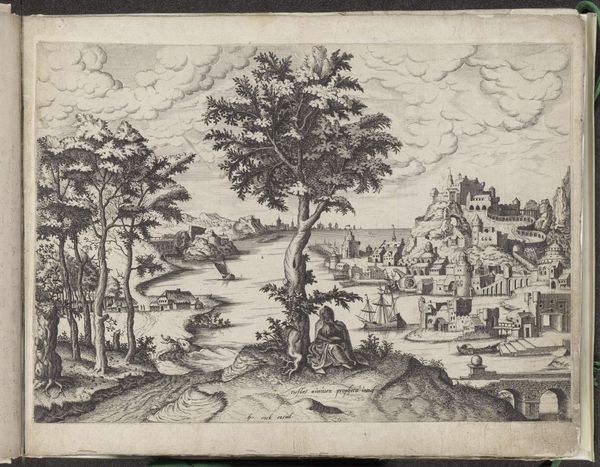
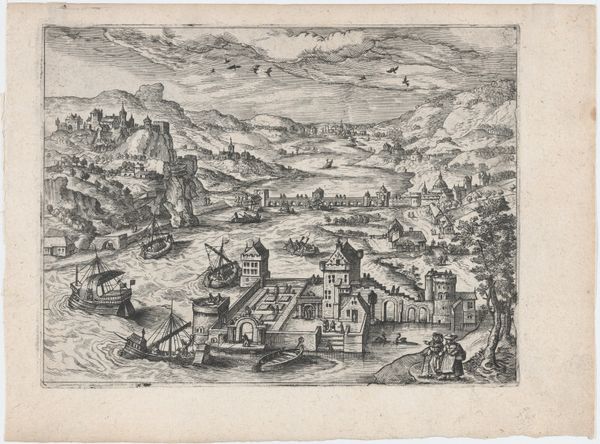
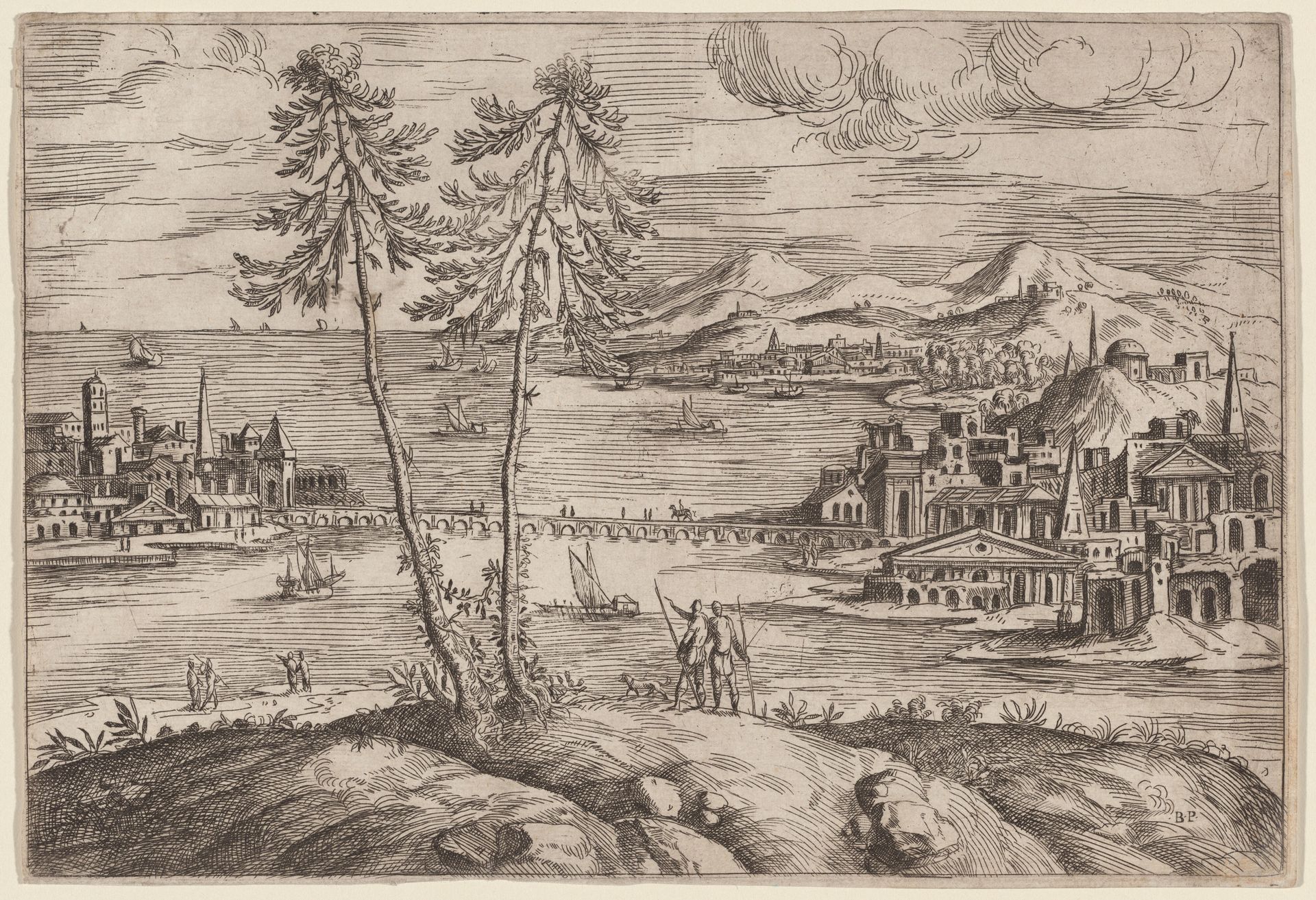
Giovanni Battista Pittoni created this print, Landscape with Two Trees, sometime in the 18th century. The scene is set in Venice, a city that, by Pittoni’s time, was well established as a popular destination for the Grand Tour. Venice was seen as a place where one might indulge in earthly pleasures. What I find so compelling about this print is how Pittoni collapses the natural and the man-made. The two towering trees offer a stark contrast to the city they frame, emphasizing the power of nature. Yet the details of daily life—the figures, the boats, the buildings—capture Venice’s vibrant, thriving society. Pittoni invites us to reflect on our relationship with the environment and the complex layers of history and culture. It encourages a dialogue between nature and humanity and reflects the cultural context of 18th-century Venice, offering a personal, emotional connection to this unique and historically significant city.
Landscape with Two Trees
c. 1558


Artwork details
- Medium
- print, etching
- Dimensions
- plate: 21.5 × 31.4 cm (8 7/16 × 12 3/8 in.) sheet: 21.7 × 31.7 cm (8 9/16 × 12 1/2 in.)
- Copyright
- National Gallery of Art: CC0 1.0
Tags
ink drawing
pen drawing
etching
landscape
11_renaissance
italian-renaissance
Comments
Be the first to share your thoughts about this work.
About this artwork
Giovanni Battista Pittoni created this print, Landscape with Two Trees, sometime in the 18th century. The scene is set in Venice, a city that, by Pittoni’s time, was well established as a popular destination for the Grand Tour. Venice was seen as a place where one might indulge in earthly pleasures. What I find so compelling about this print is how Pittoni collapses the natural and the man-made. The two towering trees offer a stark contrast to the city they frame, emphasizing the power of nature. Yet the details of daily life—the figures, the boats, the buildings—capture Venice’s vibrant, thriving society. Pittoni invites us to reflect on our relationship with the environment and the complex layers of history and culture. It encourages a dialogue between nature and humanity and reflects the cultural context of 18th-century Venice, offering a personal, emotional connection to this unique and historically significant city.
Comments
Be the first to share your thoughts about this work.