
Curatorial notes
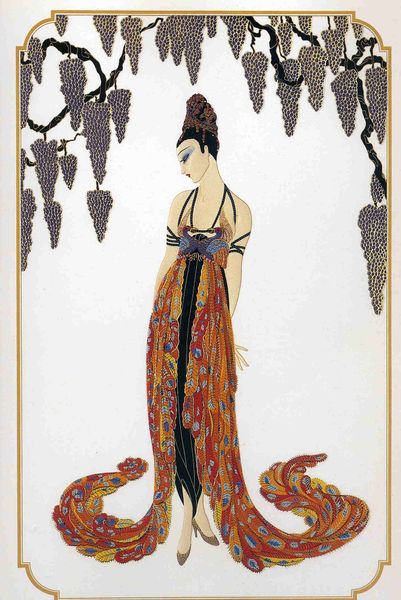
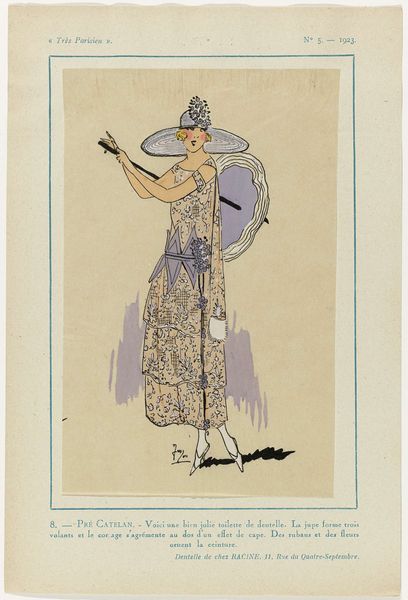
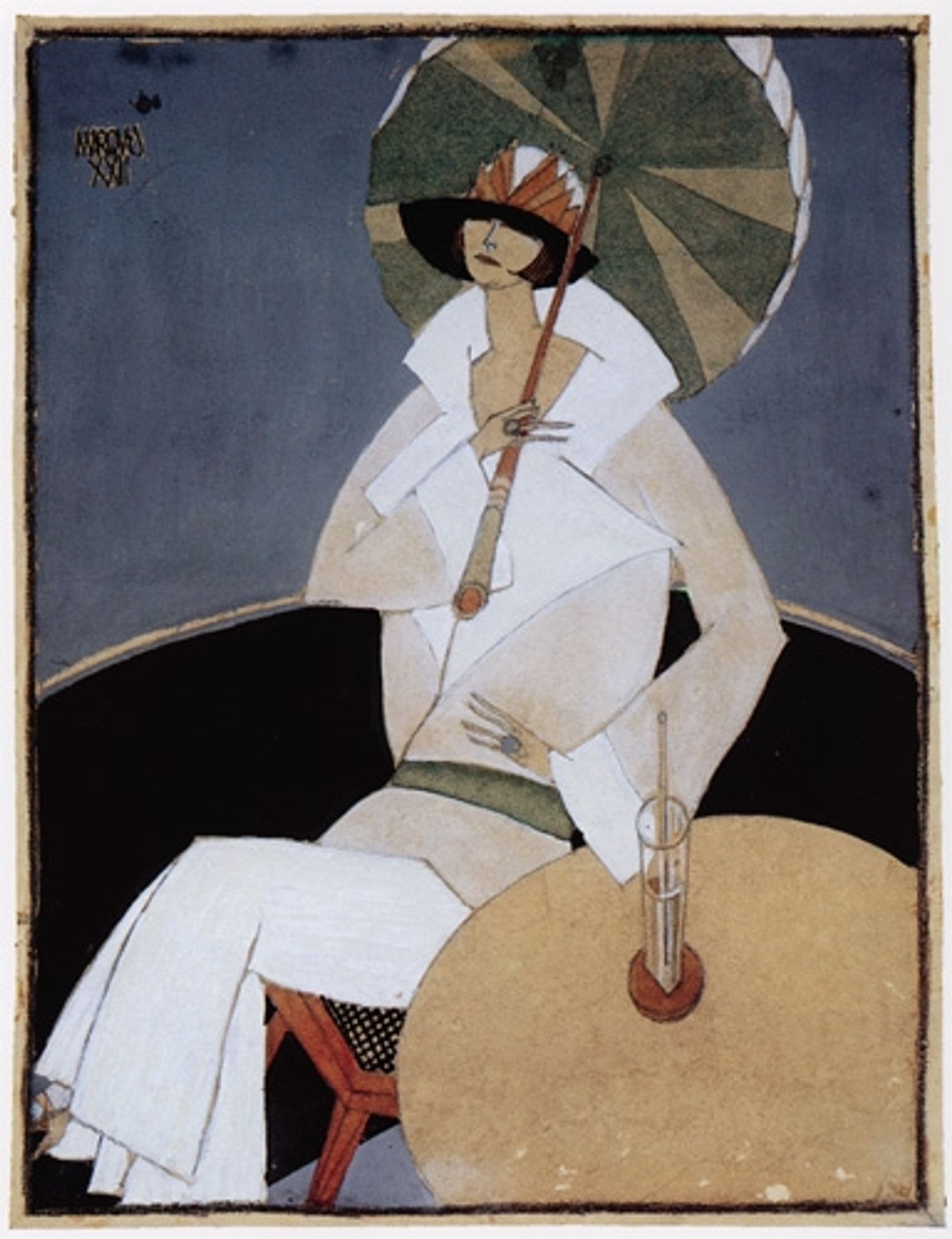
Editor: Here we have Bernardo Marques’s “Sem Título,” created in 1922. It seems to be a painting, likely oil, and it just breathes Art Deco. The woman depicted has such an air of detachment. What do you see in this piece? Curator: I see a portrait deeply entrenched in the social and political currents of the 1920s. This image speaks to the rise of the "New Woman" – independent, stylish, and challenging traditional gender roles. The subject's attire, the angle of her pose, and even the title - or lack thereof – invites a layered interpretation through a feminist lens. Does the lack of title remove the possibility of the subject's identification, and what does this act suggest about that time's changing role of women and visibility of a more homogenous society? Editor: That's fascinating! The Art Deco style really emphasizes that modernism, I think. It feels deliberately sleek and perhaps even impersonal, you know? Curator: Exactly. Consider how Art Deco was often embraced by commercial culture, fashion, and advertising, reflecting a rapidly changing consumer society. This woman with the sleek outfit and the umbrella— what is it hiding? What is its significance and purpose, especially within a society on the cusp of such dynamic evolution? Editor: So you're saying that Marques might be using the visual language of consumerism to explore female identity during this period? Curator: Precisely! She almost feels like an advertisement herself. Also, the glass sitting at the table appears to mock the subject - the empty nature, which gives the viewer a hint of possible internal turmoil and existential loneliness. We should question how identity and societal expectation affect one another, right? Editor: Wow, I never considered how the commercial context influenced the portrayal of women in art this way. Thank you. Curator: It is only by acknowledging this portrait as part of a larger conversation on gender, societal progress and personal struggle that the message becomes clear and more vivid.