textile
#
still-life
#
fashion mockup
#
fashion merchandise
#
textile
#
clothing promotion photography
#
retro 'vintage design
#
teen youth wear
#
product design photgrpaphy
#
product mock up
#
clothing photo
#
design mock up
#
clothing design
Dimensions: height 21 cm, width 5.7 cm, diameter 21 cm, diameter 24.5 cm
Copyright: Rijks Museum: Open Domain
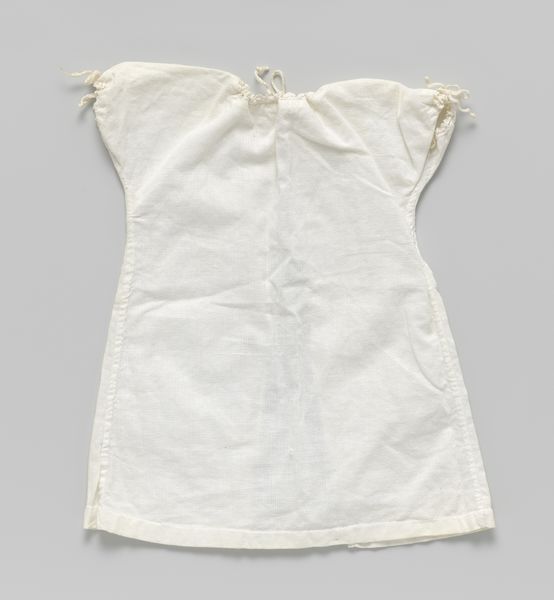
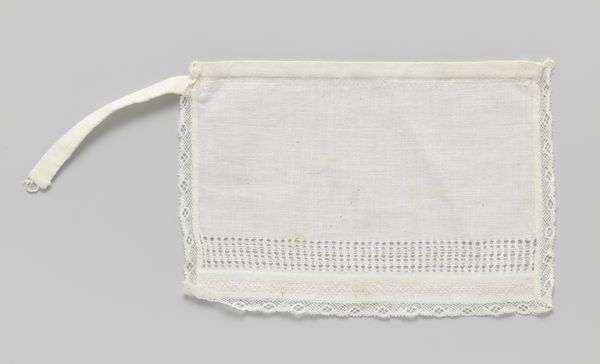
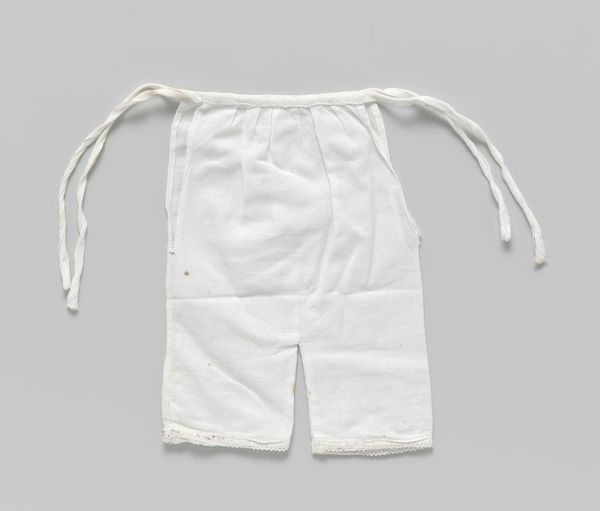
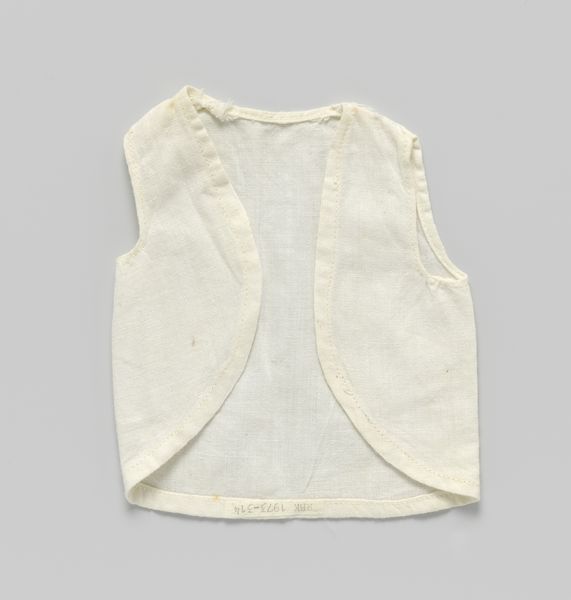
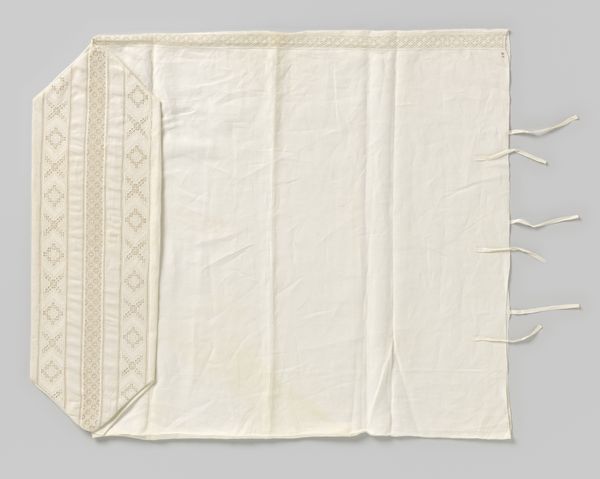
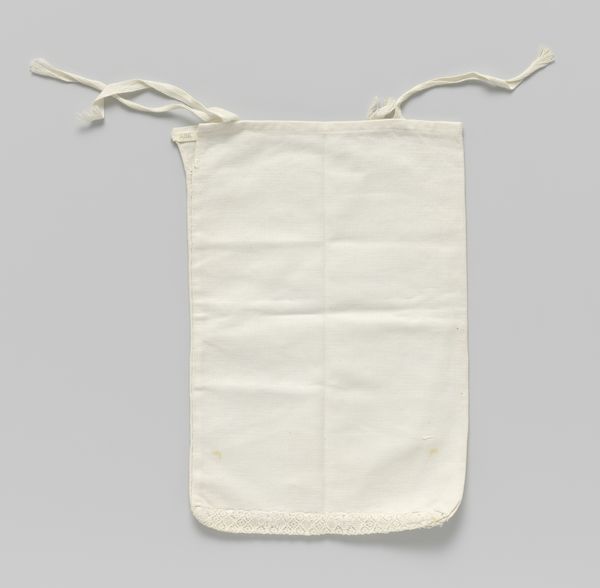
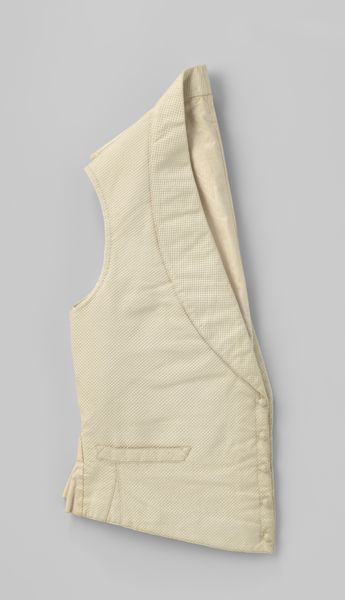
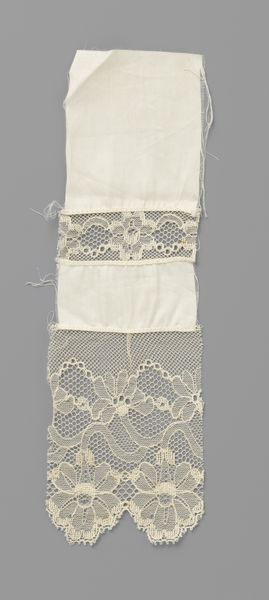
Editor: So, we’re looking at "Kindermuts van witte piqué," or "Children's bonnet of white piqué," from around 1900-1910, author unknown, crafted from textile. It's a really unassuming piece. It feels incredibly intimate and personal. It’s just…a bonnet. What story do you think it tells? Curator: Oh, it whispers volumes! See those gentle stains? They’re not imperfections; they're love marks, the faint echoes of a baby's world—milk, perhaps a bit of early culinary exploration. It evokes a time when things were mended and cherished, not discarded. I see patience stitched into those seams, the anticipation of a new life. Can you imagine the lullabies hummed near it, the soft skin it touched? It's more than just a bonnet; it's a silent guardian. Editor: That’s a beautiful way to put it, seeing the wear and tear as… intentional? I just saw dirt, initially. Curator: (chuckles)Ah, but dirt holds stories, doesn't it? It reminds us that beauty isn't always pristine. This bonnet whispers of resilience, of the everyday magic in a mother’s hands. Piqué isn't the softest of fabrics, perhaps indicating practicality over pure luxury. Who wore it? What were their lives like? It teases our imagination. Editor: It makes you wonder about all the bonnets, and clothes in general, tucked away in attics, full of unseen stories. I definitely look at it differently now – not just old fabric, but a time capsule. Curator: Exactly! It’s a reminder that the most profound art often lies in the simplest, most human moments. Don't you think?
Comments
No comments
Be the first to comment and join the conversation on the ultimate creative platform.
 Collect
 React
React Comment
More like this