1716 - 1761
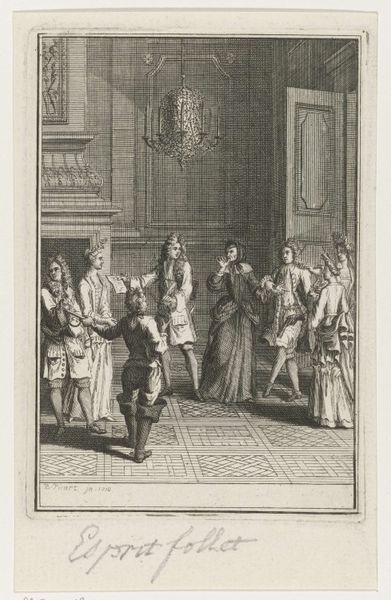
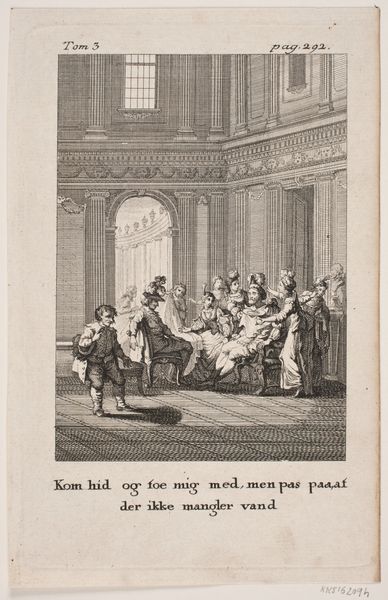
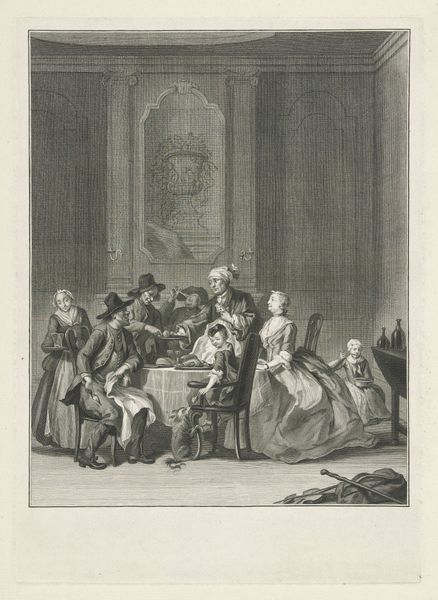
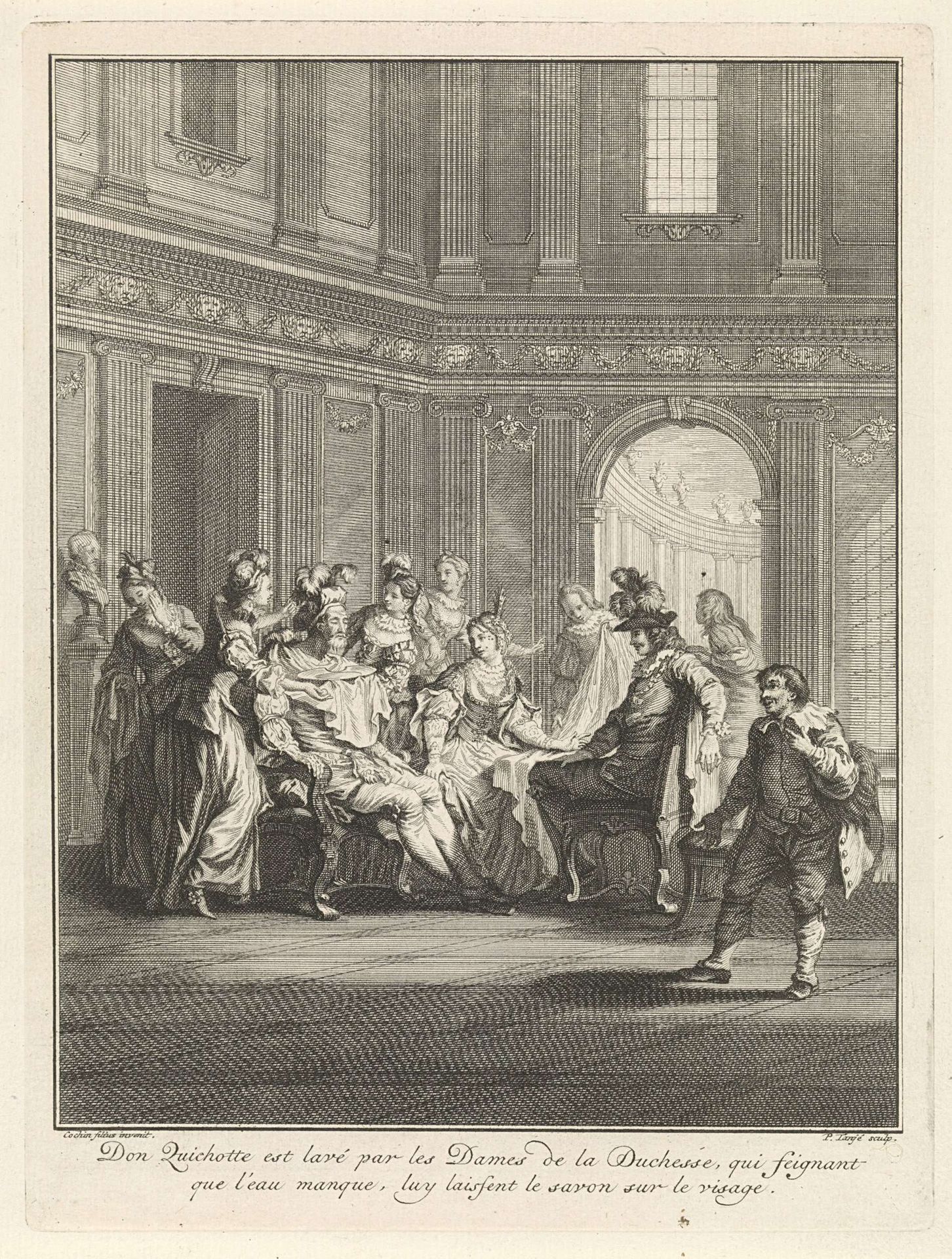
Don Quichot wordt gewassen door de hofdames van de hertogin

Pieter Tanjé
1706 - 1761Location
RijksmuseumListen to curator's interpretation
Curatorial notes
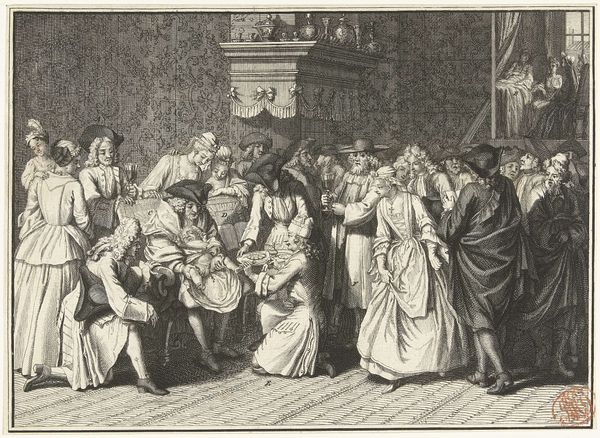
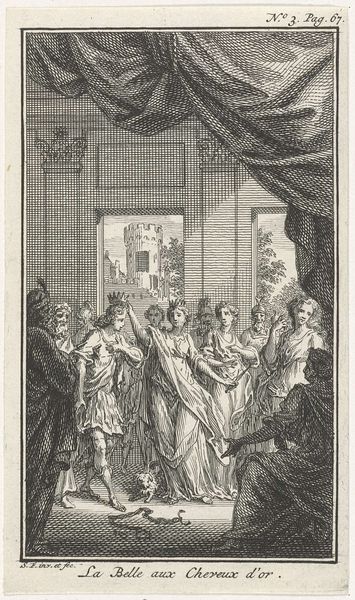
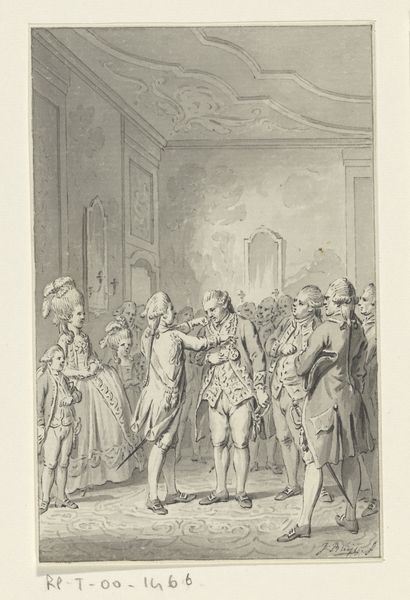
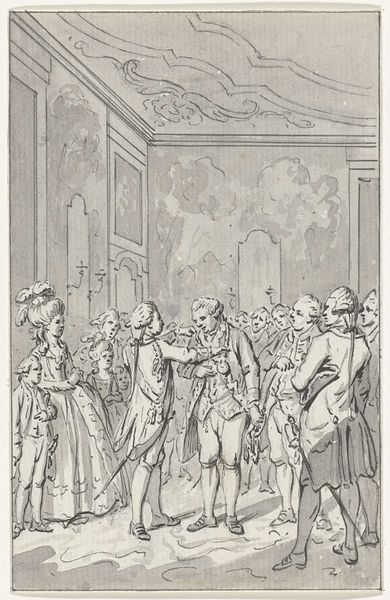
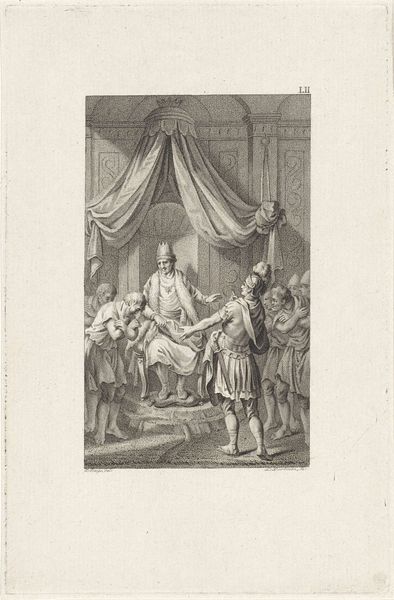
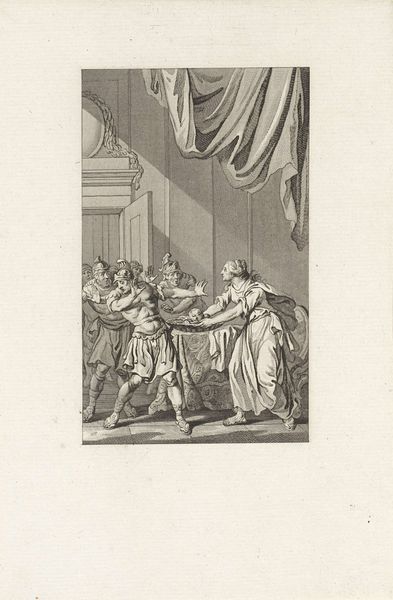
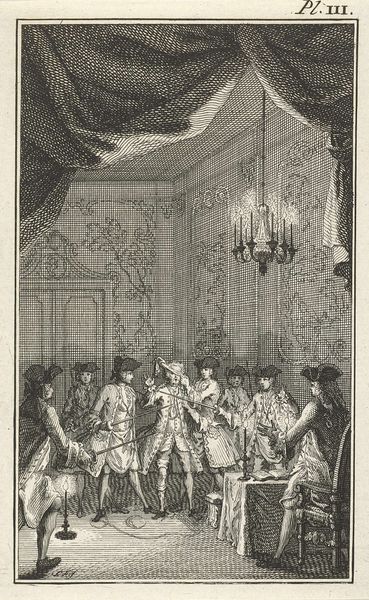
Pieter Tanjé made this engraving depicting Don Quixote in the 18th century, using a technique that was then at its peak. Engraving is an intaglio process, meaning the image is incised into a surface. Tanjé would have used a tool called a burin to carefully cut lines into a copper plate, which would then be inked and printed. Look closely, and you can see how the varying depth and density of these lines create the illusion of light, shadow, and texture. This painstaking process speaks to the cultural status of printmaking at the time. Engravings like this one were not just reproductions; they were highly valued objects in their own right, collected by connoisseurs and displayed as signs of taste and refinement. The labor-intensive nature of the craft also reflected a hierarchical social order, where skilled artisans like Tanjé catered to the desires of a wealthy elite, immortalizing literary scenes for their enjoyment. So, next time you see an engraving, remember that it's not just an image, but a testament to the intricate relationship between art, labor, and social class.