About this artwork
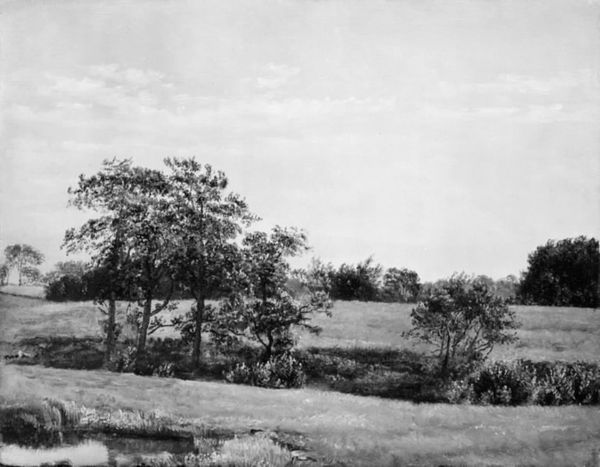
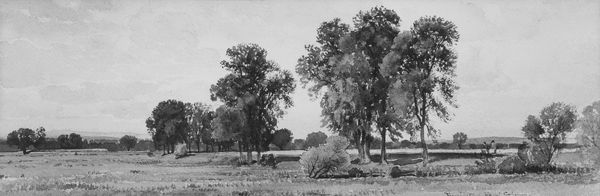
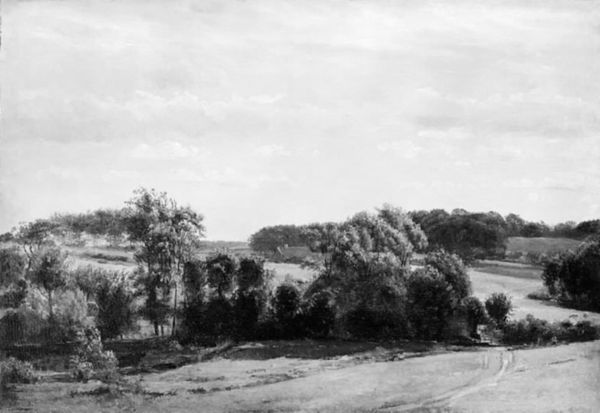
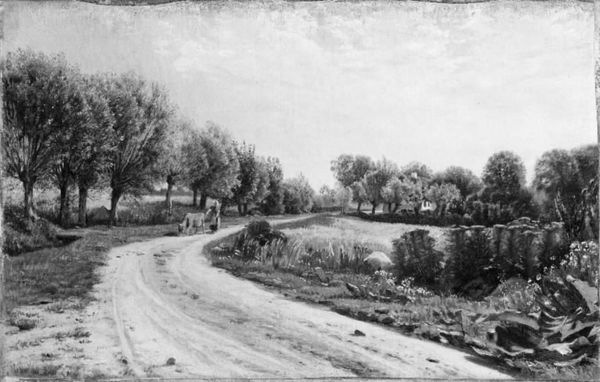
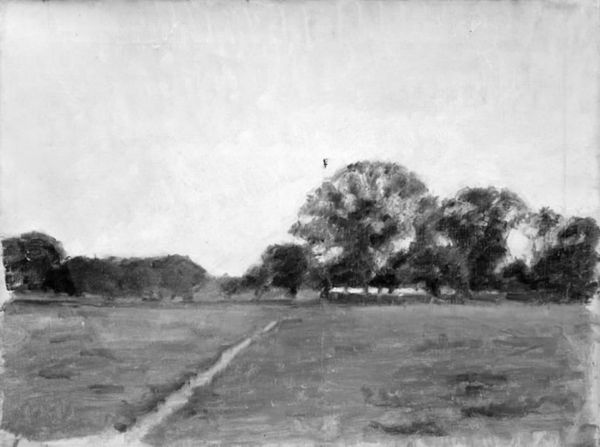
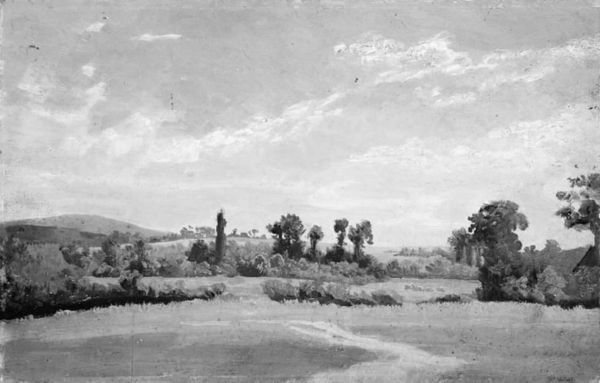
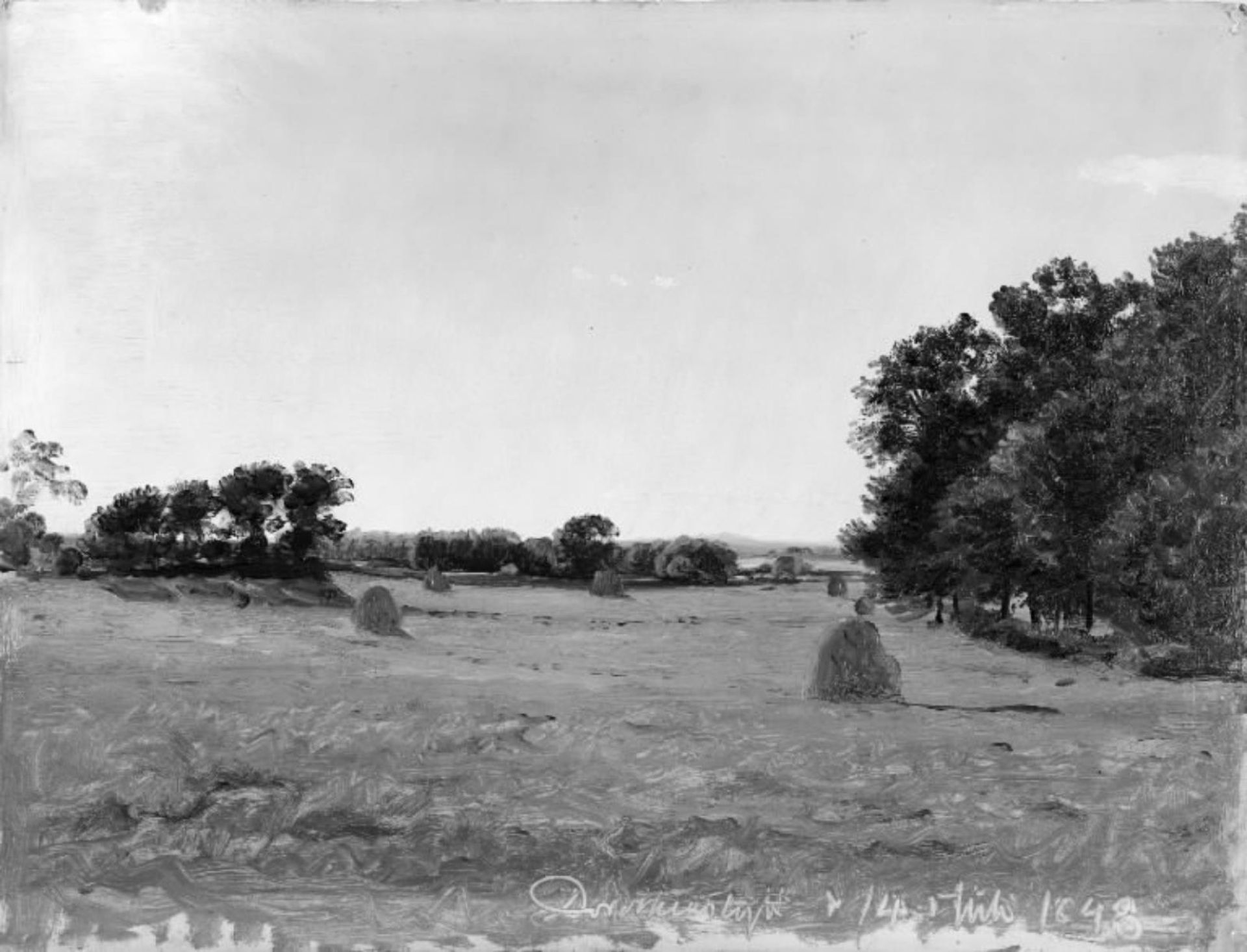
P.C. Skovgaard captured this landscape near Dortheaslyst with oil on canvas, inviting us into a pastoral scene marked by the recurring motif of the haystack. These aren't merely agricultural elements; they are symbols deeply rooted in our collective memory. Consider the haystack's presence throughout art history, echoing in various forms across cultures. From ancient harvest festivals to Van Gogh's golden fields, the gathering of crops represents both abundance and the cyclical nature of life and death. The humble haystack carries potent psychological weight, reminding us of our connection to the earth, to the rhythms of nature that shape our existence. In Skovgaard's tranquil depiction, the haystacks evoke a sense of nostalgia. These symbols continue to resurface, evolving in meaning yet retaining their primal power. They are not merely objects in a field, but conduits through which we access deeper layers of cultural memory and shared human experience.
Landscape near the Manor of Dortheaslyst
1848


Artwork details
- Medium
- painting, plein-air
- Dimensions
- 27 cm (height) x 35.5 cm (width) (Netto)
- Location
- SMK - Statens Museum for Kunst
Tags
Comments
Share your thoughts
About this artwork
P.C. Skovgaard captured this landscape near Dortheaslyst with oil on canvas, inviting us into a pastoral scene marked by the recurring motif of the haystack. These aren't merely agricultural elements; they are symbols deeply rooted in our collective memory. Consider the haystack's presence throughout art history, echoing in various forms across cultures. From ancient harvest festivals to Van Gogh's golden fields, the gathering of crops represents both abundance and the cyclical nature of life and death. The humble haystack carries potent psychological weight, reminding us of our connection to the earth, to the rhythms of nature that shape our existence. In Skovgaard's tranquil depiction, the haystacks evoke a sense of nostalgia. These symbols continue to resurface, evolving in meaning yet retaining their primal power. They are not merely objects in a field, but conduits through which we access deeper layers of cultural memory and shared human experience.
Comments
Share your thoughts