drawing, pencil
#
portrait
#
drawing
#
figuration
#
pencil
#
portrait drawing
#
academic-art
#
modernism
Dimensions: 14 1/16 x 11 3/16 in. (35.72 x 28.42 cm) (sheet)
Copyright: No Copyright - United States
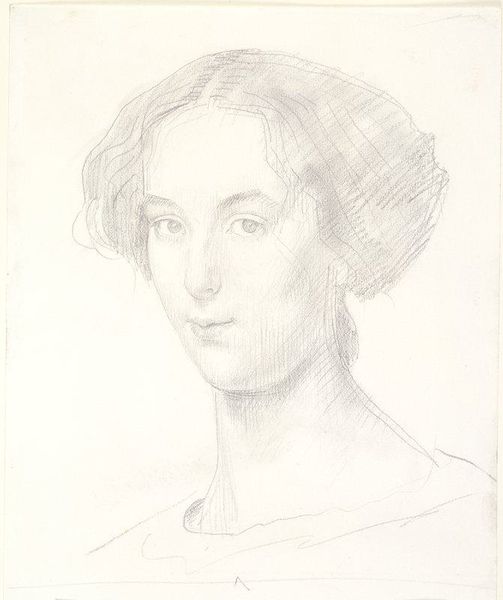
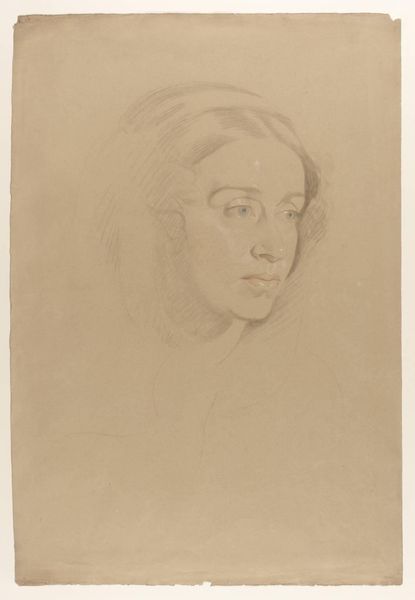
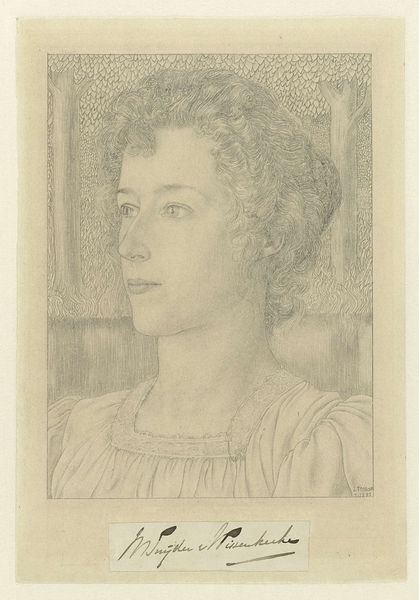
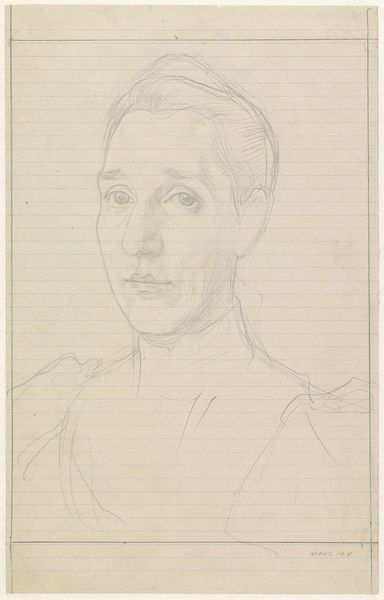
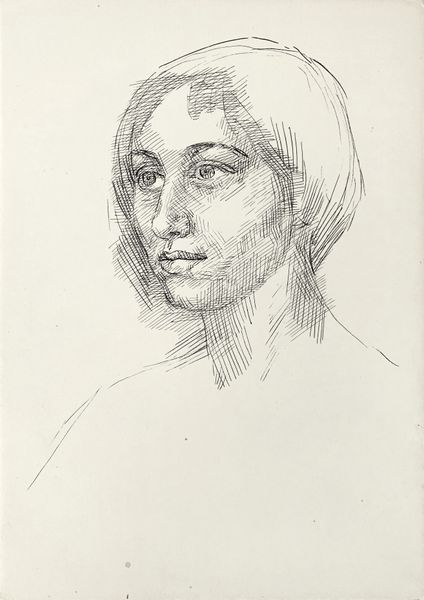
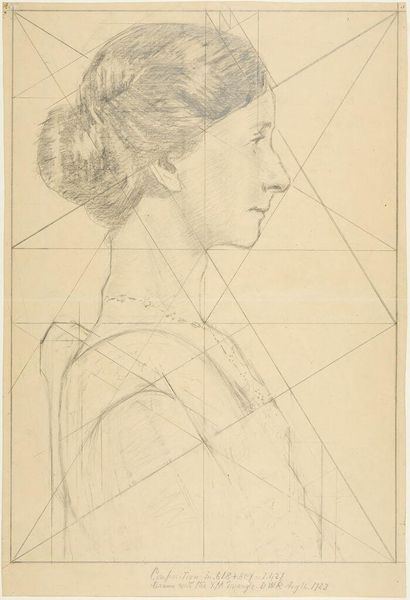
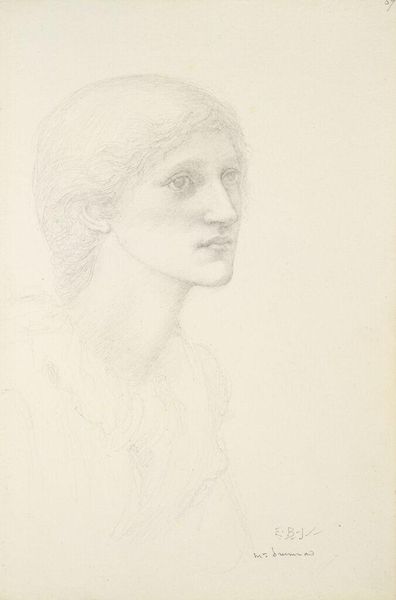
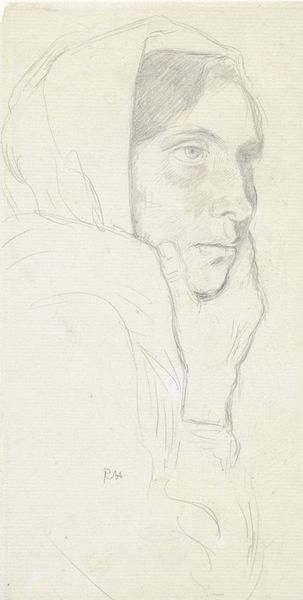
Francis Ernest Jackson made this portrait with a pencil on paper. Notice the subject’s gaze, a visual motif deeply embedded in art history. Her eyes, slightly averted, invite contemplation yet maintain a degree of detachment, a technique that recalls the enigmatic smiles in Renaissance portraits. This is not merely a likeness; it is an emotional and psychological landscape, a space for projection. Consider how this gaze echoes through time. Think of the Mona Lisa, whose eyes follow you, creating a personal connection. Over time, artists have used the gaze to convey a spectrum of emotions, from invitation to introspection. The averted gaze can subtly indicate an emotional complexity, a silent narrative. This reflects a powerful force that engages viewers on a deep, subconscious level. The cyclical progression of this motif resurfaces and evolves, taking on new meanings as a dialogue between artist, subject, and viewer continues across generations.
Comments
No comments
Be the first to comment and join the conversation on the ultimate creative platform.
 Collect
 React
React Comment
More like this