1732 - 1771
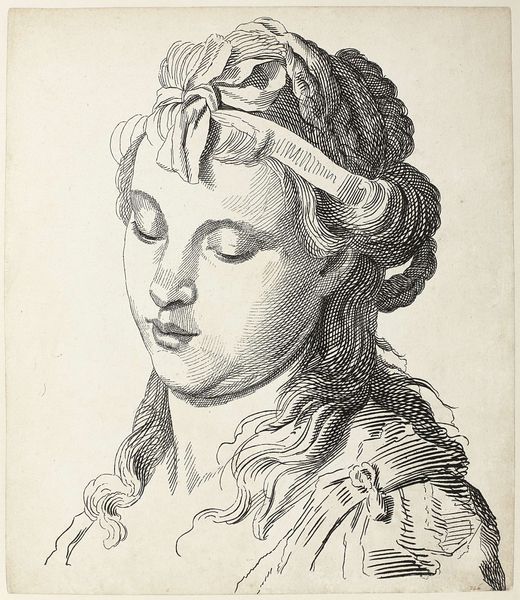
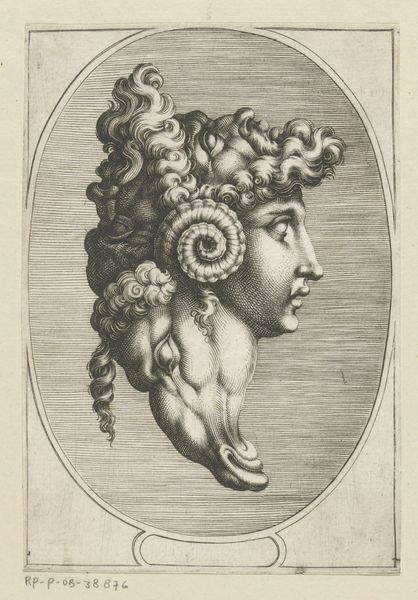
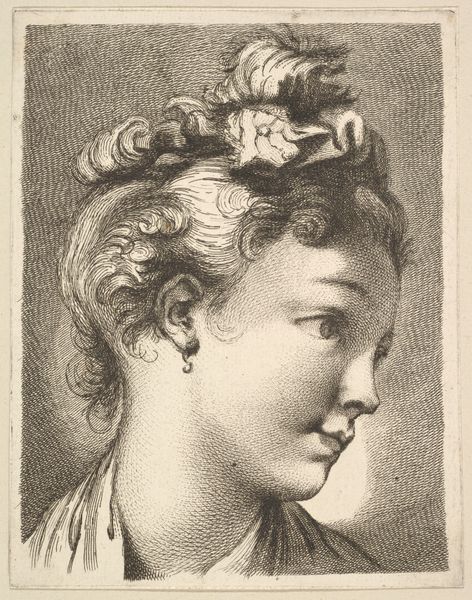
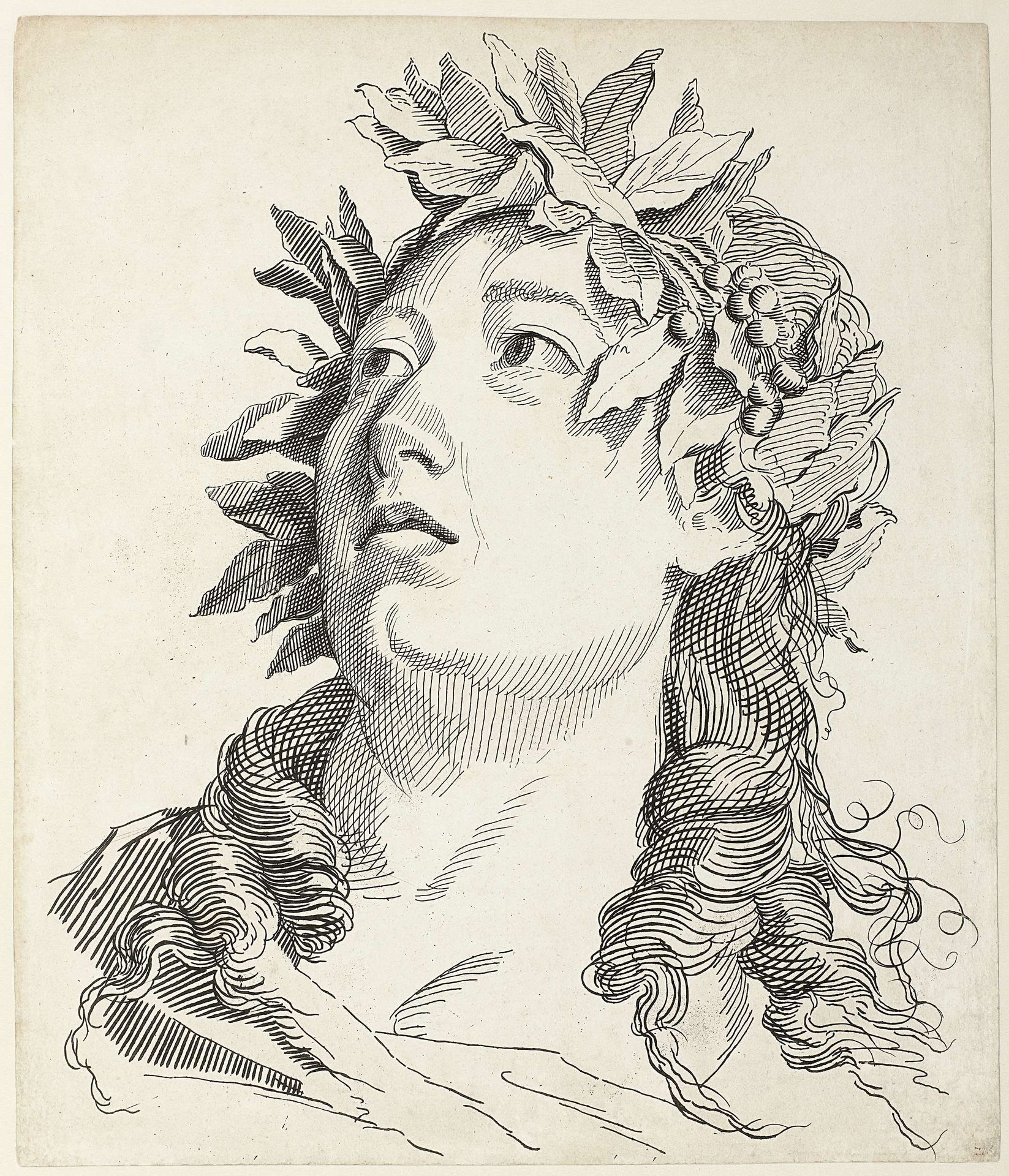
Vrouwenkop met lauwerkrans

Antonio Giuseppe Barbazza
1722 - 1771Location
RijksmuseumListen to curator's interpretation
Curatorial notes
Antonio Giuseppe Barbazza created this "Vrouwenkop met lauwerkrans" sometime in the 18th century, using etching. The image is built up entirely of thin lines, a fundamental aspect of the etching process, which involves drawing into a wax ground on a metal plate, then bathing it in acid. The acid bites away at the exposed metal, leaving an incised line which then holds ink. The ink is then transferred to paper through a printing press. Note the hatching and cross-hatching which gives the head volume and dimensionality. Etching was very popular at this time, as prints circulated widely, enabling an artist to disseminate their ideas, and of course, generate income. A print like this, therefore, reflects a wider, growing network of artistic production and consumption. The very nature of Barbazza's work – the quality of line, the control of the acid bite – speaks to the skill required in this mode of production. The work is thus a record of expertise, both artistic and technical.