1600
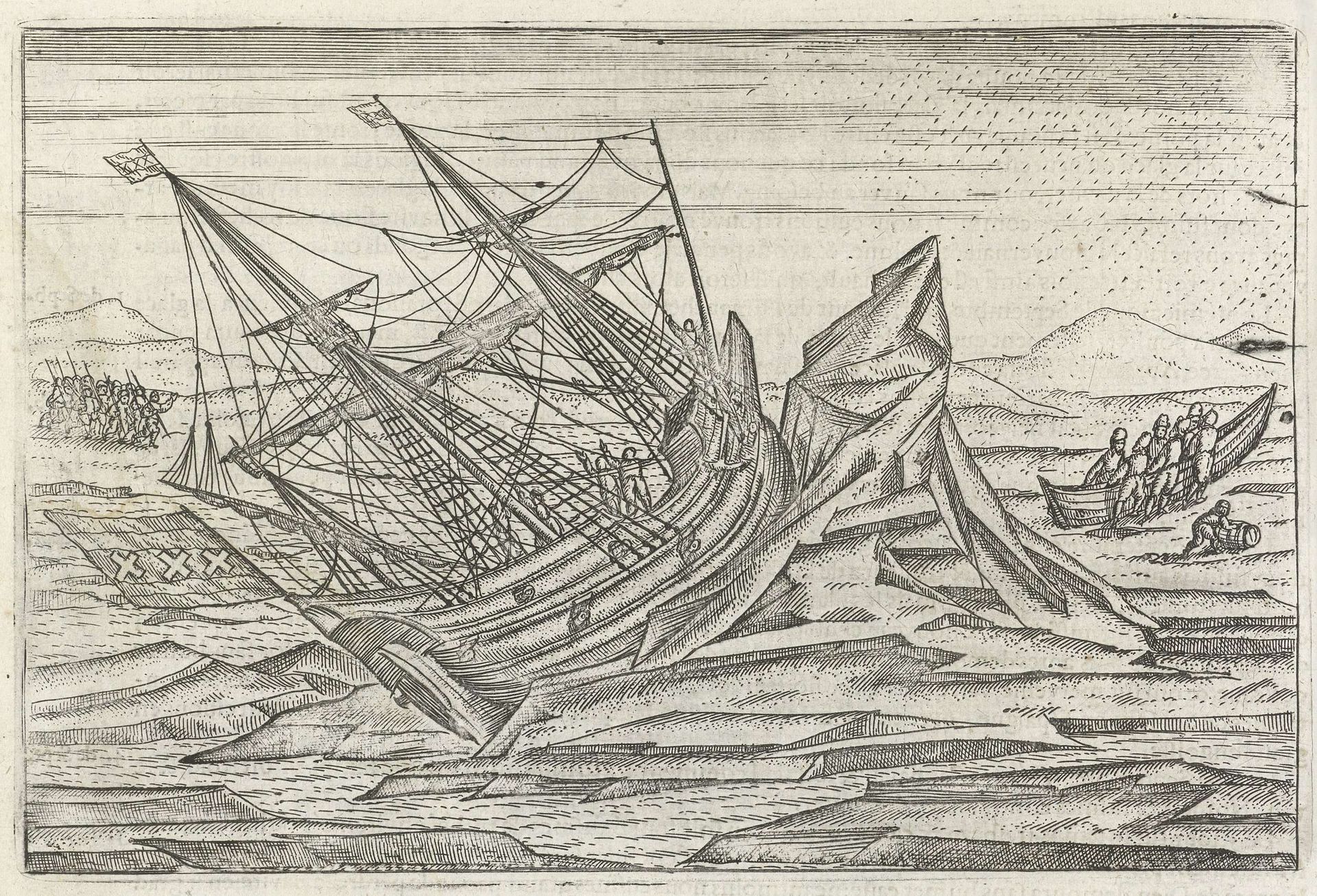
Vraye Description de Trois Voyages de mer tres admirables....

Gerrit de Veer
1570 - 1598Location
RijksmuseumListen to curator's interpretation
Curatorial notes
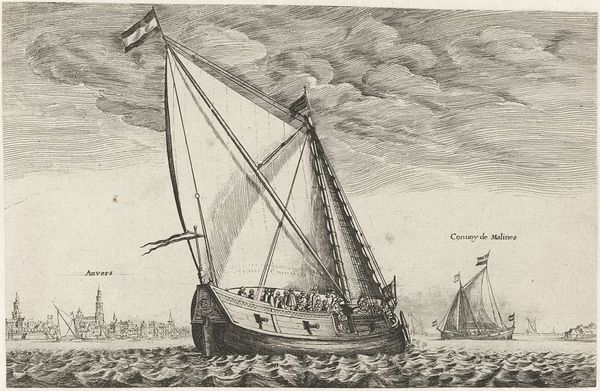
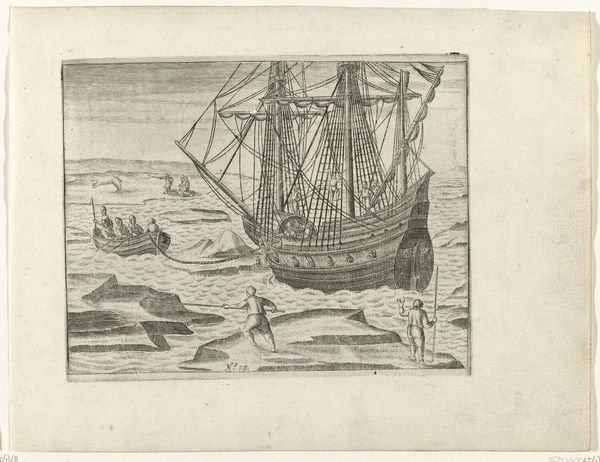
Gerrit de Veer’s engraving captures a scene of peril from a 16th-century Dutch voyage. The stranded ship, juxtaposed with jagged ice formations, immediately suggests a confrontation with the formidable power of nature. Consider the three crosses on the stern; a mark of Amsterdam. These aren’t merely geographic identifiers, but symbols evoking Saint Andrew, an apostle believed to have been crucified on an X-shaped cross. This symbol carries themes of sacrifice and endurance. We see echoes of this motif in earlier Christian art, where saints bore the instruments of their martyrdom. The raw, untamed Arctic setting reflects humanity's struggle against an indifferent cosmos. This resonates deeply with our primal fears and collective memories. Here, the image transcends a simple historical record, engaging our subconscious understanding of danger and resilience. Just as the Laocoön sculpture embodies human suffering, the ship, caught in ice, represents the frailty of human ambition when confronted by nature’s might. Notice how the voyage and its symbolism re-emerge, re-coded, in later Romantic paintings, where nature is not a benign backdrop but a powerful, sublime force. The crosses endure, transformed, yet still echoing themes of struggle and salvation.