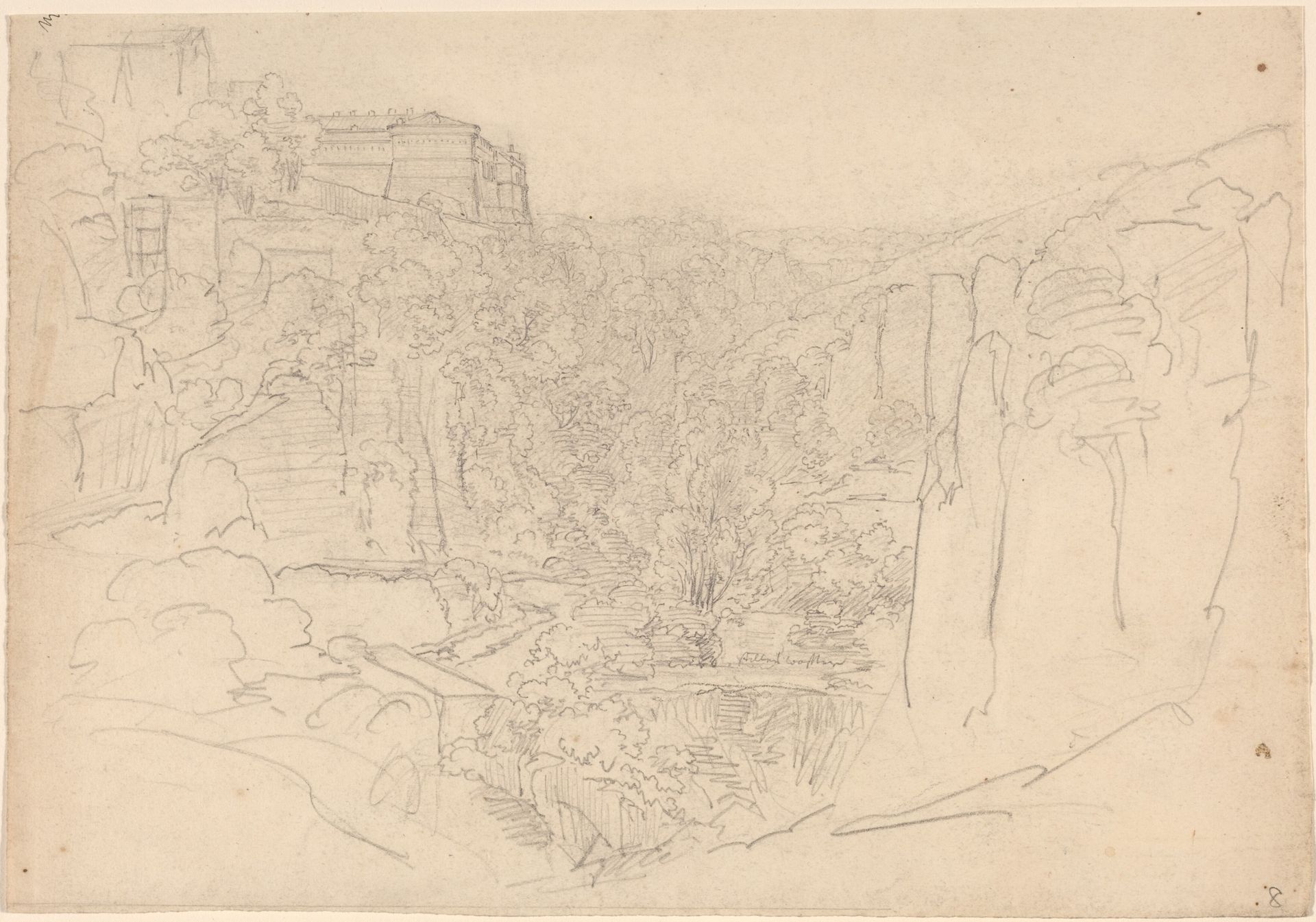
Fortified Castle Above a Narrow Valley


Listen to curator's interpretation
Curatorial notes
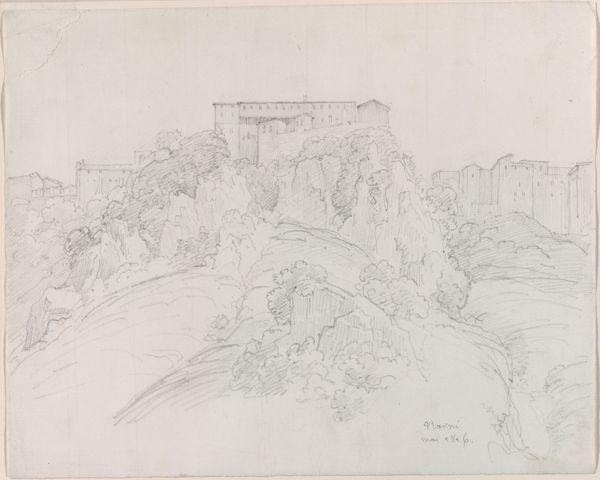
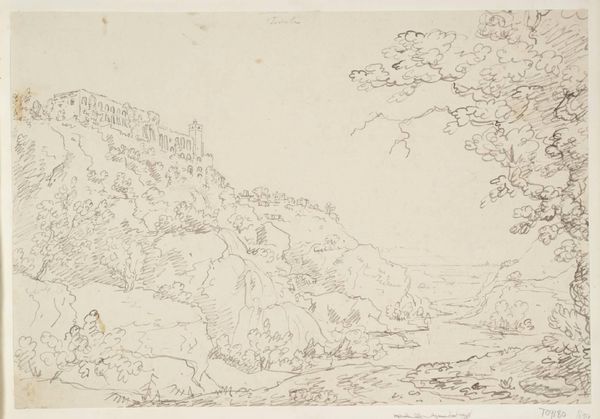
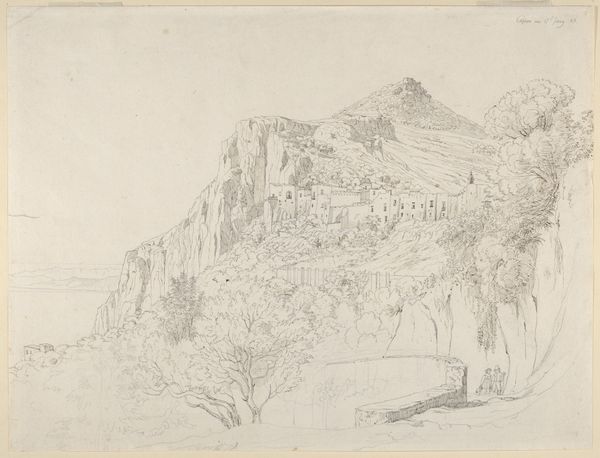
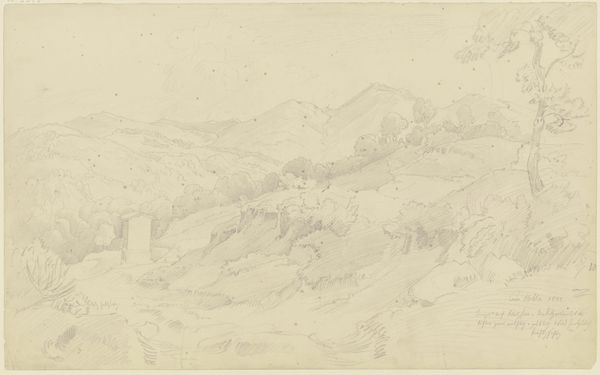
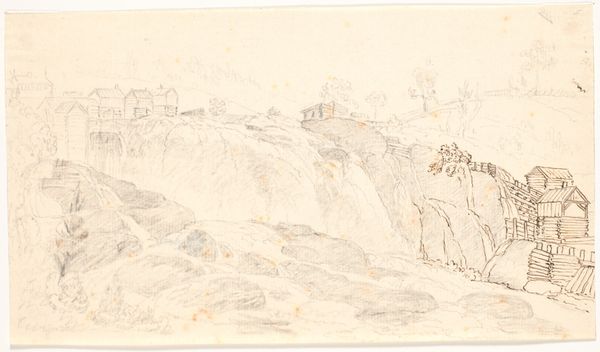
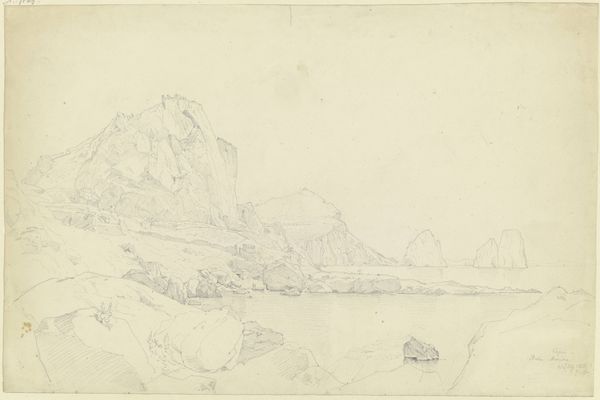
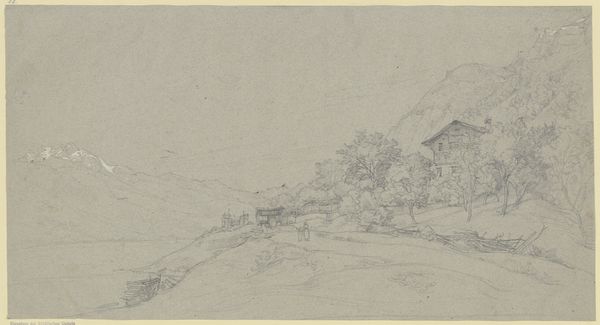
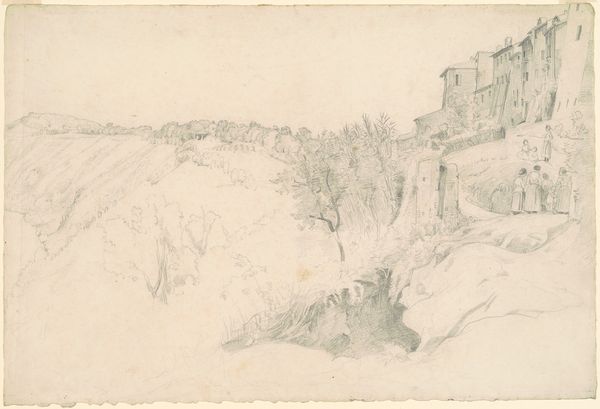
Friedrich Salathé made this pencil drawing, Fortified Castle Above a Narrow Valley, sometime in the first half of the 19th century. It depicts a castle perched high above a valley in what was likely his native Switzerland, a country known for both its natural beauty and its defensive fortifications. Castles in the Romantic era were symbols of a medieval past, representing a specific social order. Salathé’s meticulous rendering of the castle, combined with the softer treatment of the surrounding landscape, speaks to the cultural values of the time. This was a period where the past was re-evaluated through the lens of present social and political concerns. Switzerland, with its long history of independence and neutrality, held a unique position in Europe. To truly understand this drawing, one must consider the social and political currents of 19th-century Europe. A study of period guidebooks and military architecture would provide a deeper insight into how Salathé’s audience may have viewed such a scene.