About this artwork
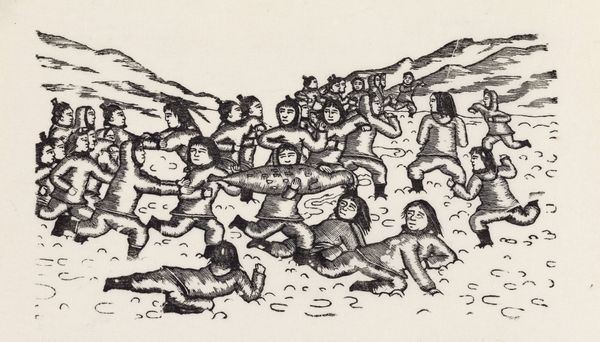
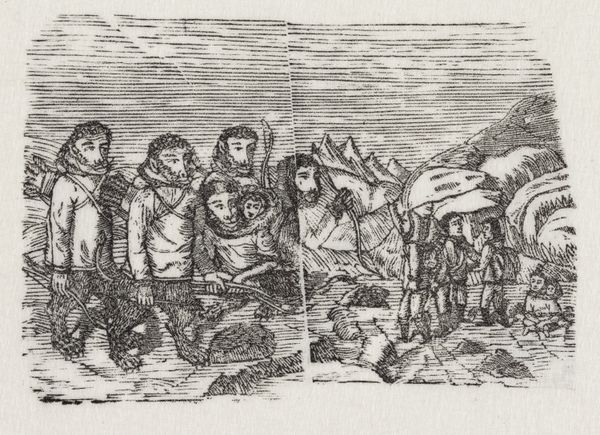
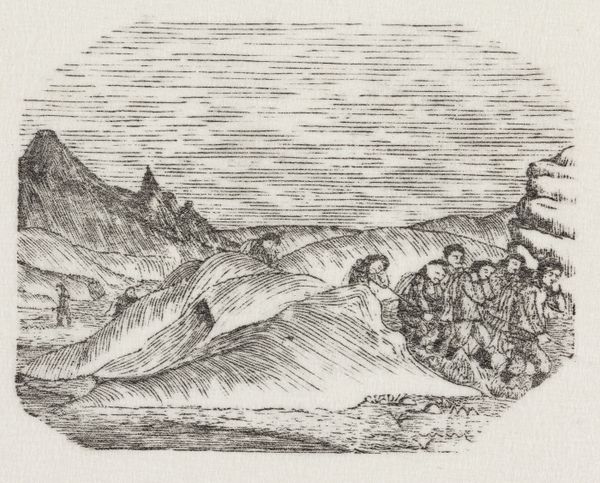
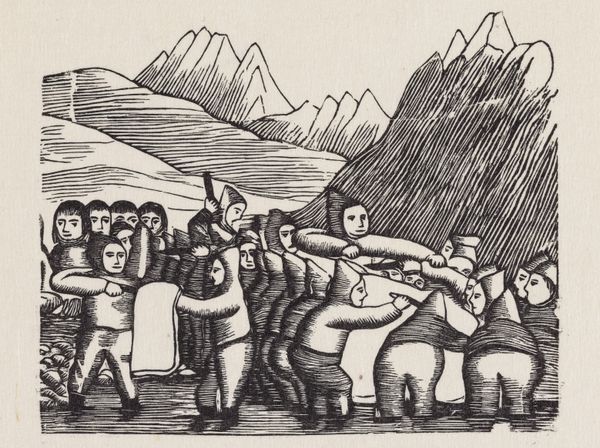
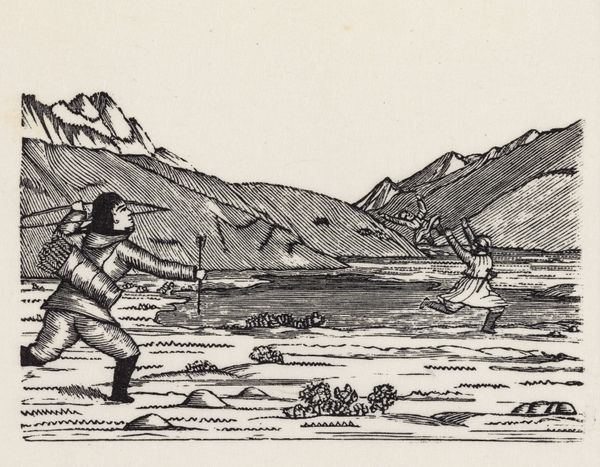
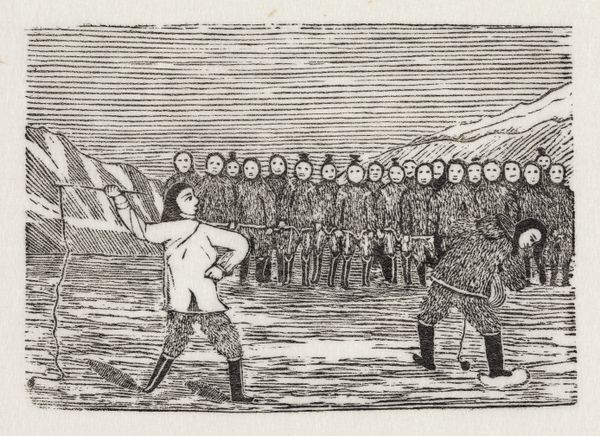
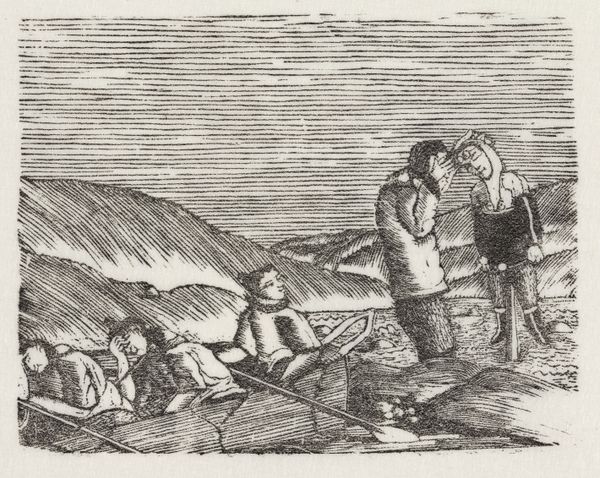
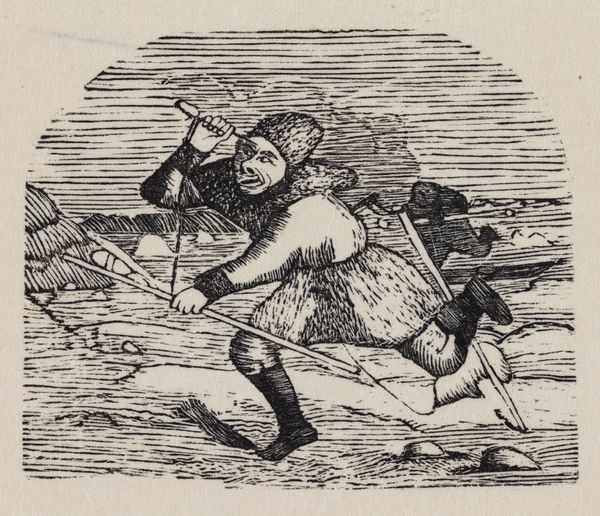
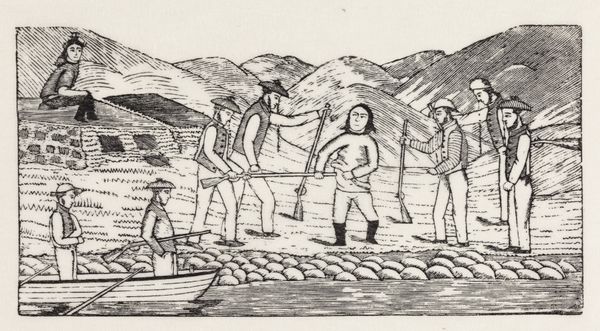
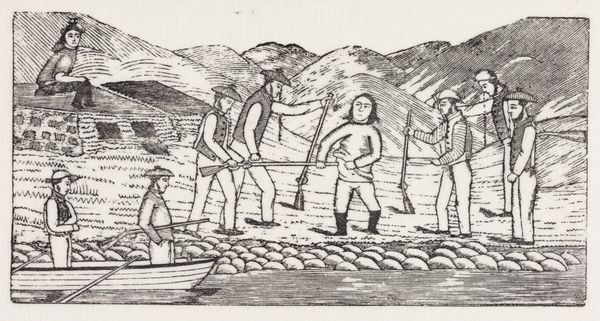
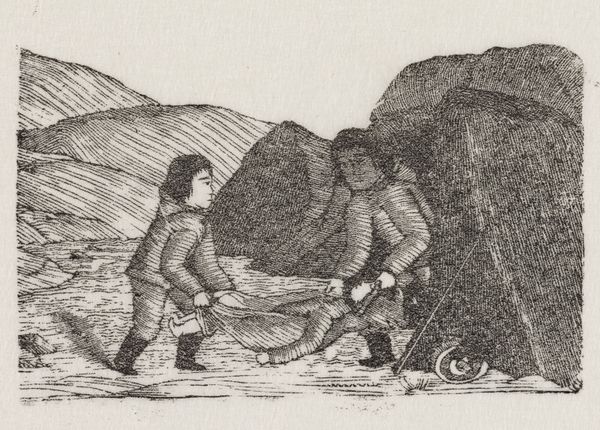
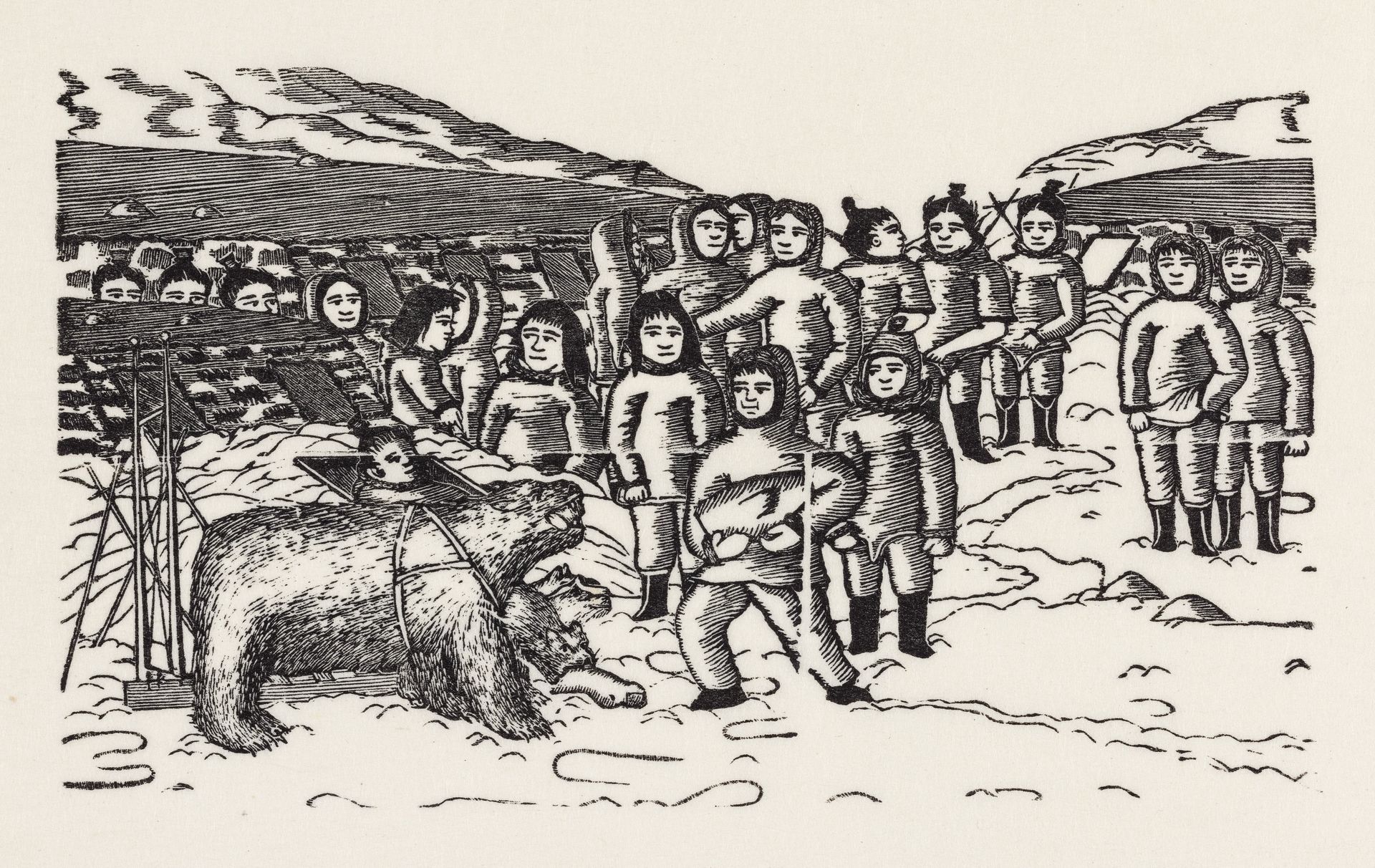
This small woodcut print, titled “The Tale of Ungilatake,” was created by Markus Lynge, an artist born in Greenland in 1816. Lynge’s images offer a window into 19th-century Greenlandic life, at a time when the indigenous culture was under pressure from Danish colonization. Here we see Ungilatake, a legendary Greenlander, celebrated for his strength and hunting prowess. The print depicts Ungilatake feeding a polar bear and another animal he has single-handedly captured. Lynge's work exists in a tension, embodying both the traditional Inuit way of life and the influence of European artistic styles and colonial presence. Consider how the community gazes upon Ungilatake. Are they admiring his strength, or is there a sense of concern about the changing world around them? Lynge's narrative resonates even now, prompting us to reflect on the legacy of colonialism and the resilience of indigenous cultures in the face of cultural change.
Fortællingen om Ungilatake: Ungilatake fodrer isbjørnen og udyret, som han har fanget ene mand og bundet med remme
1859 - 1860


Artwork details
- Medium
- print, woodblock-print, woodcut
- Dimensions
- 98 mm (height) x 165 mm (width) (billedmål)
- Location
- SMK - Statens Museum for Kunst
Tags
Comments
Share your thoughts
About this artwork
This small woodcut print, titled “The Tale of Ungilatake,” was created by Markus Lynge, an artist born in Greenland in 1816. Lynge’s images offer a window into 19th-century Greenlandic life, at a time when the indigenous culture was under pressure from Danish colonization. Here we see Ungilatake, a legendary Greenlander, celebrated for his strength and hunting prowess. The print depicts Ungilatake feeding a polar bear and another animal he has single-handedly captured. Lynge's work exists in a tension, embodying both the traditional Inuit way of life and the influence of European artistic styles and colonial presence. Consider how the community gazes upon Ungilatake. Are they admiring his strength, or is there a sense of concern about the changing world around them? Lynge's narrative resonates even now, prompting us to reflect on the legacy of colonialism and the resilience of indigenous cultures in the face of cultural change.
Comments
Share your thoughts