About this artwork
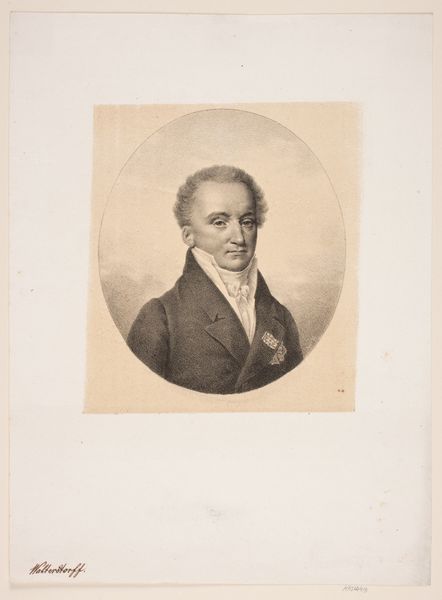
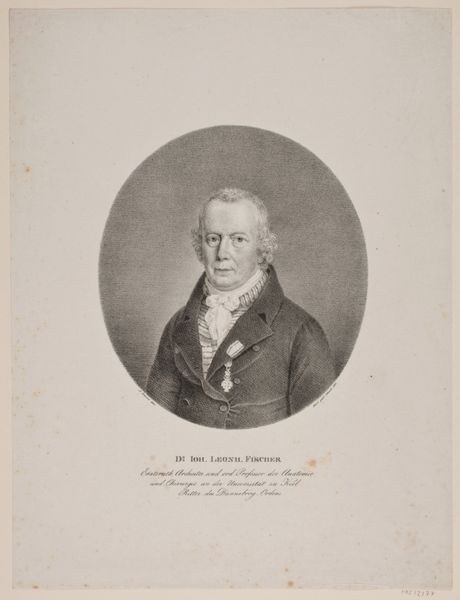
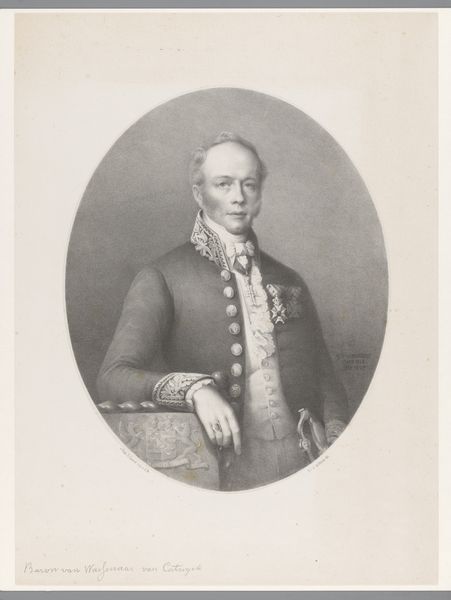
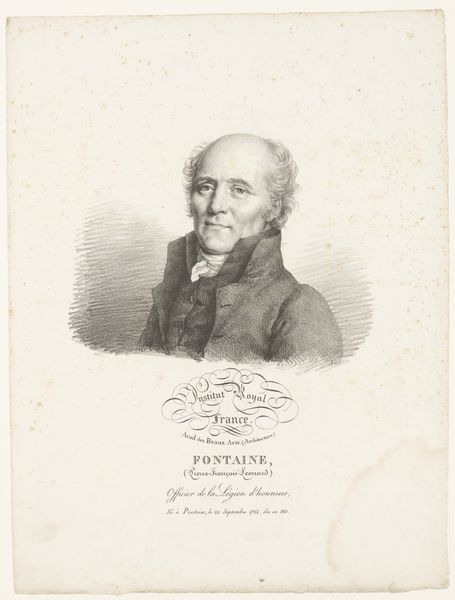
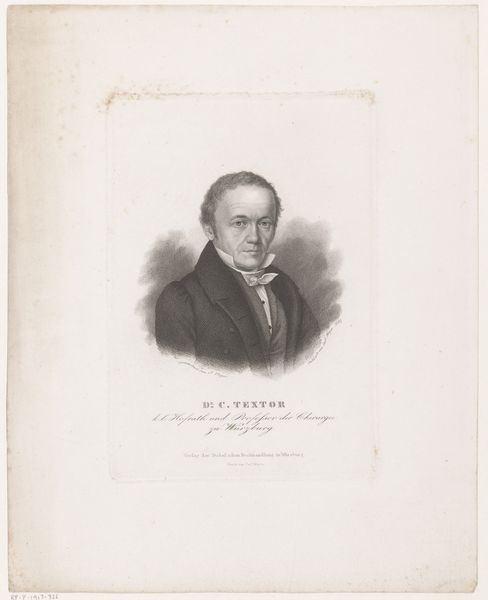
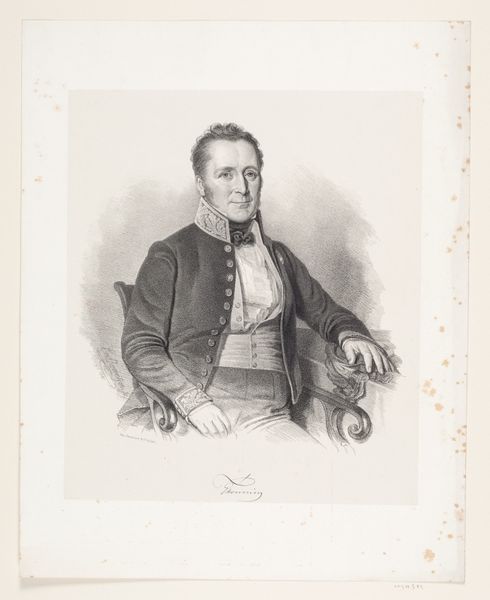
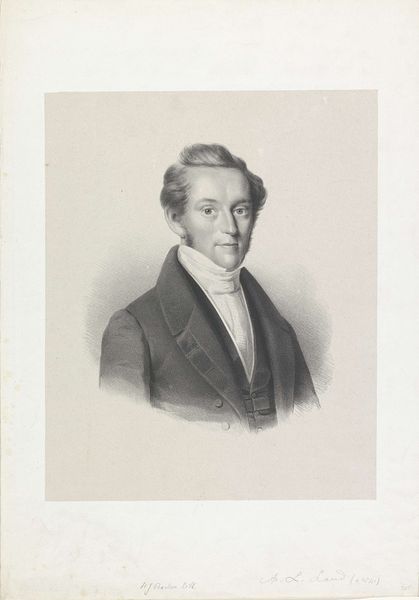
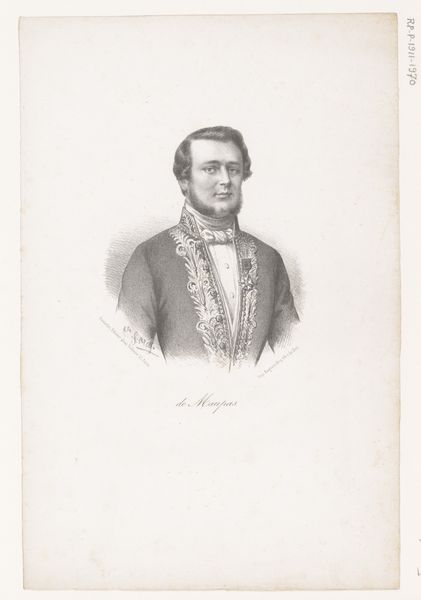
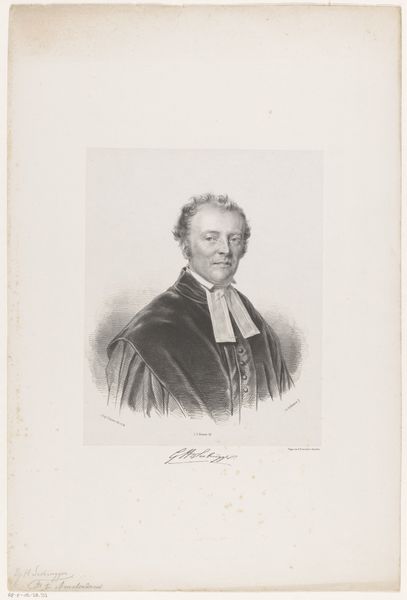
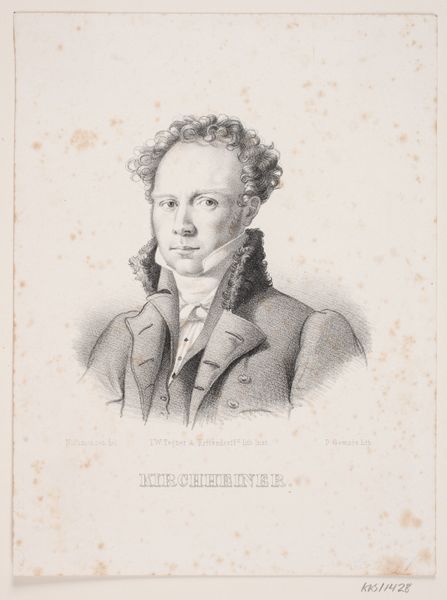
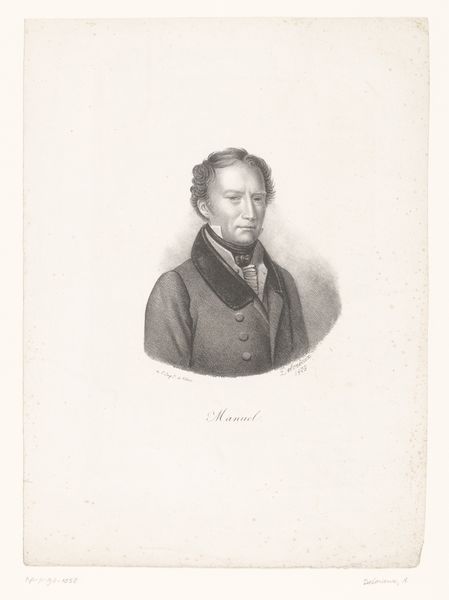
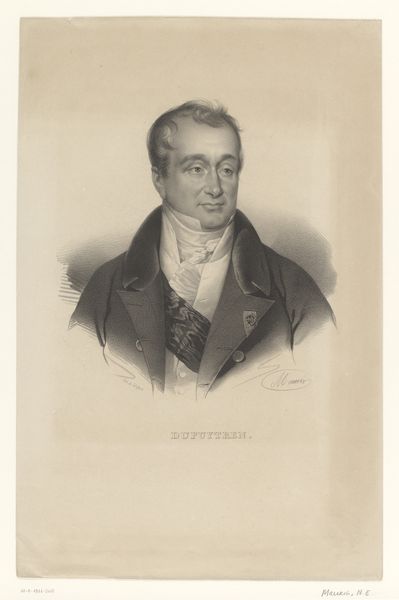
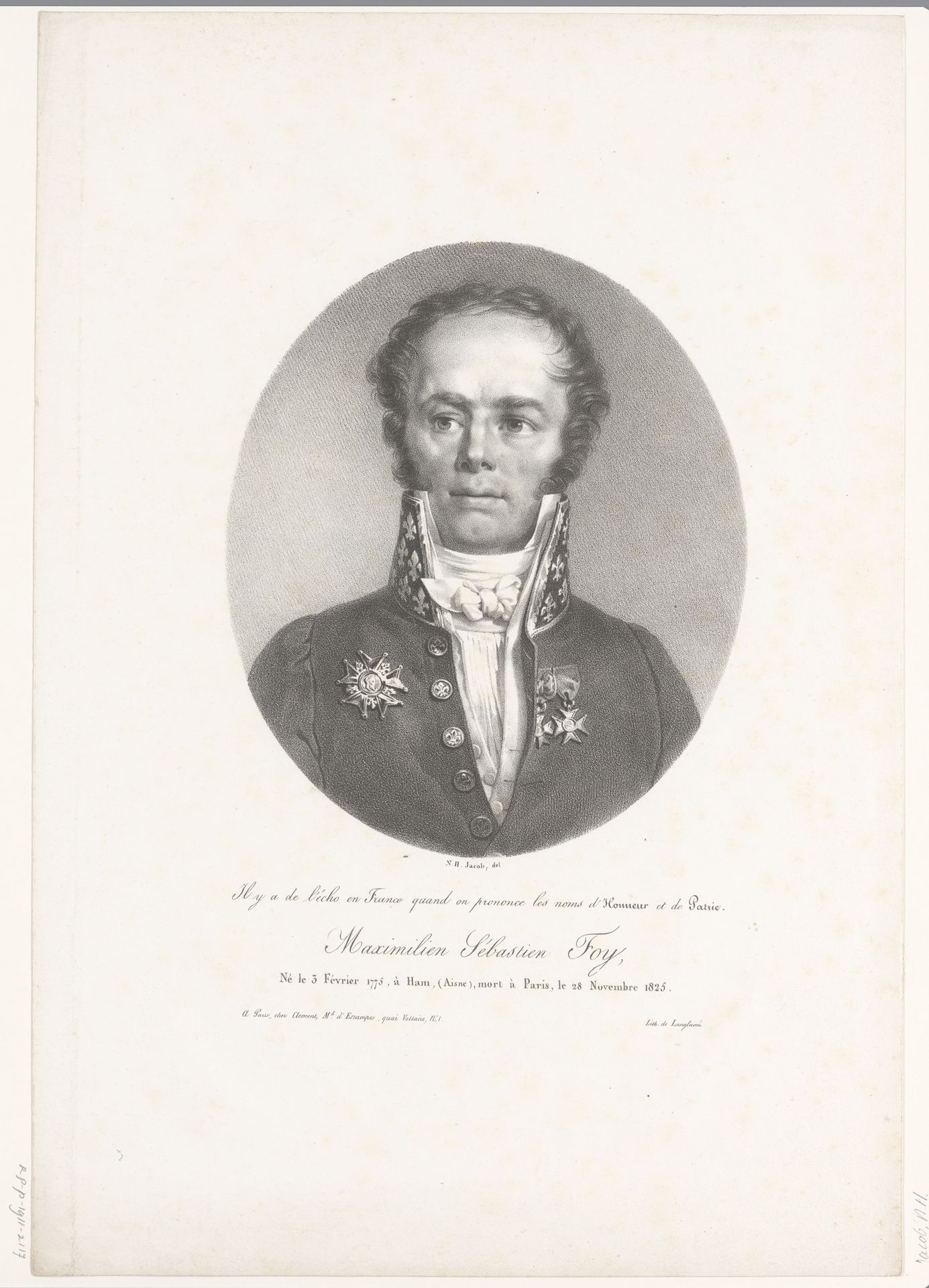
Nicolas Henri Jacob created this engraving titled "Portret van Maximilien Sébastien Foy". Jacob was working during a time of significant social and political upheaval in France, and his work often reflects the values and ideals of the Enlightenment and the French Revolution. This portrait captures General Foy, a figure of power and influence in early 19th-century France. Foy's stern and unwavering gaze speaks to the values of leadership. The medals adorning his chest signal not only his military achievements but also his allegiance to the state. Yet, it's essential to consider the complex intersection of military might, class, and national identity that Foy embodies. Foy's image promotes the narratives of heroism. How does this representation of Foy, with all its markers of status and authority, invite us to reflect on the broader themes of power, identity, and representation in post-revolutionary France?
Portret van Maximilien Sébastien Foy
1826 - 1827

Nicolas Henri Jacob
1782 - 1871Location
RijksmuseumArtwork details
- Medium
- print, etching
- Dimensions
- height 440 mm, width 304 mm
- Location
- Rijksmuseum
- Copyright
- Rijks Museum: Open Domain
Tags
Comments
Share your thoughts
About this artwork
Nicolas Henri Jacob created this engraving titled "Portret van Maximilien Sébastien Foy". Jacob was working during a time of significant social and political upheaval in France, and his work often reflects the values and ideals of the Enlightenment and the French Revolution. This portrait captures General Foy, a figure of power and influence in early 19th-century France. Foy's stern and unwavering gaze speaks to the values of leadership. The medals adorning his chest signal not only his military achievements but also his allegiance to the state. Yet, it's essential to consider the complex intersection of military might, class, and national identity that Foy embodies. Foy's image promotes the narratives of heroism. How does this representation of Foy, with all its markers of status and authority, invite us to reflect on the broader themes of power, identity, and representation in post-revolutionary France?
Comments
Share your thoughts