About this artwork
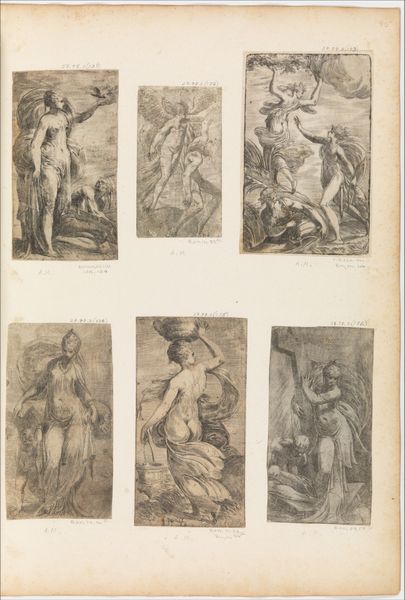
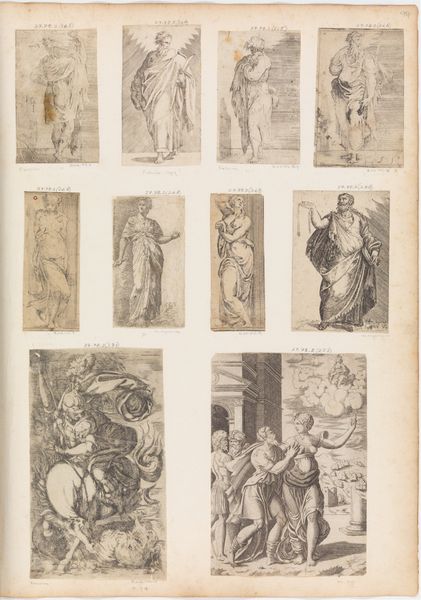
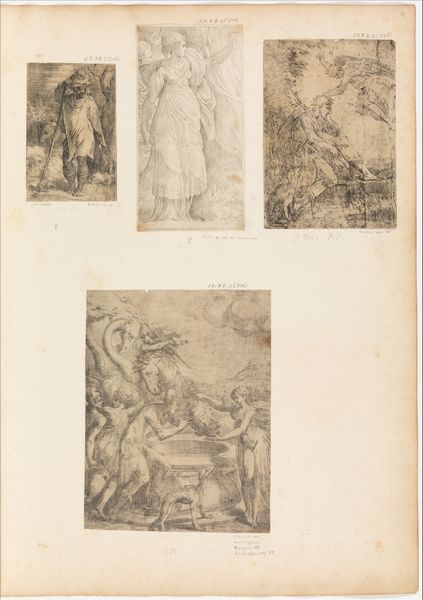
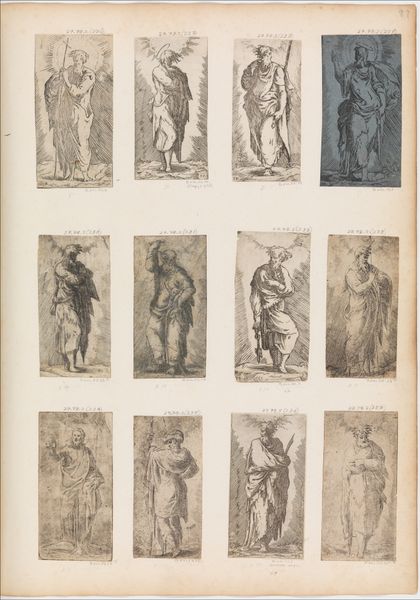
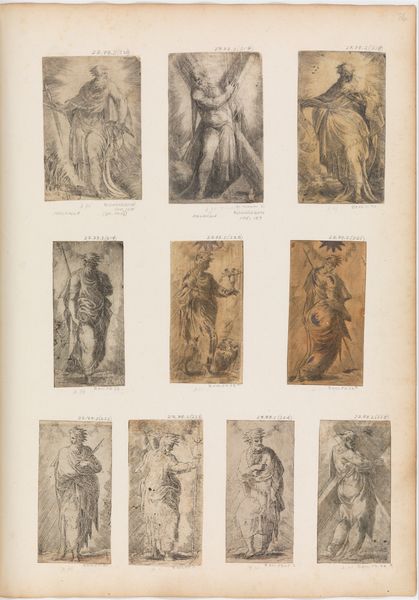
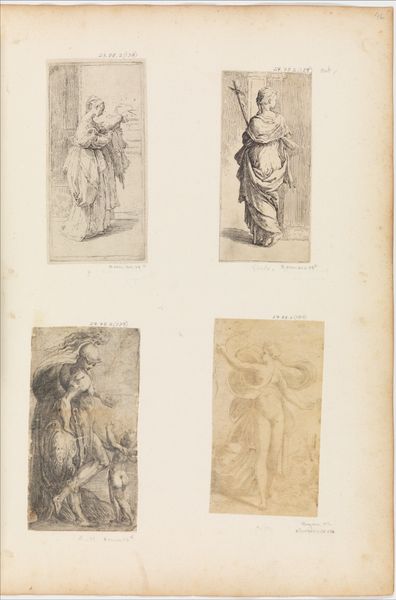
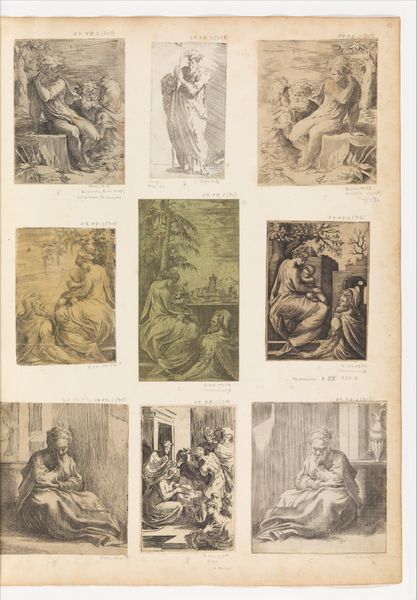
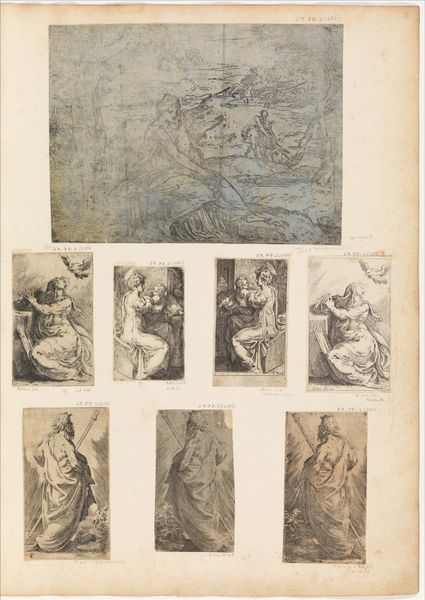
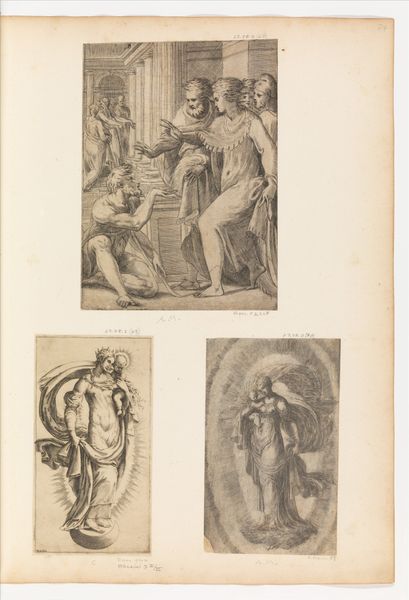
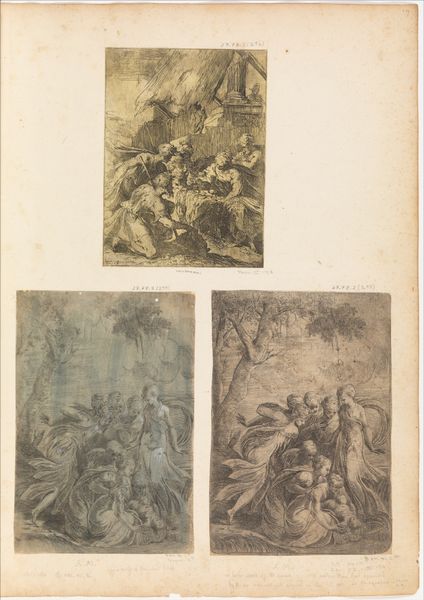
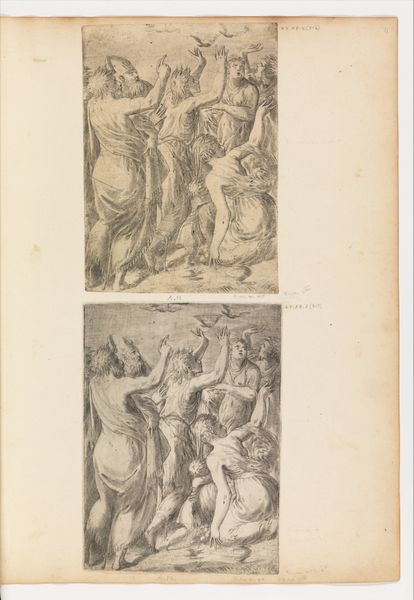
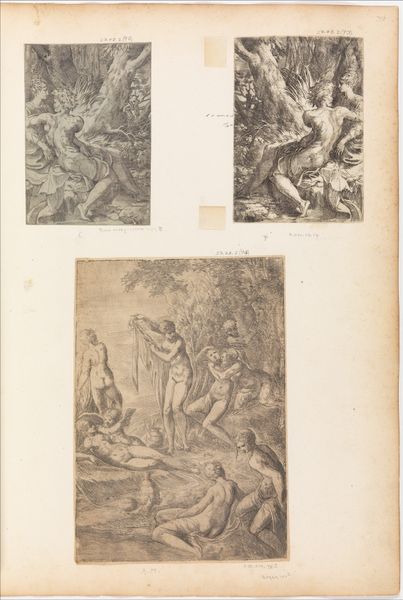
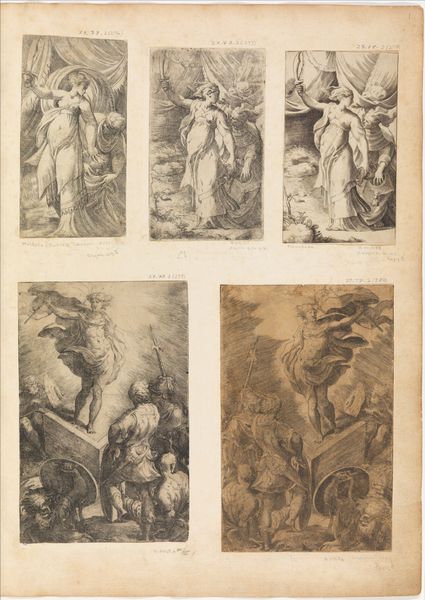
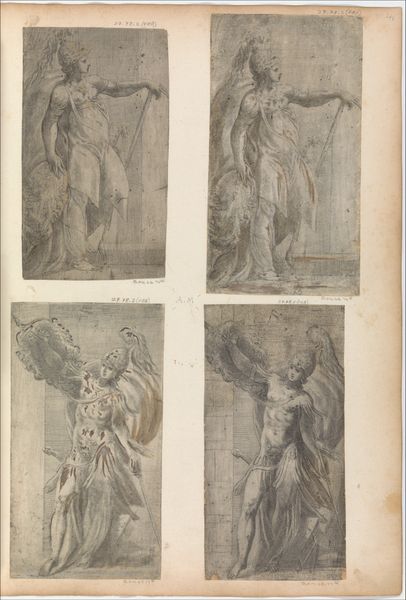
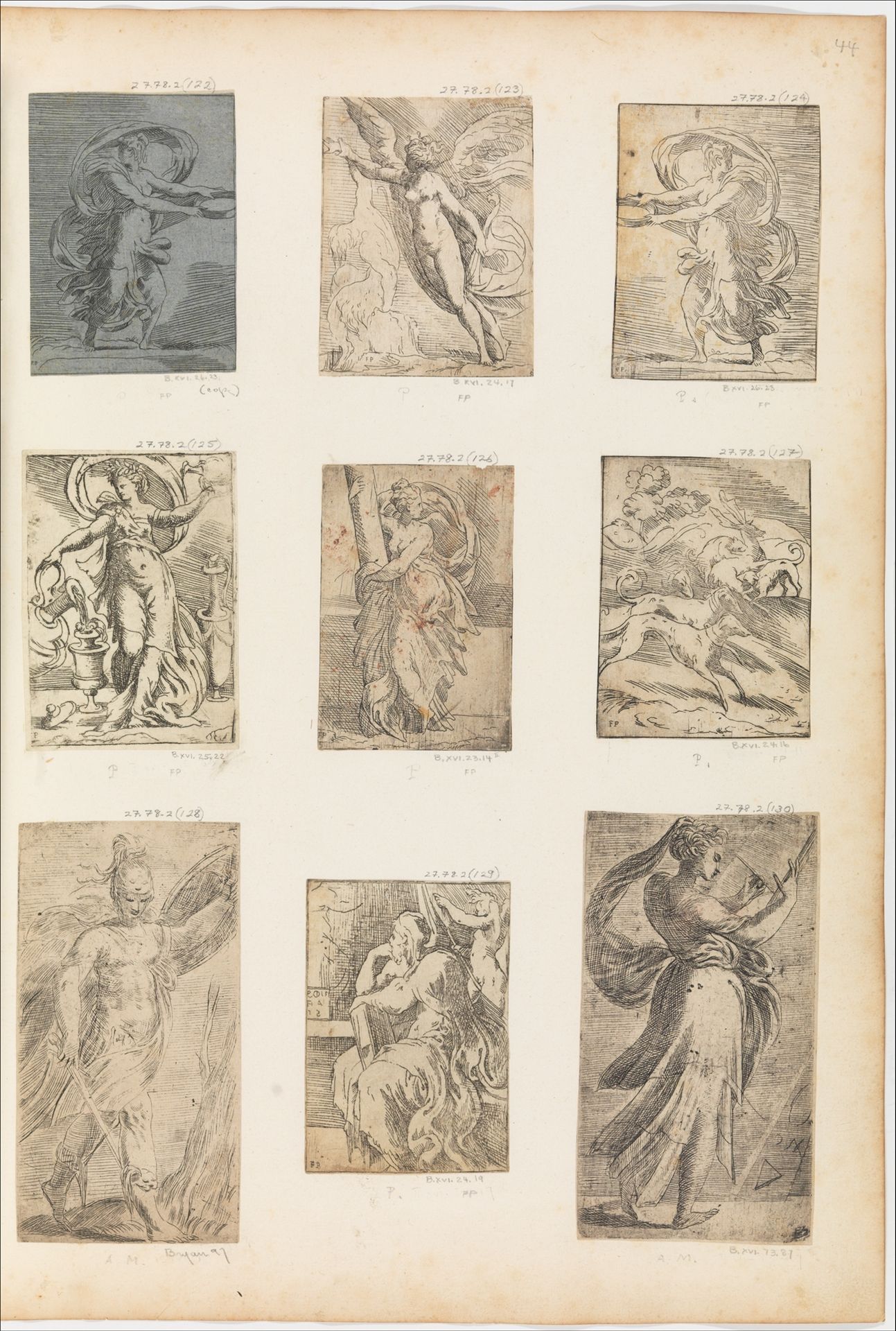
Andrea Schiavone made this print of a woman writing, sometime in the 16th century, through etching. Etching involves covering a metal plate with a waxy, protective layer, then scratching an image into that surface. The plate is then bathed in acid, which bites into the exposed metal, leaving an impression. This piece uses the technique to create a sense of light and movement, particularly in the flowing robes and hair of the figure. The etched lines are not just descriptive; they give the image its very form. Look closely, and you will see how Schiavone uses the technique to create a sense of depth, and texture. The method is less physically demanding than say, engraving, yet it still requires time and skill. Prints like this one played a crucial role in disseminating images, making art and ideas more widely accessible, impacting the social and cultural context of the Renaissance. It underscores the intimate relationship between materials, making, and meaning.
A Woman Writing
1510 - 1563

Andrea Schiavone (Andrea Meldola)
1510 - 1563
The Metropolitan Museum of Art
Metropolitan Museum of Art, New York, NYArtwork details
- Medium
- drawing, print
- Location
- Metropolitan Museum of Art, New York, NY
- Copyright
- Public Domain
Tags
Comments
Share your thoughts
About this artwork
Andrea Schiavone made this print of a woman writing, sometime in the 16th century, through etching. Etching involves covering a metal plate with a waxy, protective layer, then scratching an image into that surface. The plate is then bathed in acid, which bites into the exposed metal, leaving an impression. This piece uses the technique to create a sense of light and movement, particularly in the flowing robes and hair of the figure. The etched lines are not just descriptive; they give the image its very form. Look closely, and you will see how Schiavone uses the technique to create a sense of depth, and texture. The method is less physically demanding than say, engraving, yet it still requires time and skill. Prints like this one played a crucial role in disseminating images, making art and ideas more widely accessible, impacting the social and cultural context of the Renaissance. It underscores the intimate relationship between materials, making, and meaning.
Comments
Share your thoughts