About this artwork
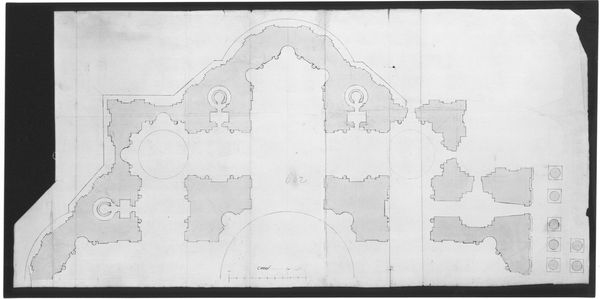
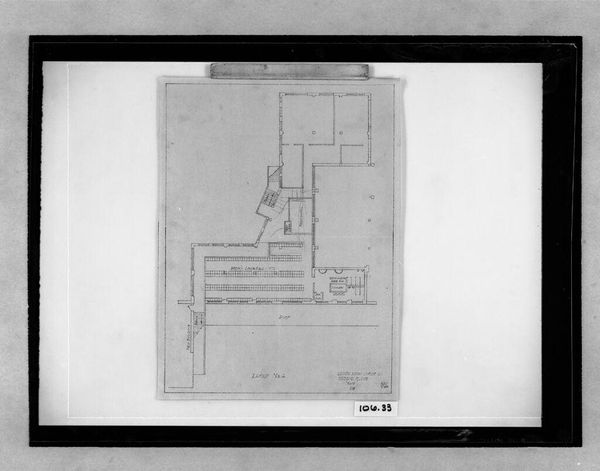
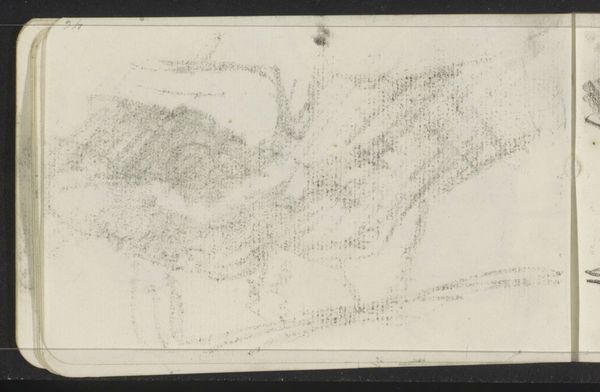
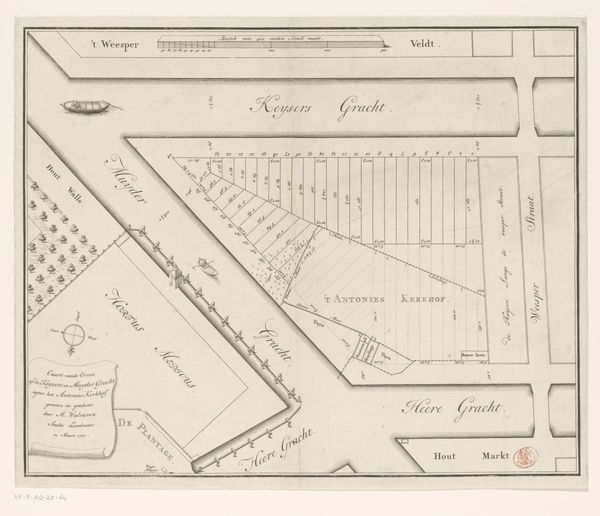
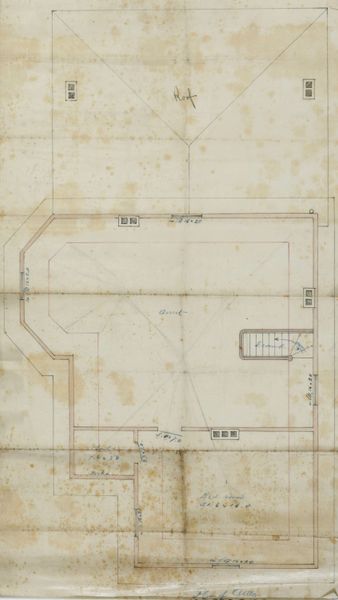
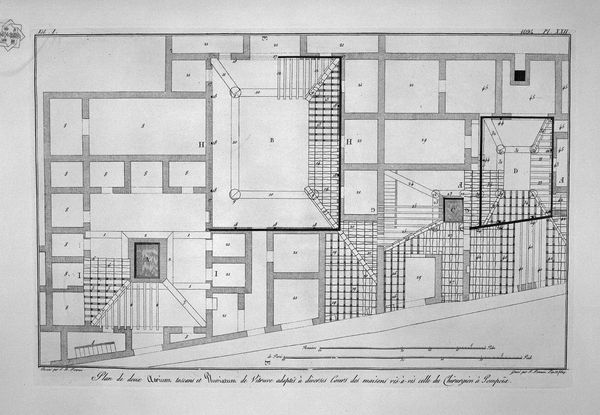
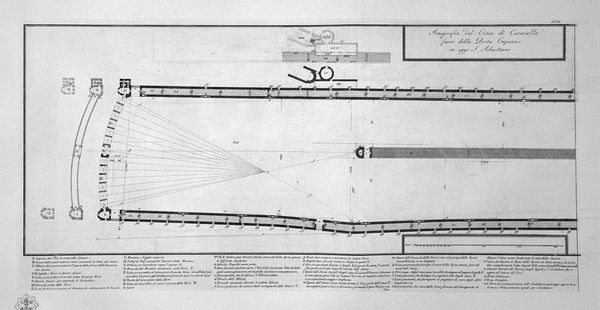
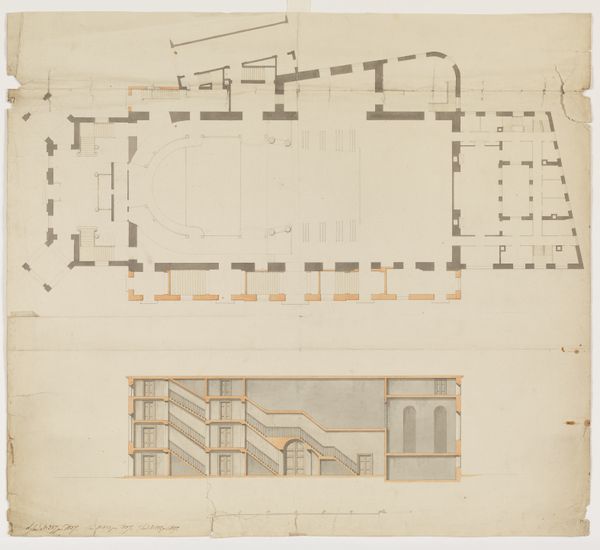
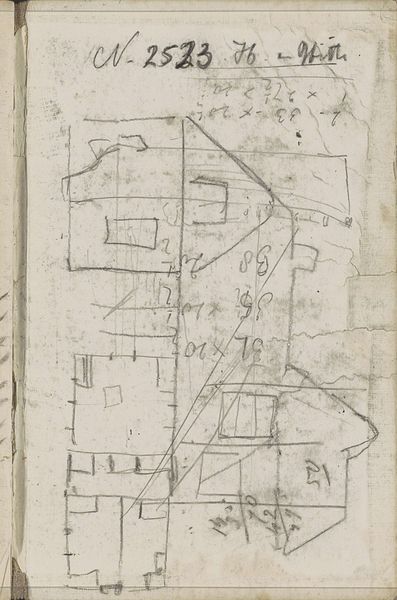
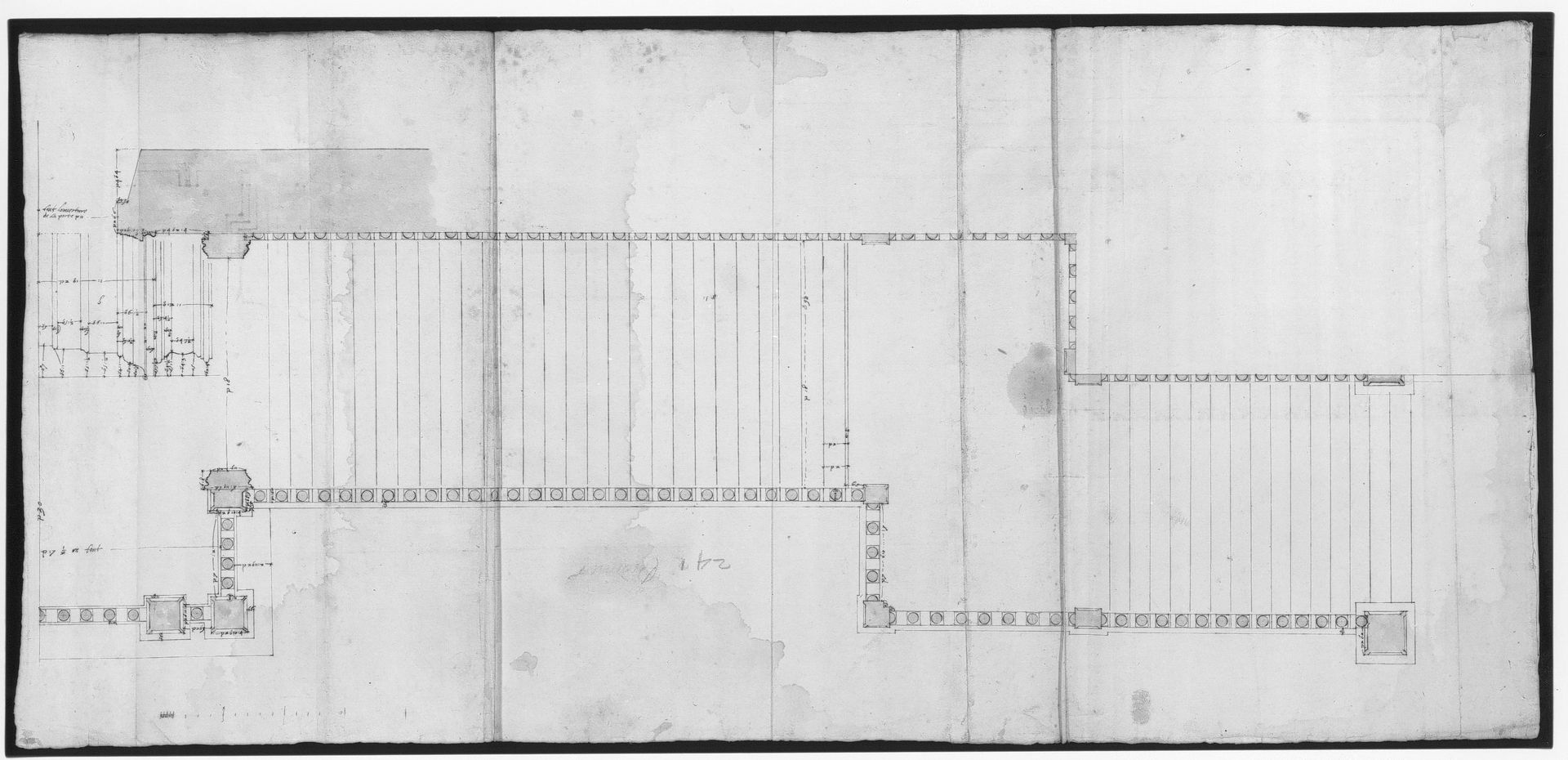
This is a meticulous rendering of the Palazzo Senatorio, capturing the essence of its architectural layout through precise lines and geometrical forms. The Palazzo's staircase and entry portal are not merely functional elements but powerful symbols of ascent and entry into the domain of governance. The stair motif, common across cultures, embodies the idea of progression, a reaching towards the divine or the authoritative. Think of Jacob's Ladder, a biblical symbol linking Earth and Heaven, mirroring the stair's capacity to connect different realms. In ancient Egyptian art, stairs are frequently depicted in funerary contexts, illustrating the soul's ascent to the afterlife. Here, the Palazzo's stair suggests more than just physical elevation; it signifies a psychological and social climb, a journey toward civic duty. This symbol resonates deeply, engaging our subconscious understanding of hierarchy, access, and the human quest for higher meaning. It reminds us that architecture, like art, is a carrier of potent cultural memory.
Palazzo Senatorio, stair, upper ramp and entry portal (recto) Palazzo Senatorio, stair, lower ramp and pedestal (verso)
1500 - 1560


Artwork details
- Medium
- drawing, print, paper, ink, architecture
- Dimensions
- sheet: 17 5/16 x 36 1/4 in. (44 x 92 cm)
- Location
- Metropolitan Museum of Art, New York, NY
- Copyright
- Public Domain
Tags
Comments
Share your thoughts
About this artwork
This is a meticulous rendering of the Palazzo Senatorio, capturing the essence of its architectural layout through precise lines and geometrical forms. The Palazzo's staircase and entry portal are not merely functional elements but powerful symbols of ascent and entry into the domain of governance. The stair motif, common across cultures, embodies the idea of progression, a reaching towards the divine or the authoritative. Think of Jacob's Ladder, a biblical symbol linking Earth and Heaven, mirroring the stair's capacity to connect different realms. In ancient Egyptian art, stairs are frequently depicted in funerary contexts, illustrating the soul's ascent to the afterlife. Here, the Palazzo's stair suggests more than just physical elevation; it signifies a psychological and social climb, a journey toward civic duty. This symbol resonates deeply, engaging our subconscious understanding of hierarchy, access, and the human quest for higher meaning. It reminds us that architecture, like art, is a carrier of potent cultural memory.
Comments
Share your thoughts