About this artwork
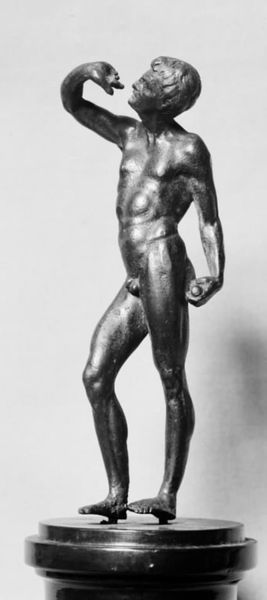
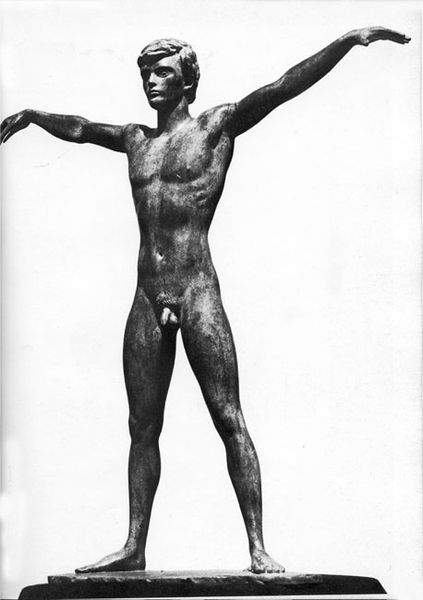
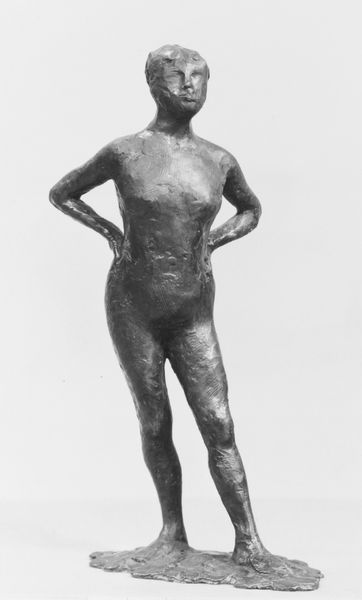
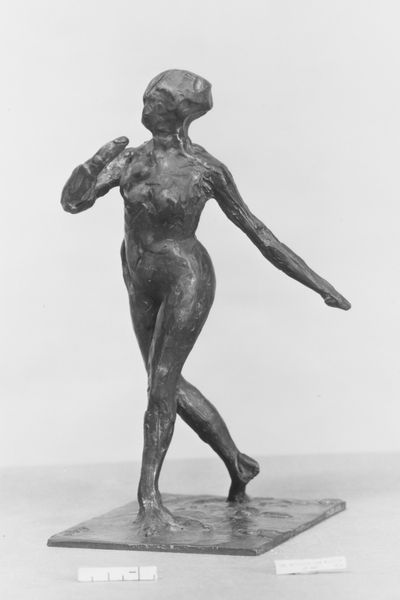
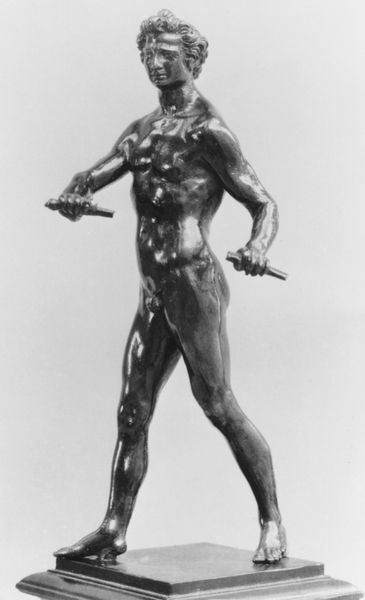
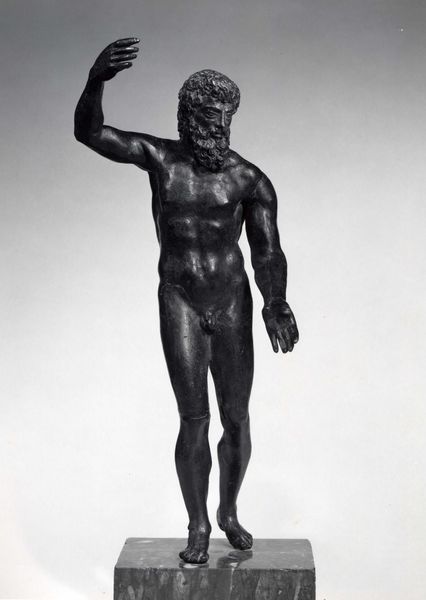
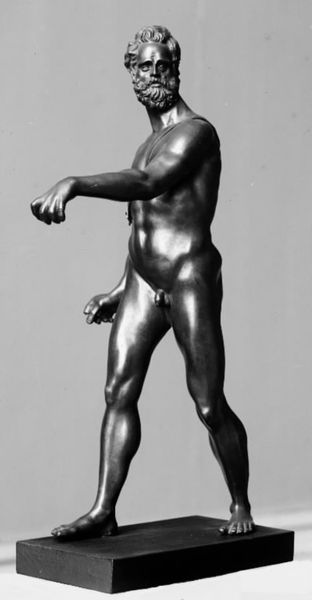
This bronze statuette of a warrior was created by an unknown artist, sometime in the past. It offers a window into how martial prowess and the male form were idealized in its time. The figure's dynamic pose, muscular physique, and helmet all speak to the cultural values placed on strength and military service. Without knowing its exact origin, we can still infer much about the society that produced it. Was it commissioned by a wealthy patron to celebrate a victory? Was it a votive offering to a god of war? Its survival within a museum raises questions about the changing value ascribed to such objects over time, and about how museums themselves shape our understanding of the past. To delve deeper, scholars might consult archaeological reports, examine similar statuettes from the same period, and analyze texts that describe contemporary attitudes towards warfare and masculinity. Only through careful historical contextualization can we begin to understand the rich social meanings embedded within this small bronze figure.
A Warrior 16th century


Artwork details
- Medium
- bronze, sculpture
- Dimensions
- 26 cm (height) x 17 cm (width) x 7 cm (depth) (Netto)
- Location
- SMK - Statens Museum for Kunst
Tags
portrait
sculpture
bronze
figuration
11_renaissance
sculpture
black and white
history-painting
italian-renaissance
nude
Comments
No comments
About this artwork
This bronze statuette of a warrior was created by an unknown artist, sometime in the past. It offers a window into how martial prowess and the male form were idealized in its time. The figure's dynamic pose, muscular physique, and helmet all speak to the cultural values placed on strength and military service. Without knowing its exact origin, we can still infer much about the society that produced it. Was it commissioned by a wealthy patron to celebrate a victory? Was it a votive offering to a god of war? Its survival within a museum raises questions about the changing value ascribed to such objects over time, and about how museums themselves shape our understanding of the past. To delve deeper, scholars might consult archaeological reports, examine similar statuettes from the same period, and analyze texts that describe contemporary attitudes towards warfare and masculinity. Only through careful historical contextualization can we begin to understand the rich social meanings embedded within this small bronze figure.
Comments
No comments