About this artwork
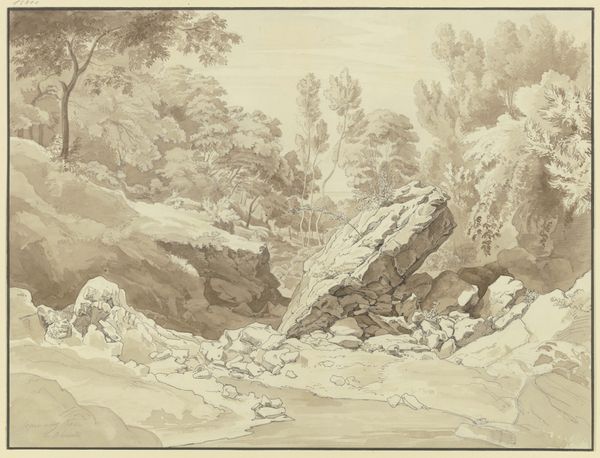
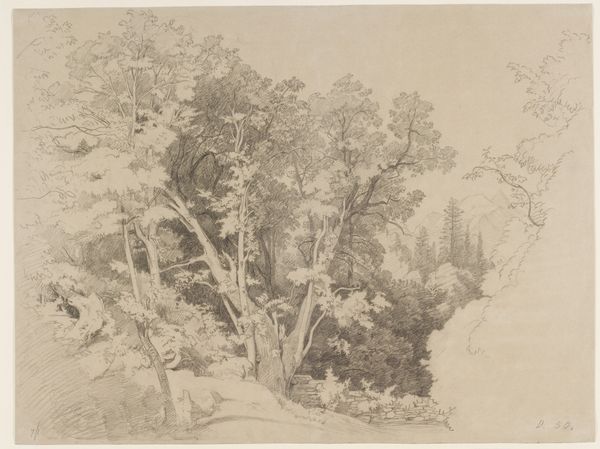
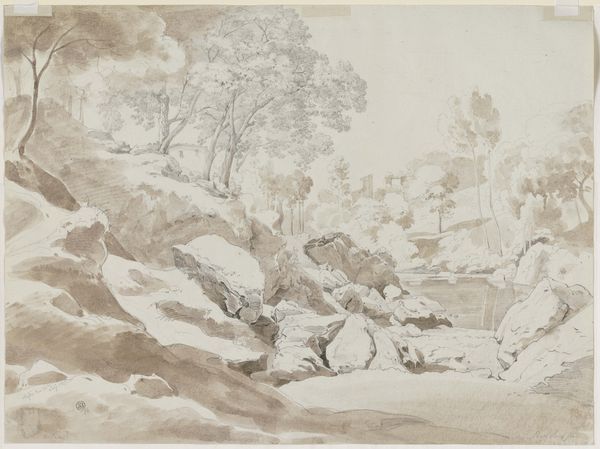
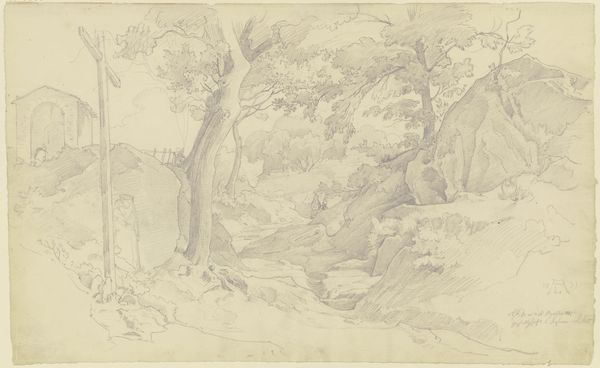
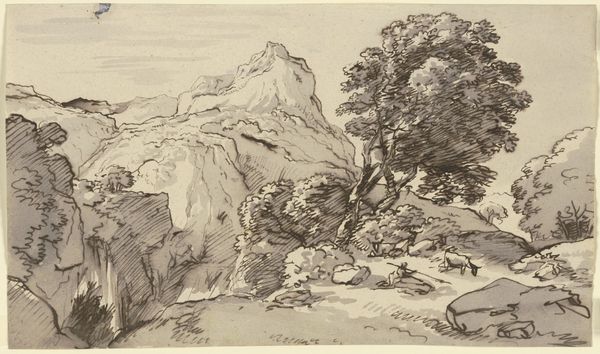
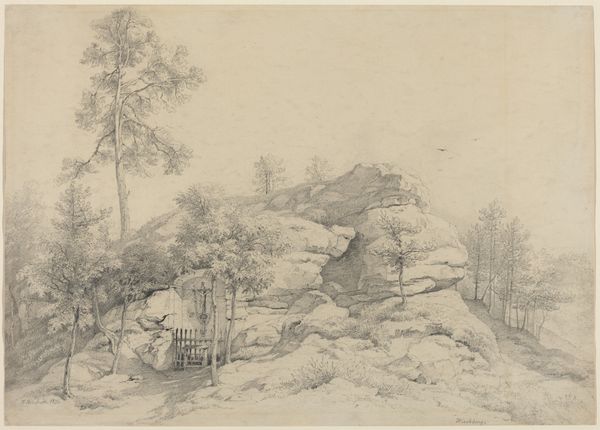
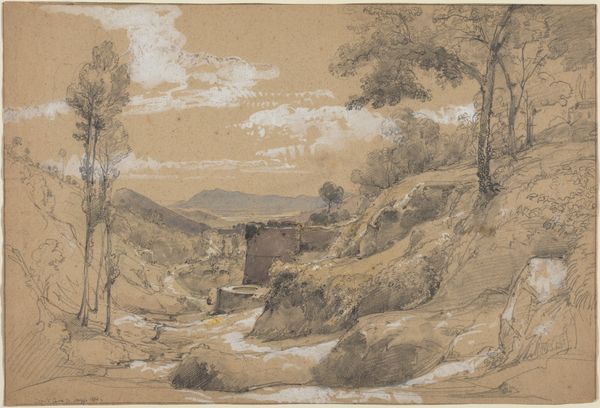
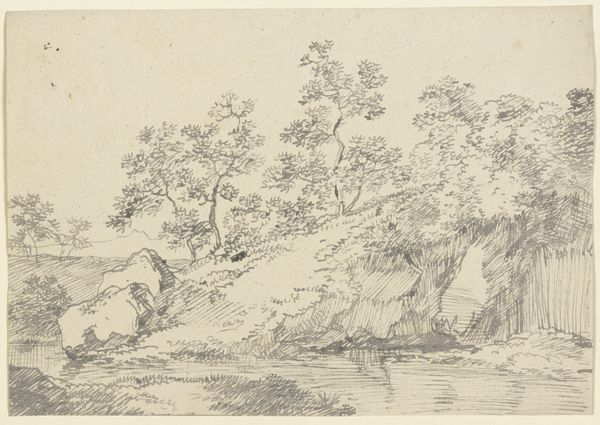
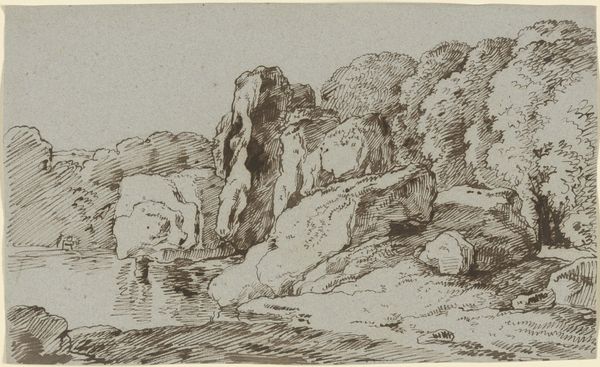
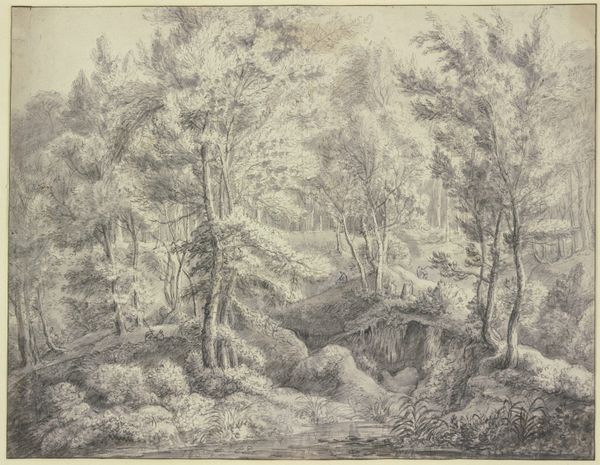
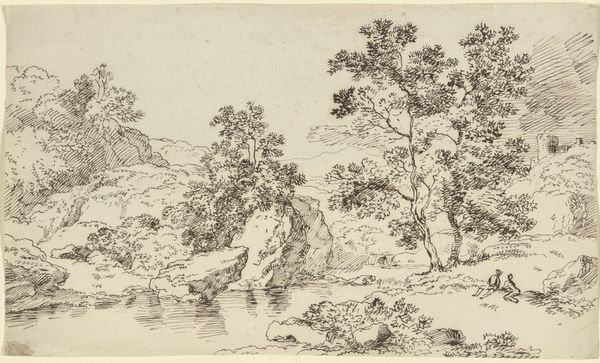
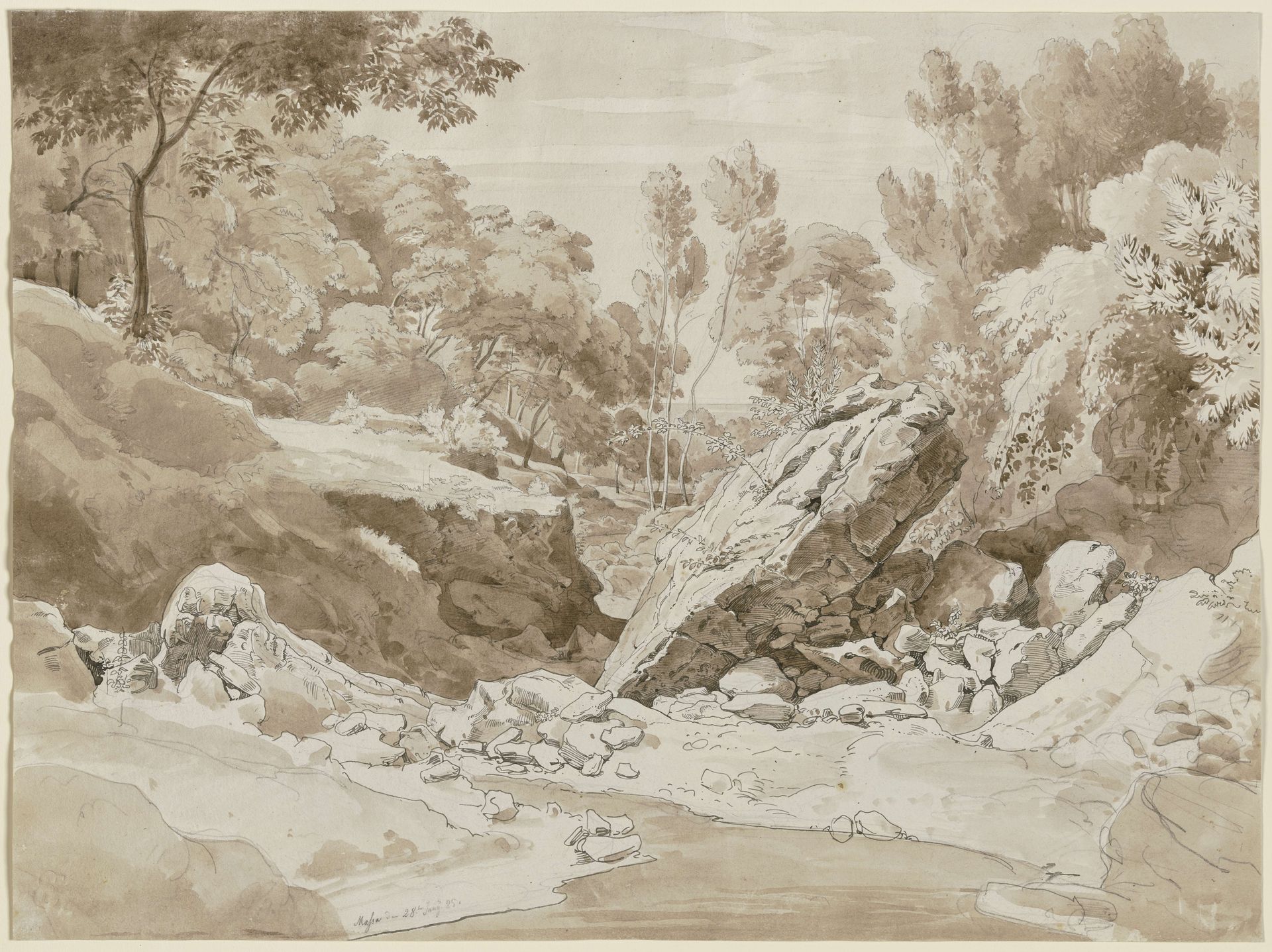
Ernst Fries rendered this ink drawing of a rocky landscape near Massa di Carrara in Italy sometime in the early 19th century. It captures a moment of tranquil observation, common among Northern European artists traveling south in search of classical ruins and sublime vistas. We can consider this image as part of a broader social phenomenon. The rise of tourism among the educated elite led to an increased demand for picturesque landscape paintings. Artists like Fries catered to this market, producing portable images that served as both souvenirs and status symbols. His style also reflects the prevailing aesthetic preferences of the time. The emphasis on naturalism and the romantic idealization of nature were values shared across Europe's artistic academies and salons. To truly understand this work, we need to consider the institutional structures that supported its creation and circulation. Further research into the patronage networks, exhibition venues, and art criticism of the period would shed light on its original context and meaning.


Artwork details
- Medium
- drawing, ink, frottage
- Location
- Städel Museum
- Copyright
- Public Domain
Tags
drawing
landscape
ink
romanticism
frottage
Comments
Be the first to share your thoughts about this work.
About this artwork
Ernst Fries rendered this ink drawing of a rocky landscape near Massa di Carrara in Italy sometime in the early 19th century. It captures a moment of tranquil observation, common among Northern European artists traveling south in search of classical ruins and sublime vistas. We can consider this image as part of a broader social phenomenon. The rise of tourism among the educated elite led to an increased demand for picturesque landscape paintings. Artists like Fries catered to this market, producing portable images that served as both souvenirs and status symbols. His style also reflects the prevailing aesthetic preferences of the time. The emphasis on naturalism and the romantic idealization of nature were values shared across Europe's artistic academies and salons. To truly understand this work, we need to consider the institutional structures that supported its creation and circulation. Further research into the patronage networks, exhibition venues, and art criticism of the period would shed light on its original context and meaning.
Comments
Be the first to share your thoughts about this work.