c. 1657 - 1800
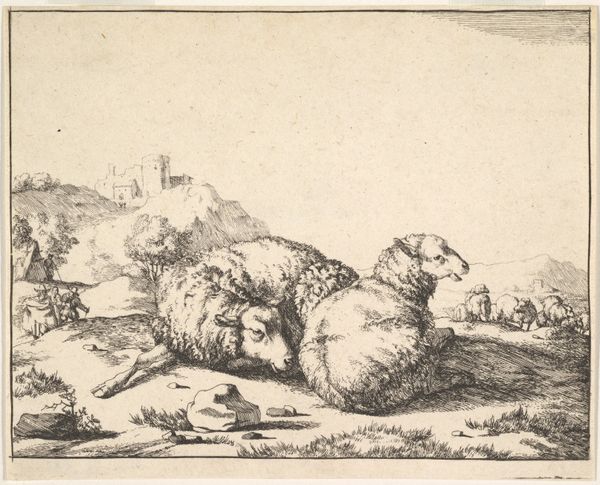
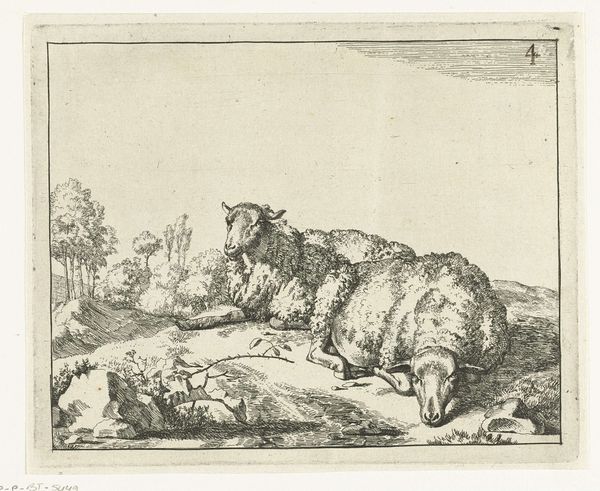
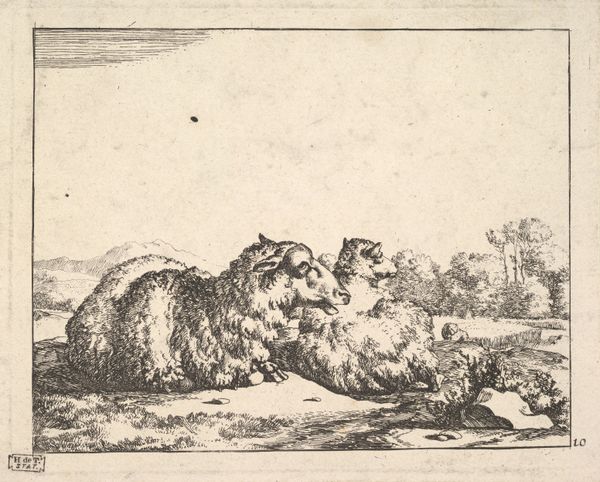
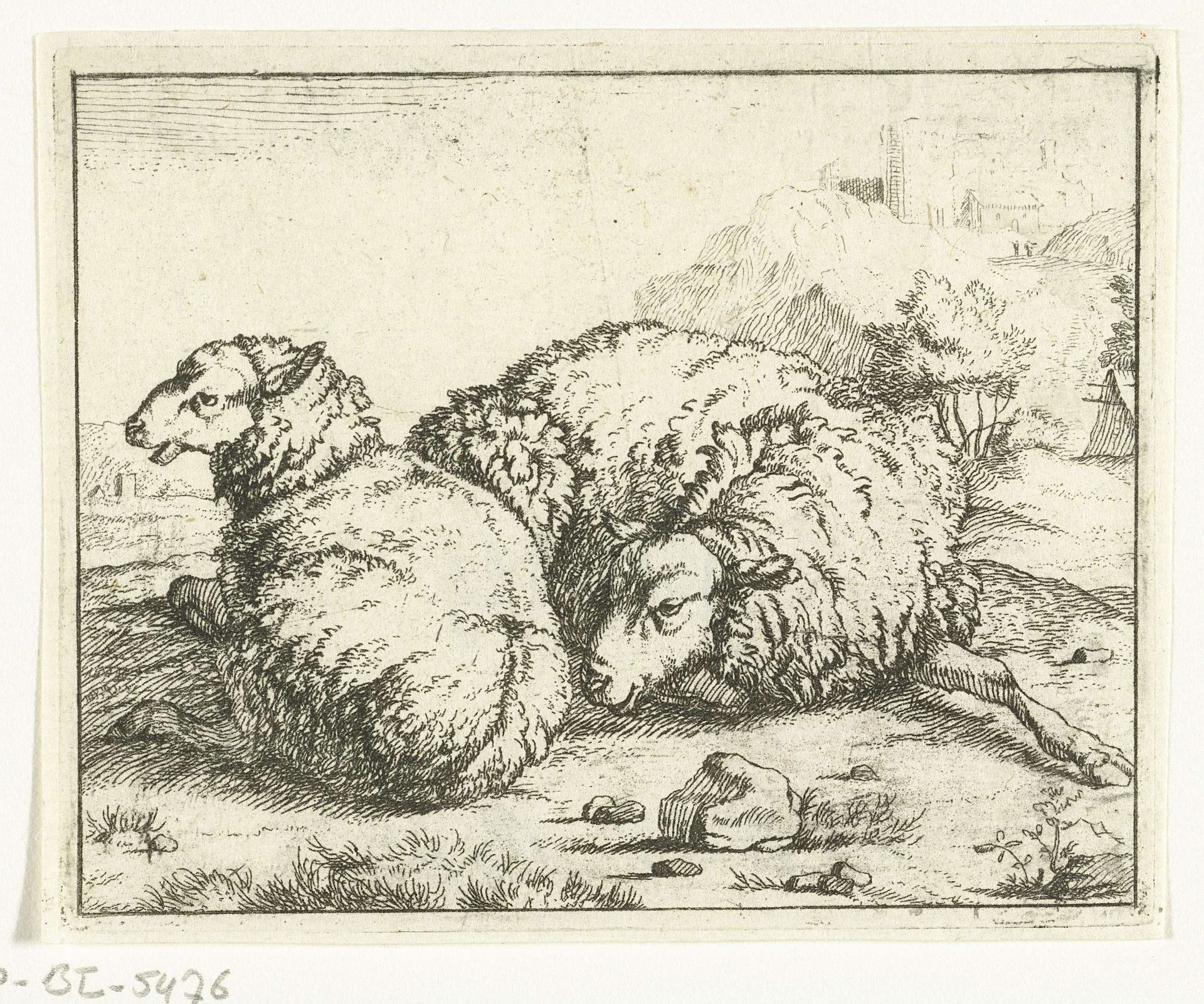
Twee liggende schapen, bergdorpje op achtergrond

Anonymous
@anonymousLocation
RijksmuseumListen to curator's interpretation
Curatorial notes
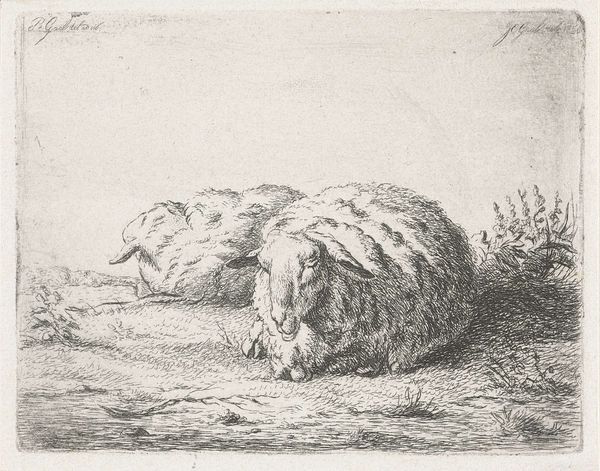
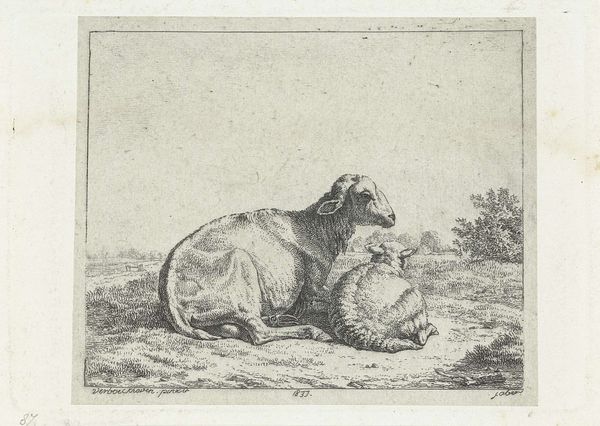
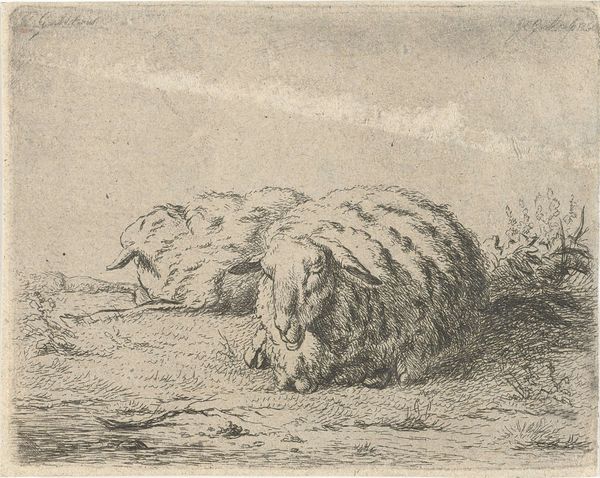
This small, anonymous etching on paper depicts two sheep reclining in a pasture, with a distant village hinting at human presence. The lack of information about the artist underscores a critical point: the social conditions that shape artistic production often leave many creators unrecorded by official institutions. In the absence of a clear signature, we can still explore the image's meaning through visual codes, cultural references, and historical associations. This genre scene, likely from the Dutch Golden Age, reflects the growing economic power of the Netherlands, where land and livestock were key components of wealth. The placid nature of the sheep could symbolize a conservative ideal of rural harmony. To truly understand this work, we'd need to consult period documents, economic records, and art market data. What was the status of the pastoral landscape in 17th-century Dutch art? Was this a conscious effort to promote certain social values? The answers lie in the rich context of its creation.