About this artwork
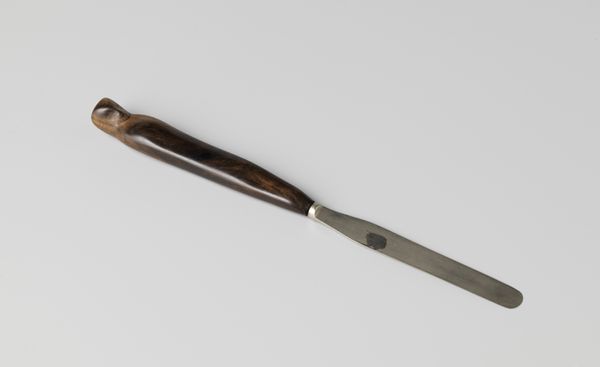
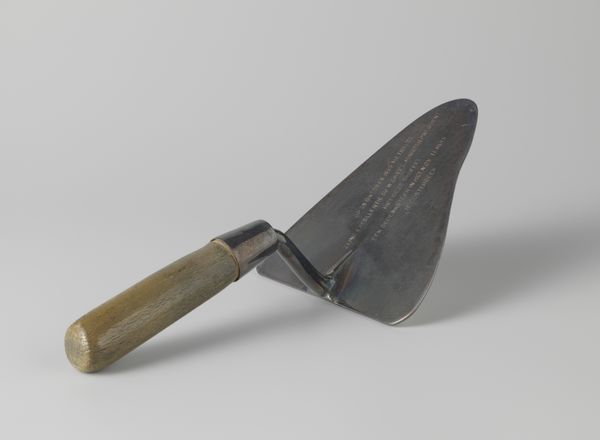
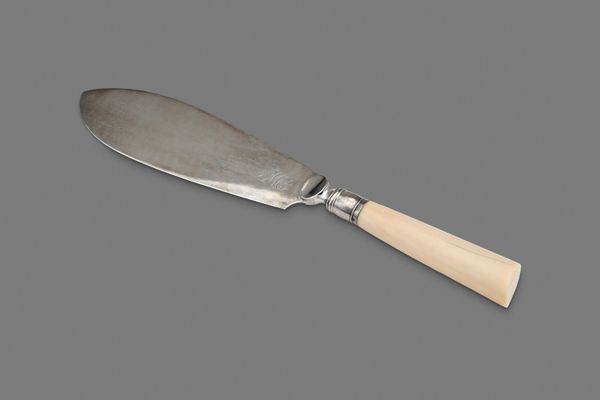
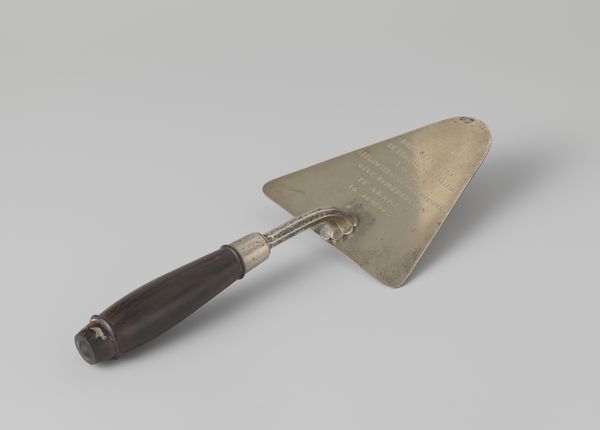
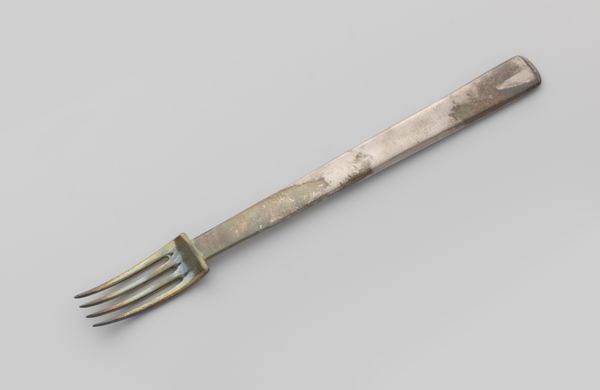
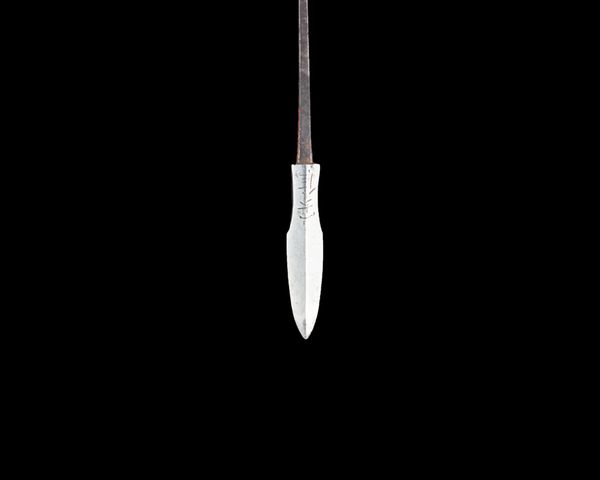
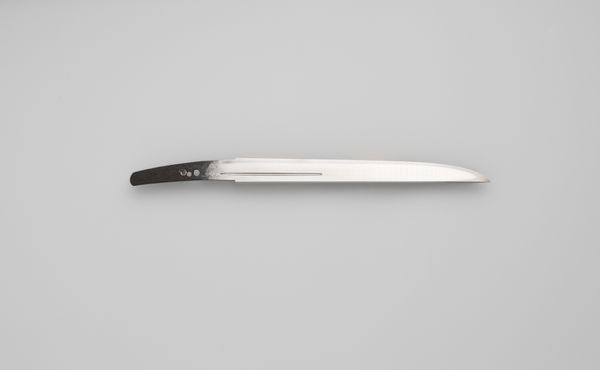
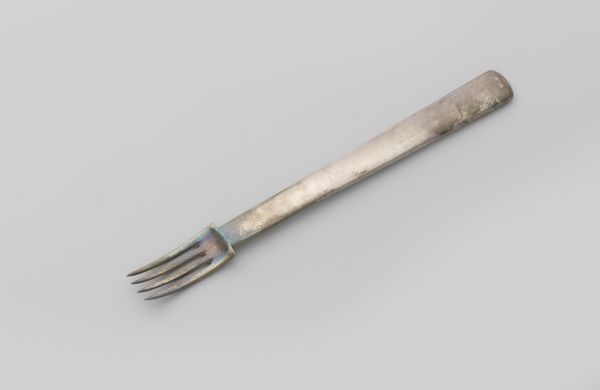
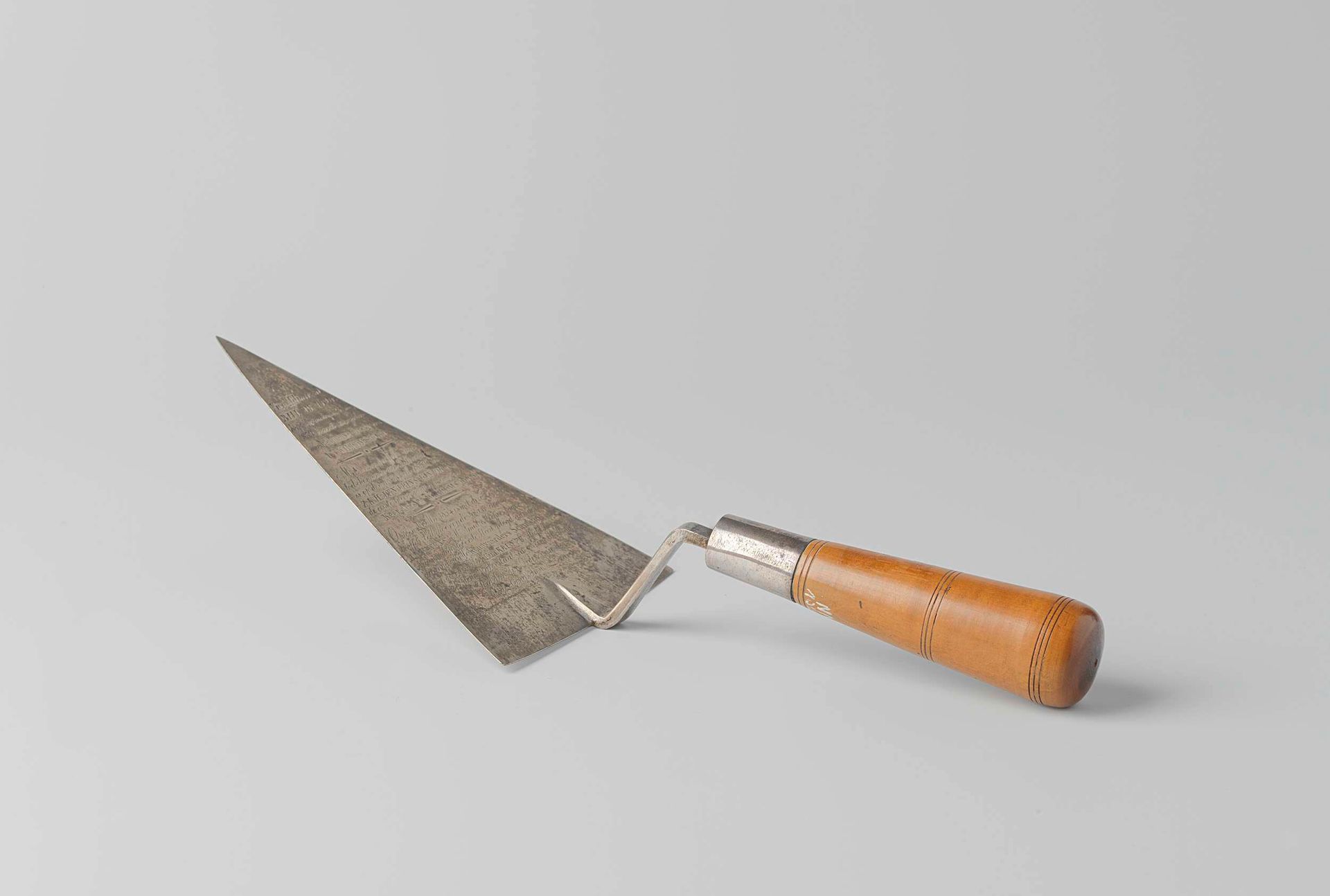
This trowel, designed by A. Leewens, was used in the Netherlands in the construction of several dockyards and sluices. It’s a simple tool, but the cultural resonance of laying a cornerstone should not be overlooked. The creation of infrastructure on this scale was a monumental undertaking and a symbol of national pride. It represented Dutch innovation, trade, and colonial power. The choice of a specific individual to lay the first stone was also symbolic, associating a figure of authority with the project and imbuing it with legitimacy. The engravings on the trowel are also key to understanding its cultural value, serving as a kind of commemorative plaque. Tools like this trowel offer a fascinating glimpse into the social conditions that shape a culture. By examining such objects, along with relevant documents, we can deepen our understanding of the complex relationship between art, labor, and national identity.
Troffel gebruikt bij het leggen der eerste stenen van het droogdok, de keersluis en zeedoksluis te Willemsoord en de Koopvaarders Schutsluis te Nieuwendiep
before 1854

Artwork details
- Medium
- metal, photography, wood
- Dimensions
- length 31 cm, width 10.4 cm
- Copyright
- Rijks Museum: Open Domain
Tags
Comments
Share your thoughts
About this artwork
This trowel, designed by A. Leewens, was used in the Netherlands in the construction of several dockyards and sluices. It’s a simple tool, but the cultural resonance of laying a cornerstone should not be overlooked. The creation of infrastructure on this scale was a monumental undertaking and a symbol of national pride. It represented Dutch innovation, trade, and colonial power. The choice of a specific individual to lay the first stone was also symbolic, associating a figure of authority with the project and imbuing it with legitimacy. The engravings on the trowel are also key to understanding its cultural value, serving as a kind of commemorative plaque. Tools like this trowel offer a fascinating glimpse into the social conditions that shape a culture. By examining such objects, along with relevant documents, we can deepen our understanding of the complex relationship between art, labor, and national identity.
Comments
Share your thoughts