About this artwork
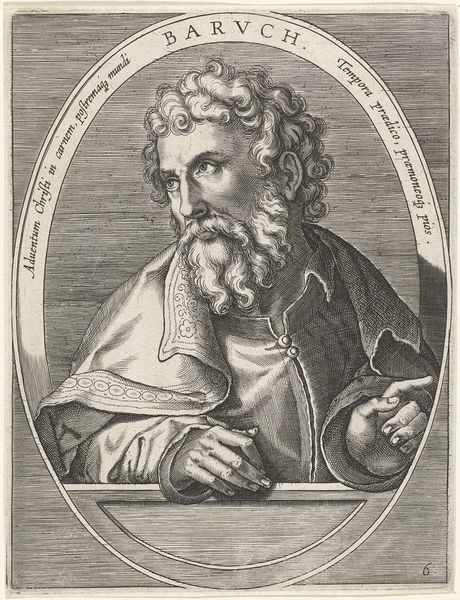
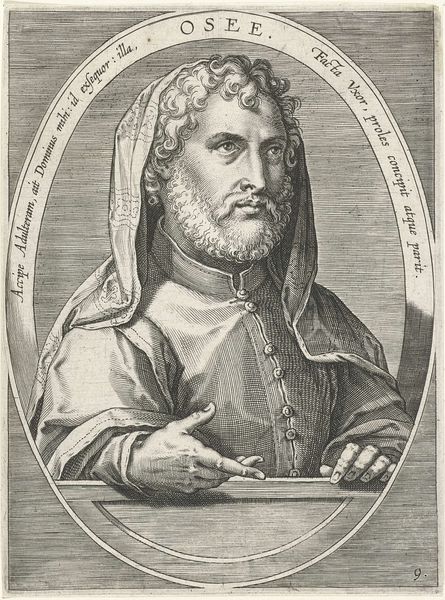
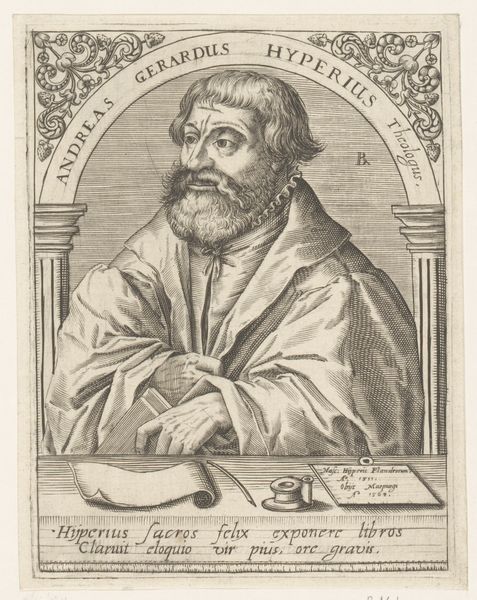
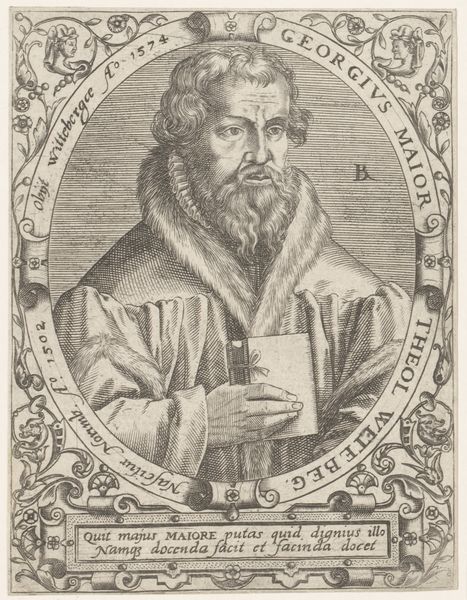
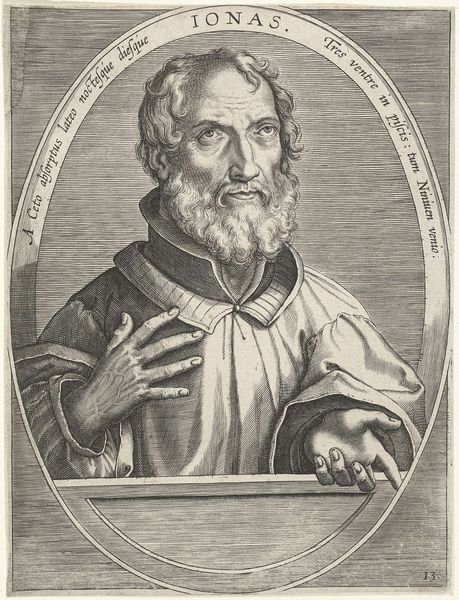
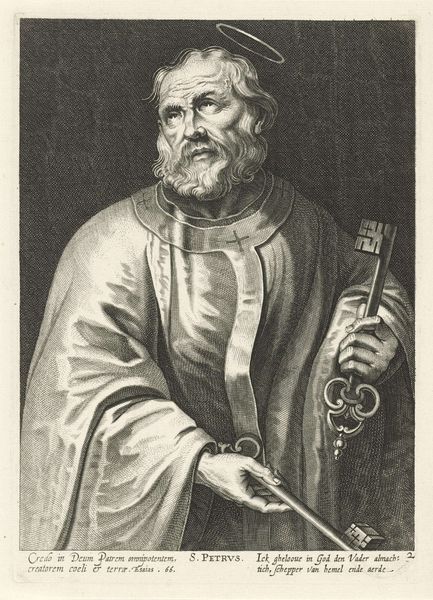
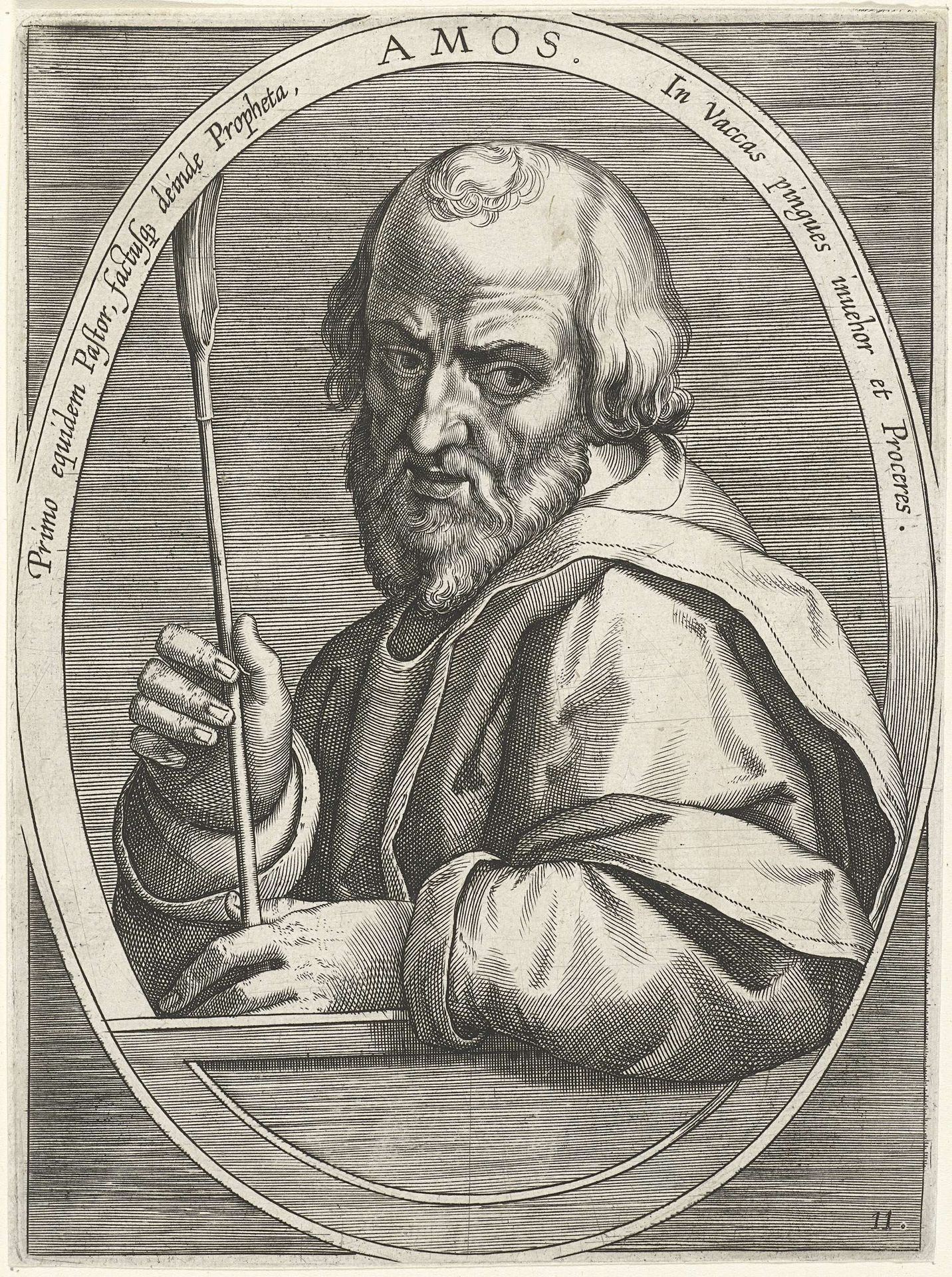
This engraving of ‘Amos’ was made by Cornelis Galle I, sometime between the late 16th and mid-17th century. An engraving such as this begins with a metal plate, usually copper. Using a tool called a burin, the artist carves lines directly into the surface. The depth and density of these lines determine the darkness of the printed image. This is a skilled process requiring immense precision. Note the incredible detail of the face and drapery, all rendered through tiny variations in line. The act of printing adds another layer to our understanding. Ink is applied to the plate, then wiped away, remaining only in the incised lines. Damp paper is laid on top, and then run through a press under great pressure, transferring the image. The final print is, in effect, a product of industrial labor. By considering this image through its making, we recognize that even a devotional image bears the traces of craft and the burgeoning forces of production.

Artwork details
- Medium
- print, engraving
- Dimensions
- height 170 mm, width 127 mm
- Location
- Rijksmuseum
- Copyright
- Rijks Museum: Open Domain
Tags
Comments
Share your thoughts
About this artwork
This engraving of ‘Amos’ was made by Cornelis Galle I, sometime between the late 16th and mid-17th century. An engraving such as this begins with a metal plate, usually copper. Using a tool called a burin, the artist carves lines directly into the surface. The depth and density of these lines determine the darkness of the printed image. This is a skilled process requiring immense precision. Note the incredible detail of the face and drapery, all rendered through tiny variations in line. The act of printing adds another layer to our understanding. Ink is applied to the plate, then wiped away, remaining only in the incised lines. Damp paper is laid on top, and then run through a press under great pressure, transferring the image. The final print is, in effect, a product of industrial labor. By considering this image through its making, we recognize that even a devotional image bears the traces of craft and the burgeoning forces of production.
Comments
Share your thoughts