c. 1939
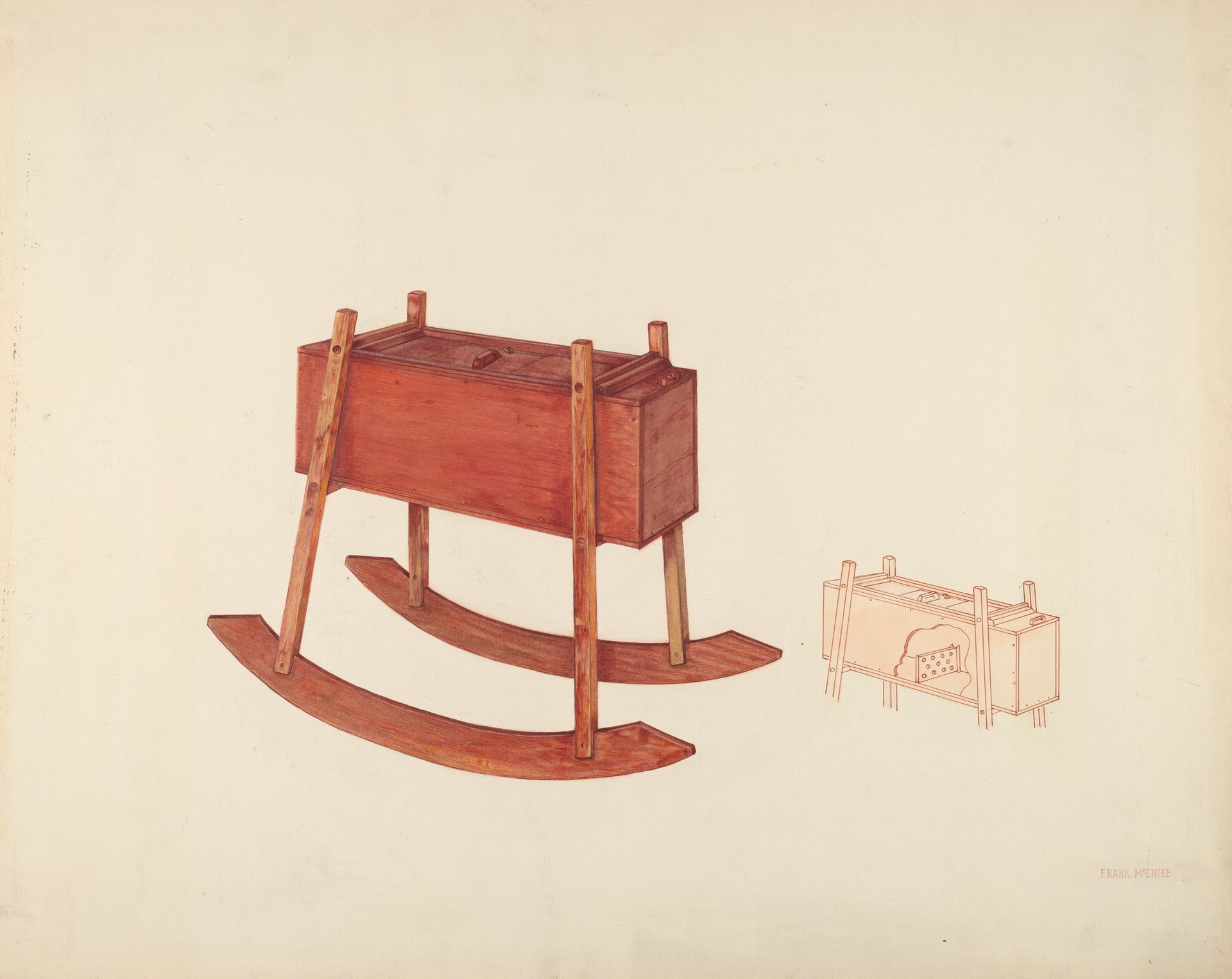
Churn (Rocker Type)


Listen to curator's interpretation
Curatorial notes
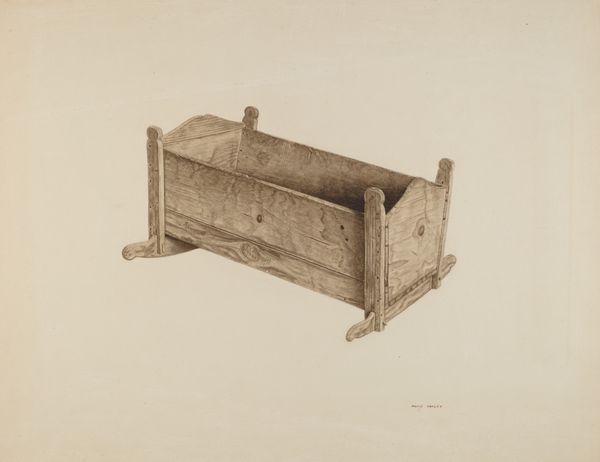
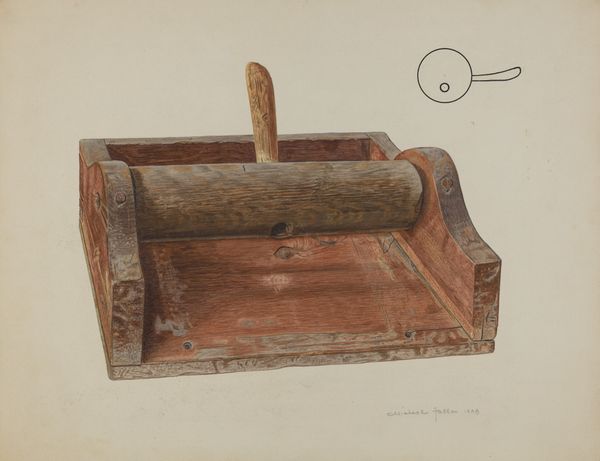
Frank McEntee's "Churn (Rocker Type)" meticulously renders a simple, yet evocative, object of labor in watercolor. The churn, elevated on rockers, speaks to a time when daily life was intimately connected to physical work and sustenance. Consider the rocking motion: repeated, rhythmic, inducing a trance-like state that transcends mere utility. We find echoes of this in the lullabies hummed over cradles, their gentle sway a promise of peace. The act of churning becomes a ritual, much like the cyclical nature of life and death. In ancient Greece, the rocking of a cradle was often associated with the Fates, goddesses who determined the course of human destiny. The same rhythmic movement, intended to nurture, also evokes the relentless march of time. This duality – comfort and inevitability – is a potent reminder of our shared human experience, connecting us to countless generations who have sought solace in the repetition of simple tasks. The churn is a vessel of transformation but also a reminder of life’s cyclical nature, of the eternal return.