About this artwork
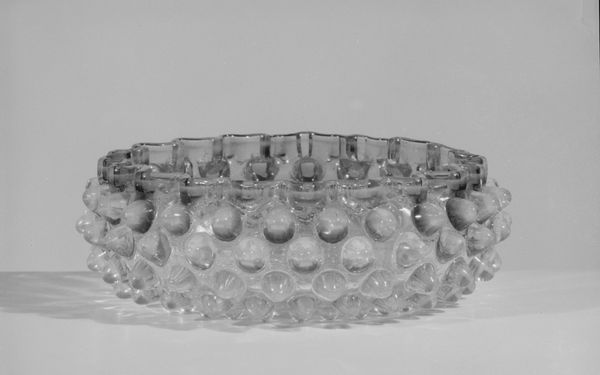
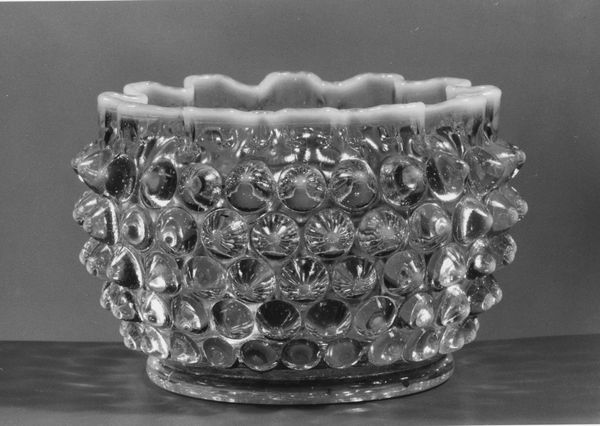
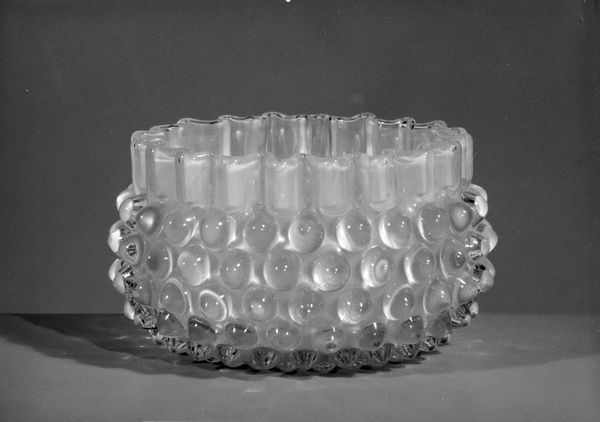
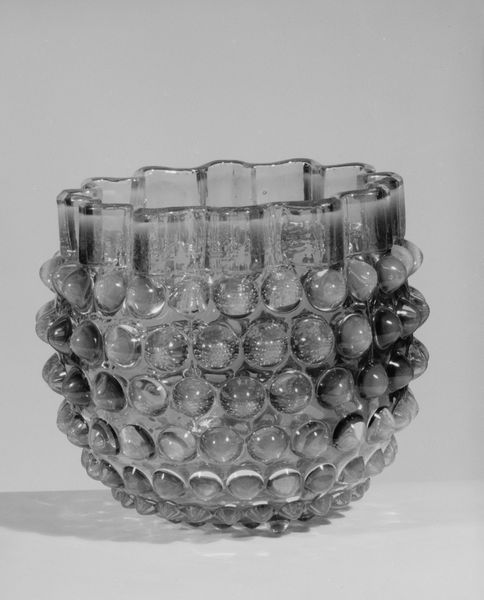
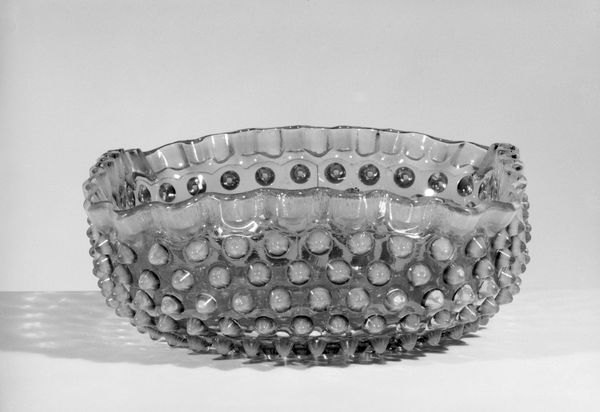
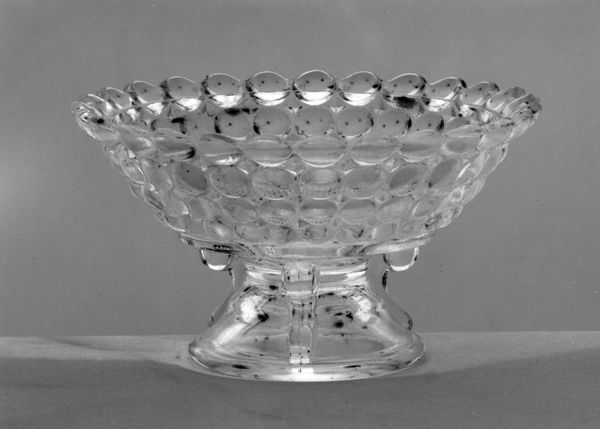
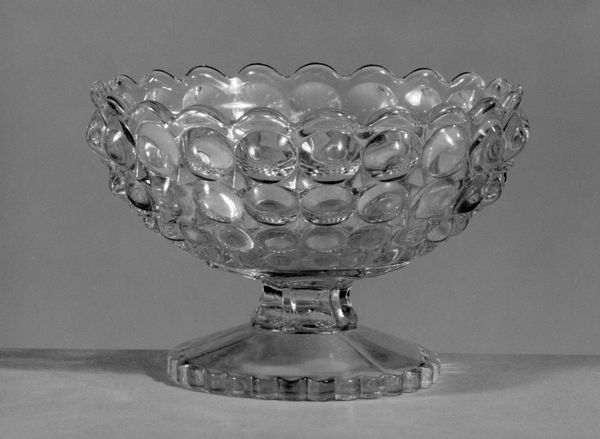
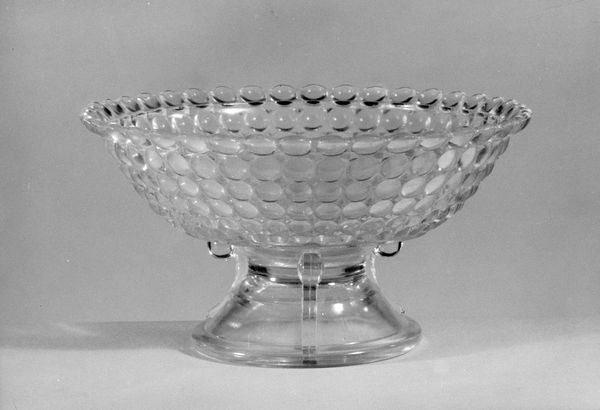
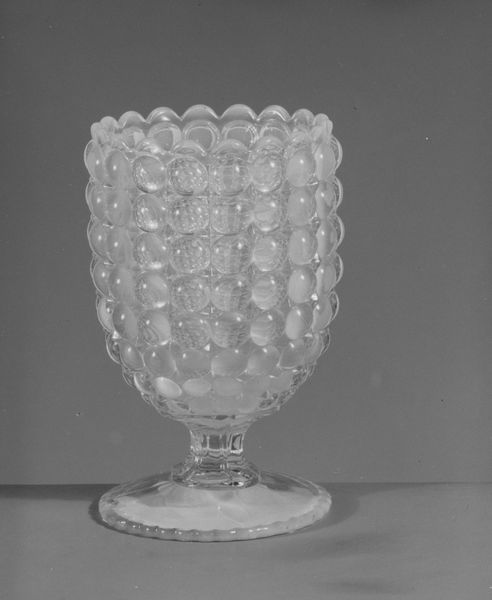
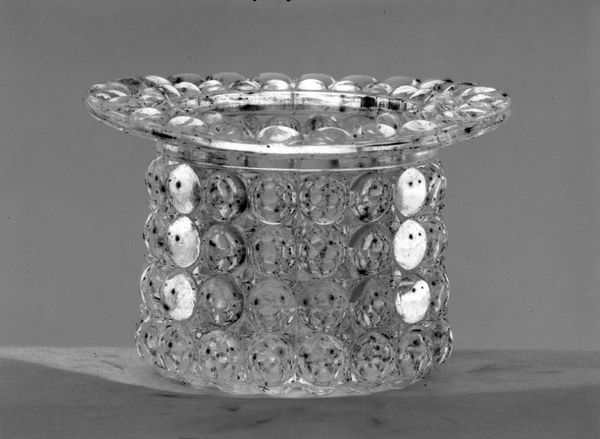
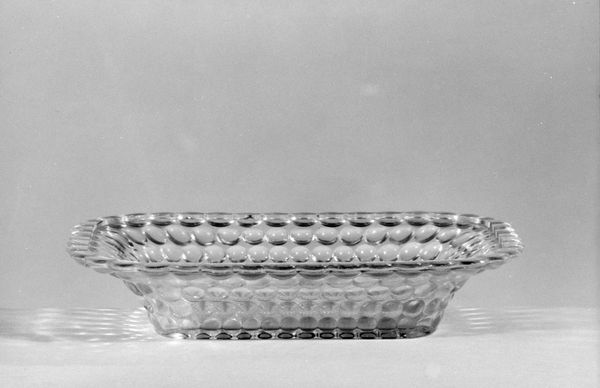
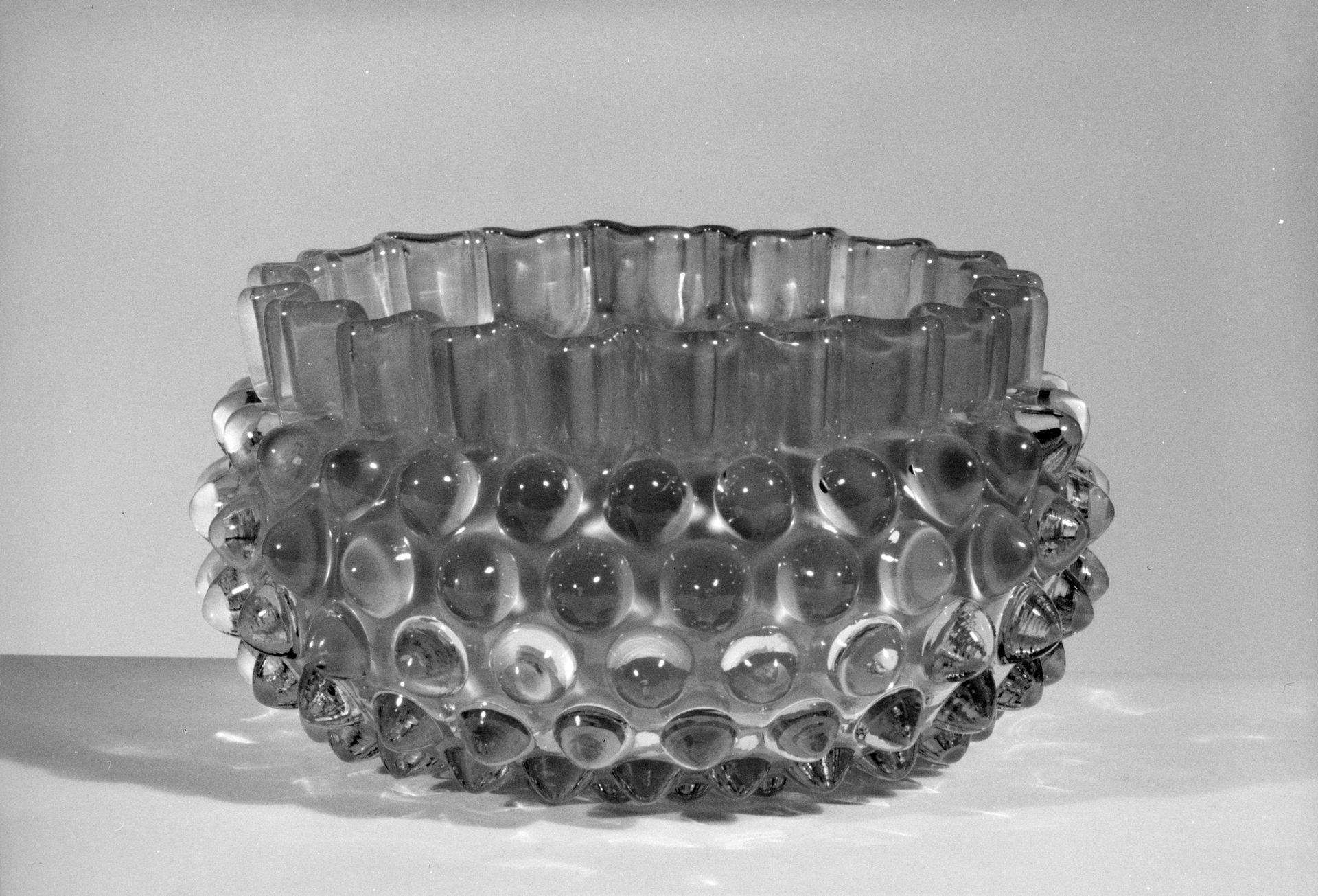
This finger bowl was made by Hobbs, Brockunier and Company sometime between 1863 and 1891, when the company closed its doors. It's made of pressed glass, a process by which molten glass is forced into a mold using a mechanical plunger. The raised hobnail pattern is created in this pressing process, giving a tactile, almost organic quality to an otherwise mass-produced object. Because of the industrialization of glassmaking in the nineteenth century, bowls like these became more affordable for a wider segment of the population. It represents a significant shift in the way decorative objects were made and consumed. It may have been a luxury item, but one made for the middle classes. We can see the tensions between handcraft and industrial production, affordability, and aesthetics. So next time you see pressed glass, think about the skilled labor and complex machinery involved in its creation.
Hobnail Finger Bowl
1887 - 1896

Hobbs, Brockunier and Company
1863 - 1891
The Metropolitan Museum of Art
Metropolitan Museum of Art, New York, NYArtwork details
- Medium
- glass, sculpture
- Dimensions
- H. 2 5/8 in. (6.7 cm); Diam. 5 in. (12.7 cm)
- Location
- Metropolitan Museum of Art, New York, NY
- Copyright
- Public Domain
Tags
Comments
Share your thoughts
About this artwork
This finger bowl was made by Hobbs, Brockunier and Company sometime between 1863 and 1891, when the company closed its doors. It's made of pressed glass, a process by which molten glass is forced into a mold using a mechanical plunger. The raised hobnail pattern is created in this pressing process, giving a tactile, almost organic quality to an otherwise mass-produced object. Because of the industrialization of glassmaking in the nineteenth century, bowls like these became more affordable for a wider segment of the population. It represents a significant shift in the way decorative objects were made and consumed. It may have been a luxury item, but one made for the middle classes. We can see the tensions between handcraft and industrial production, affordability, and aesthetics. So next time you see pressed glass, think about the skilled labor and complex machinery involved in its creation.
Comments
Share your thoughts