Annual report of the Forest Commission of the State of New York for the year ending December 31, 1891 1892
0:00
0:00

graphic-art, print, paper, typography
#
graphic-art
#
aged paper
#
homemade paper
#
paper non-digital material
#
script typography
#
paperlike
# print
#
personal journal design
#
paper texture
#
paper
#
typography
#
folded paper
#
delicate typography
#
letter paper
Dimensions: height 234 mm, width 144 mm, thickness 33 mm
Copyright: Rijks Museum: Open Domain
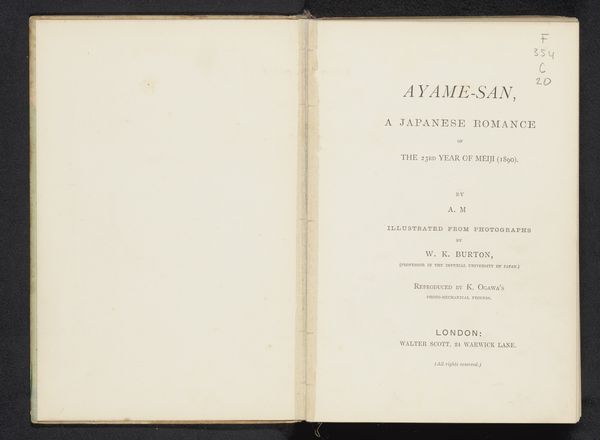
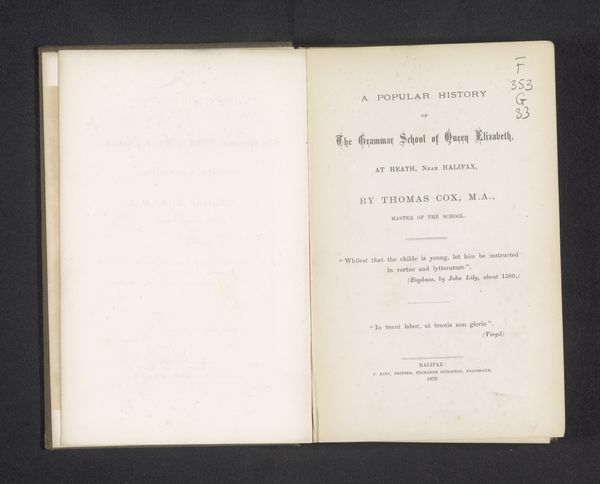
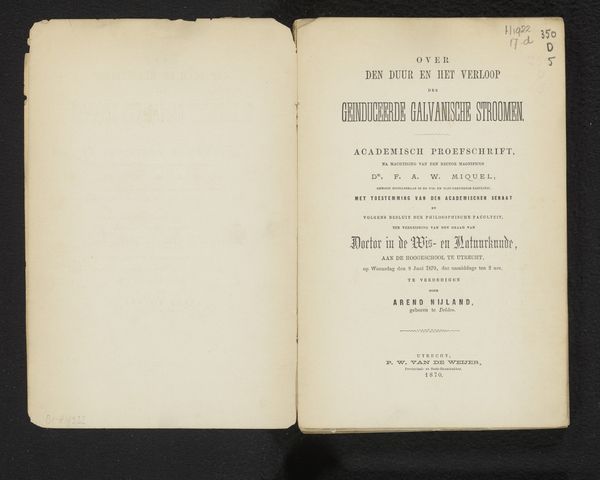
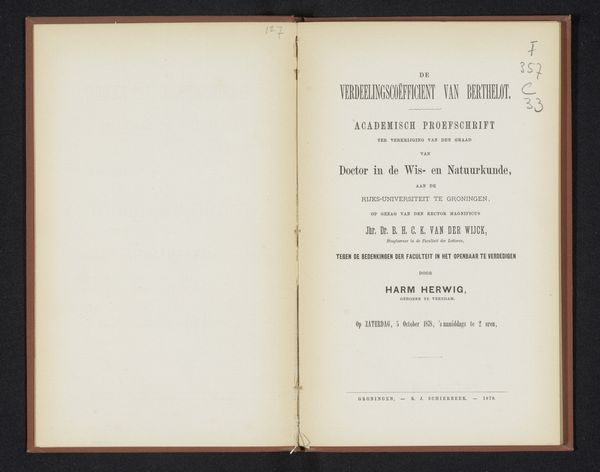
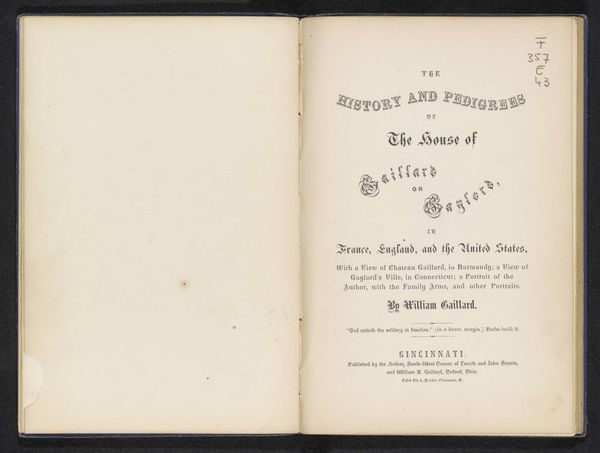
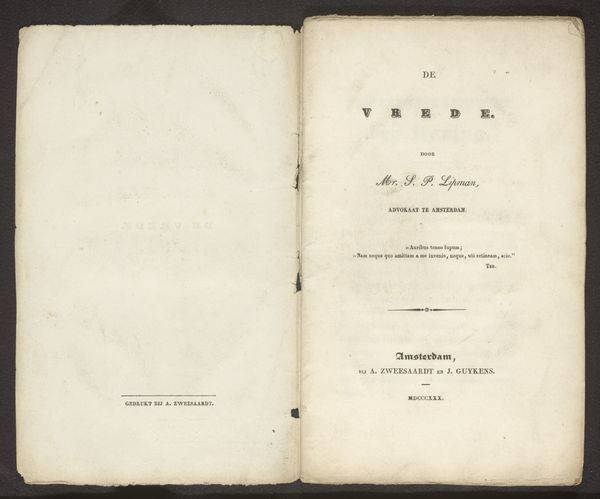
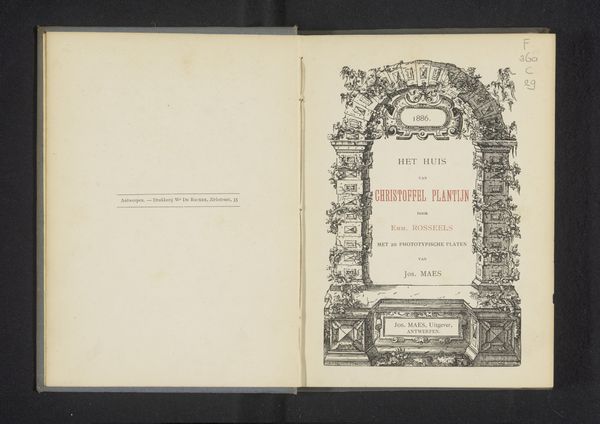
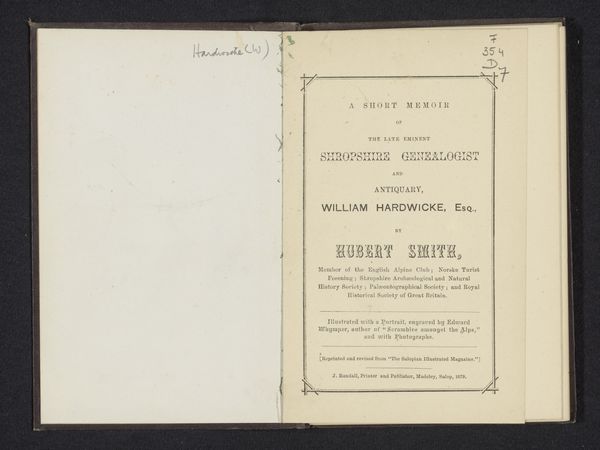
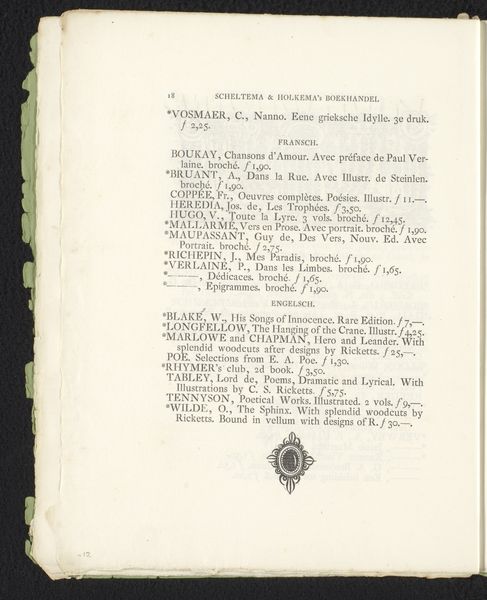
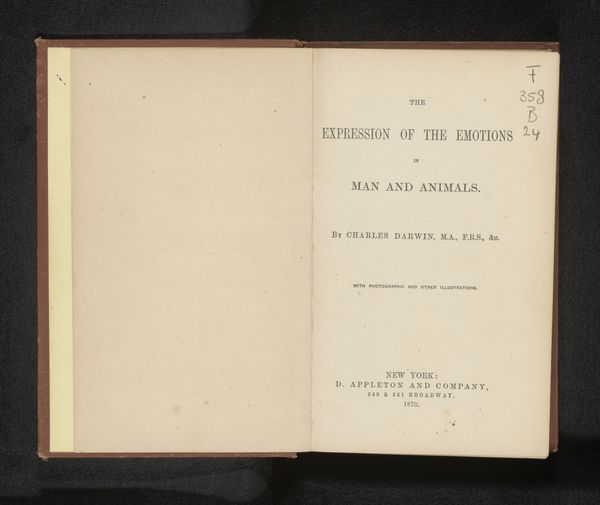
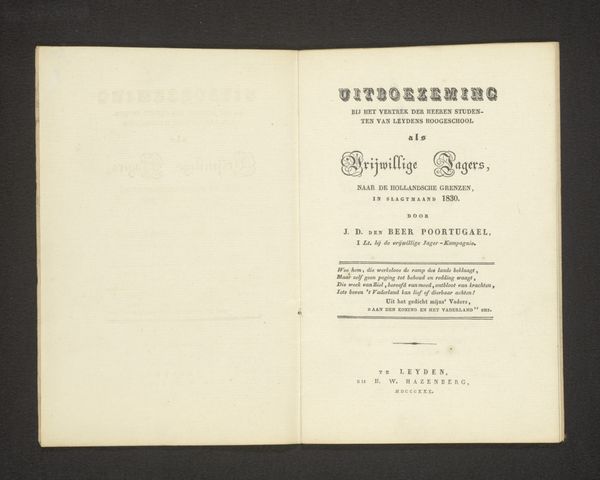
Editor: We’re looking at the "Annual report of the Forest Commission of the State of New York for the year ending December 31, 1891," printed in 1892. The stark contrast of the black ink on the aged paper creates a real sense of age and formality. It seems very concerned with layout and typesetting as compositional elements. What jumps out at you, in terms of its form? Curator: The composition’s reliance on hierarchical typography is quite compelling. Note the varying font sizes and weights, employed to visually delineate the institutional structure—from the overarching "State of New York" to the specific commissioners. Observe, too, the deliberate use of white space. Does this negative space contribute to a feeling of order, or does it imply a void, perhaps reflecting the vastness of the forests under consideration? Editor: I think the white space emphasizes order. But there's something almost... fragile about the delicate typography. Curator: Precisely. Consider the material reality of the piece: paper, ink, the printing press. These elements, through their specific deployment, contribute to a delicate balance between authority and ephemerality. The very act of printing this report implies a desire for permanence, yet the paper itself hints at inevitable decay. Can you identify any specific textual elements that reinforce this sense of authority? Editor: The formal language used in the letter definitely adds to that authoritative feel. Curator: Indeed. Language and form coalesce to produce a very particular effect. Consider the geometric structure achieved by formatting of the text which may point toward the organization of thoughts that drove ecological pursuits in this area. Editor: It's interesting to consider how the physical attributes of this printed document relate to the themes it presents. It's making me rethink how I approach typography as art! Curator: Precisely. Close visual analysis coupled with theoretical considerations, allows us access into historical considerations to develop our artistic engagement.
Comments
No comments
Be the first to comment and join the conversation on the ultimate creative platform.
 Collect
 React
React Comment
More like this