About this artwork
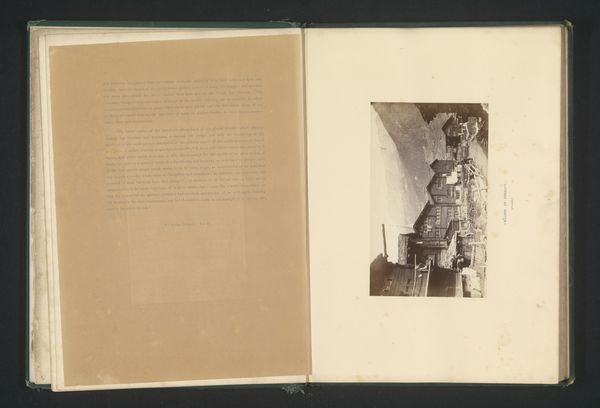
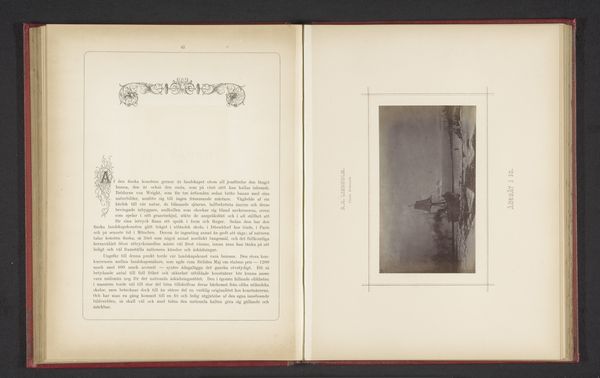
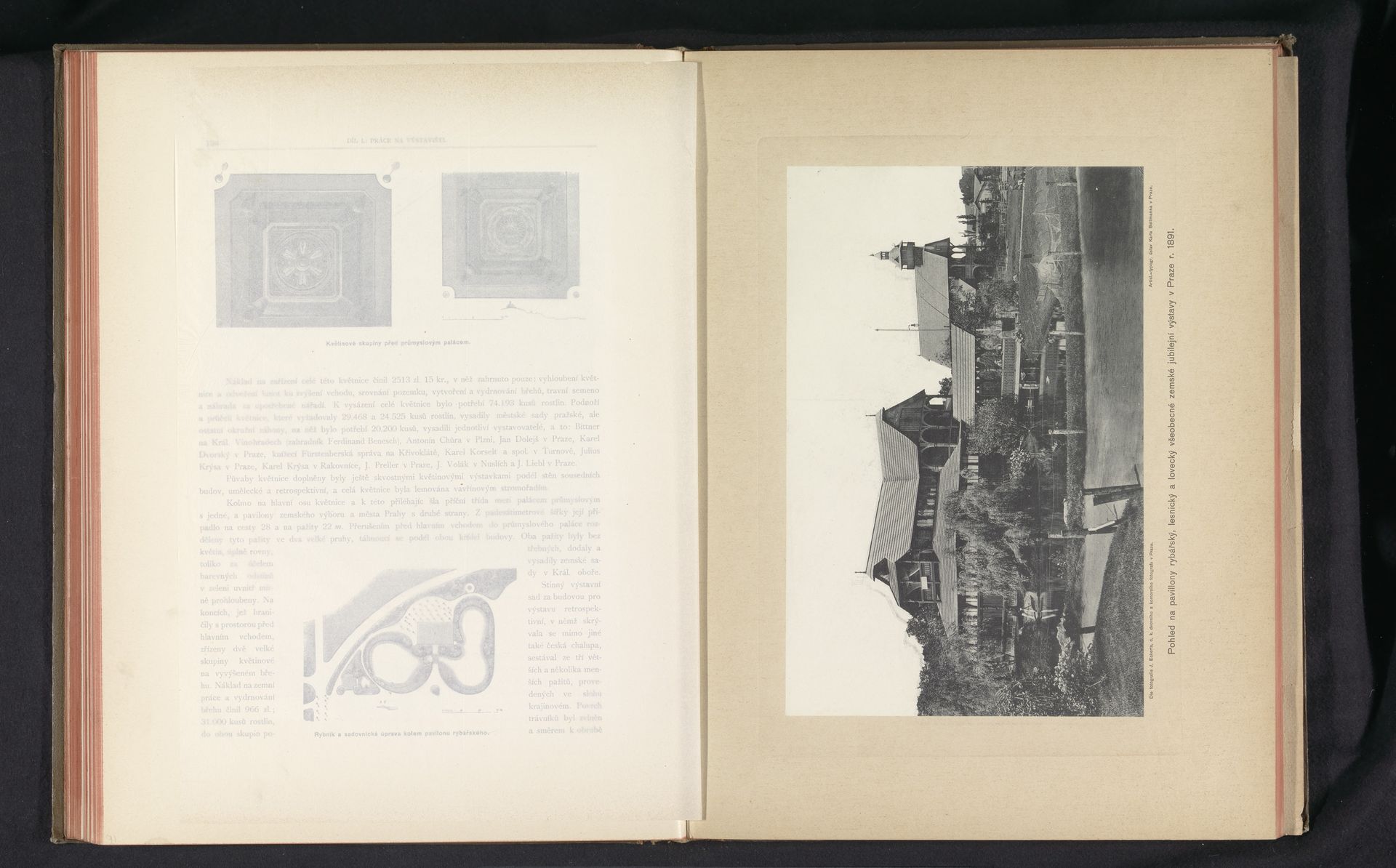
J. Eckert created this image of the Exterior of the Pavilion for Fisheries, Hunting, and Forestry in Prague. The image offers a glimpse into the cultural values and economic activities valued in Czech society. Pavilions like this at exhibitions celebrated industries tied to the land and natural resources. This was a time of rising nationalism across Europe, and such pavilions would have been stages for displaying national identity and economic prowess. These industries – fisheries, hunting, and forestry – traditionally intersect with gender and class. Hunting and forestry were historically associated with aristocratic land ownership and male dominance, while fishing often involved working-class communities. The pavilion thus becomes a symbolic space where these different social strata and gender roles meet, each contributing to the national narrative. What stories are told, and whose stories are left out? These spaces shape how society sees itself and its relationship to the land.

Artwork details
- Medium
- print, photography, architecture
- Dimensions
- height 173 mm, width 262 mm
- Copyright
- Rijks Museum: Open Domain
Tags
Comments
Share your thoughts
About this artwork
J. Eckert created this image of the Exterior of the Pavilion for Fisheries, Hunting, and Forestry in Prague. The image offers a glimpse into the cultural values and economic activities valued in Czech society. Pavilions like this at exhibitions celebrated industries tied to the land and natural resources. This was a time of rising nationalism across Europe, and such pavilions would have been stages for displaying national identity and economic prowess. These industries – fisheries, hunting, and forestry – traditionally intersect with gender and class. Hunting and forestry were historically associated with aristocratic land ownership and male dominance, while fishing often involved working-class communities. The pavilion thus becomes a symbolic space where these different social strata and gender roles meet, each contributing to the national narrative. What stories are told, and whose stories are left out? These spaces shape how society sees itself and its relationship to the land.
Comments
Share your thoughts