19th-20th century
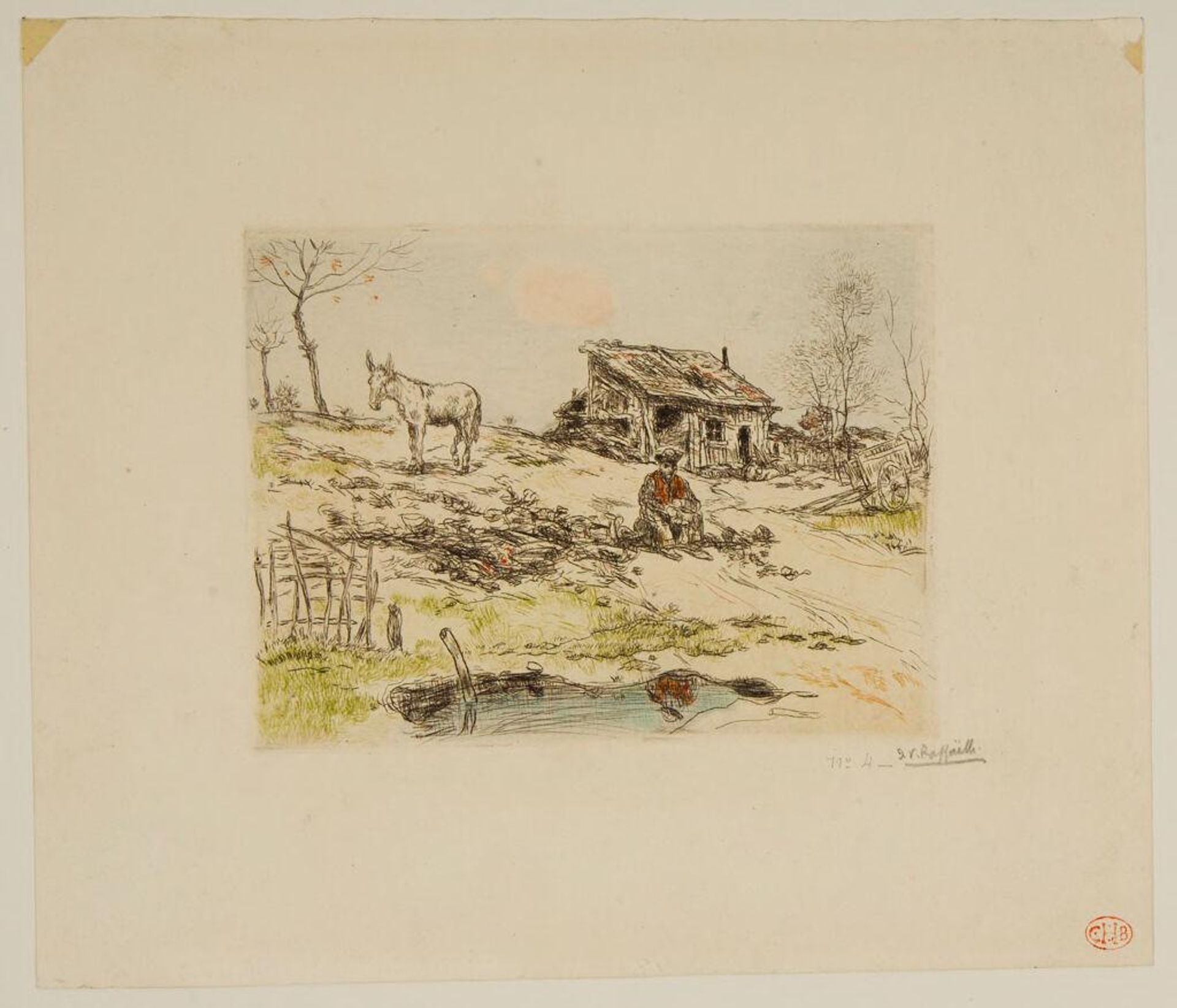
The Ragpicker's Shack

Listen to curator's interpretation
Curatorial notes
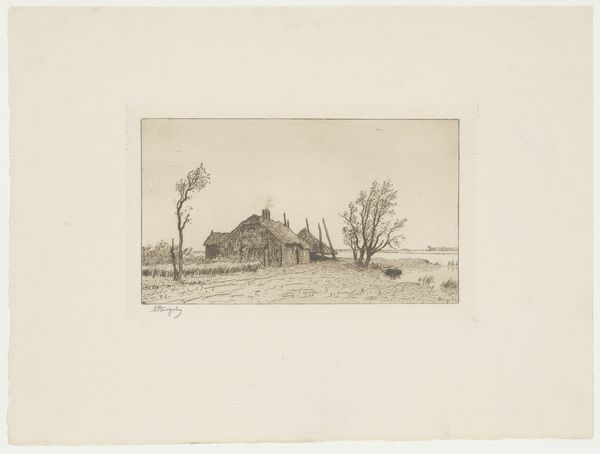
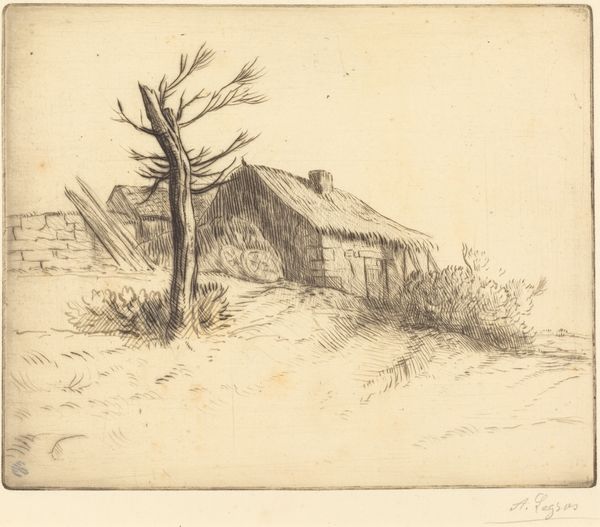
Curator: Looking at Raffaelli’s "The Ragpicker’s Shack," I'm struck by how the artist captures a specific social reality. It’s a glimpse into the lives of those marginalized by society. Editor: The overall impression is one of melancholy; the muted palette and slumped figure near the run-down shack suggest hardship, and a kind of resignation. The donkey is a traditional symbol of servitude. Curator: Exactly. The shack itself, barely standing, speaks volumes about economic disparity and the lack of social safety nets for these workers. He is a forgotten member of society. Editor: And the small pool of water in the foreground could be a symbol of lost hope, a well that has run dry. Perhaps the muted sky is a symbol of the sun never shining upon the forgotten man. Curator: It challenges the romanticized depictions of rural life that were so common at the time, doesn't it? This image forces us to confront uncomfortable truths about class and labor. Editor: I agree. The image lingers uncomfortably in my mind, a testament to the power of symbols to evoke complex emotions and social critique.