1460
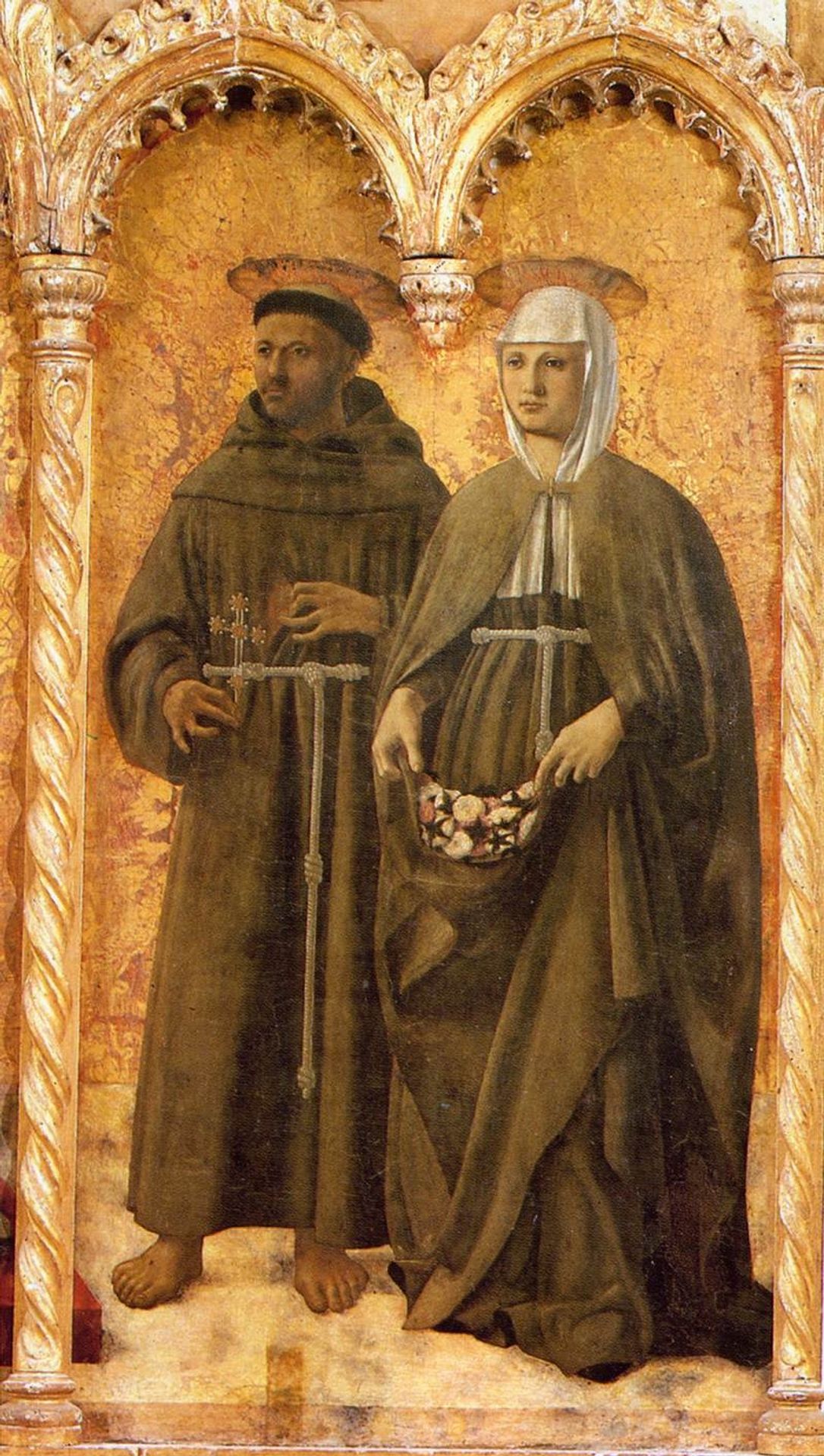
St. Francis and St. Elizabeth

Piero della Francesca
1412 - 1492Location
National Gallery of Umbria (Palazzo dei Priori), Perugia, ItalyListen to curator's interpretation
Curatorial notes
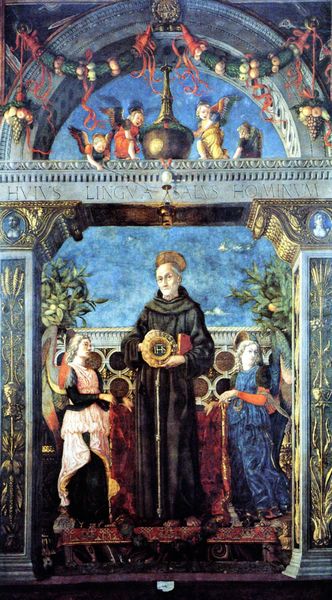
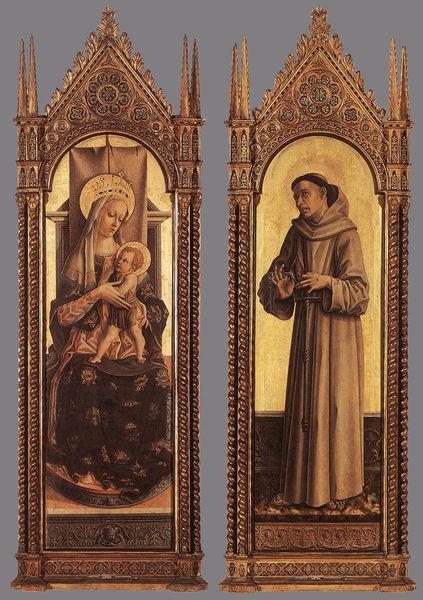
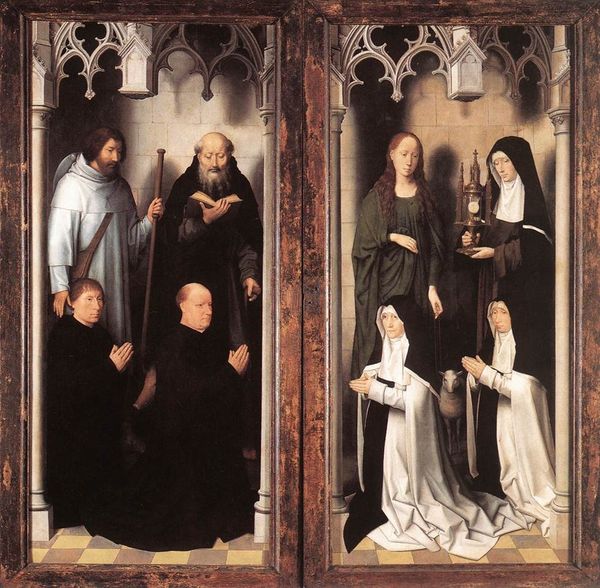
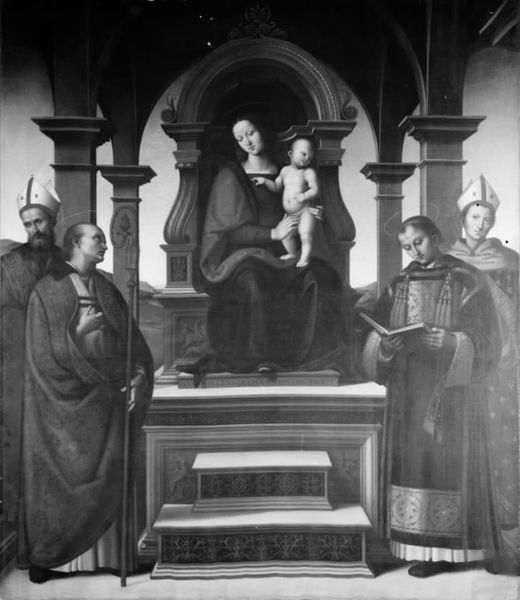
Piero della Francesca painted St. Francis and St. Elizabeth with tempera on wood, a common practice for altarpieces at the time. But consider how the material nature of this work informs its meaning. The smooth, almost porcelain-like surfaces speak to the artist’s mastery of the medium. Tempera, made from egg yolk, demands a meticulous, layered application. Think about the labor involved. Each layer requires patience, precision, and a deep understanding of the materials at hand. This painting, with its tranquil depiction of saints, reflects a culture deeply rooted in craftsmanship. It’s a testament to the value placed on skilled handwork during the Renaissance. The gold leaf, another meticulously applied material, not only adds to the painting's aesthetic value but also signifies wealth and status, reflecting the patronage system that supported artists like Piero della Francesca. Looking at this work, we can appreciate how much the materials and making are tied to wider social issues of labor, politics, and consumption. It challenges any strict divide between art and craft.