1968
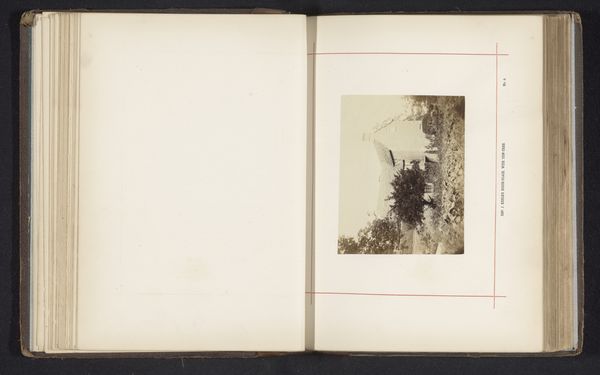
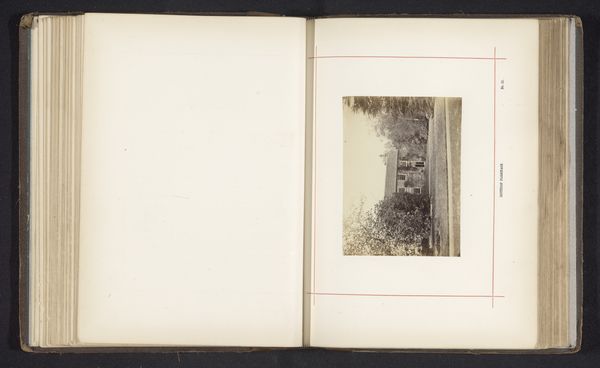
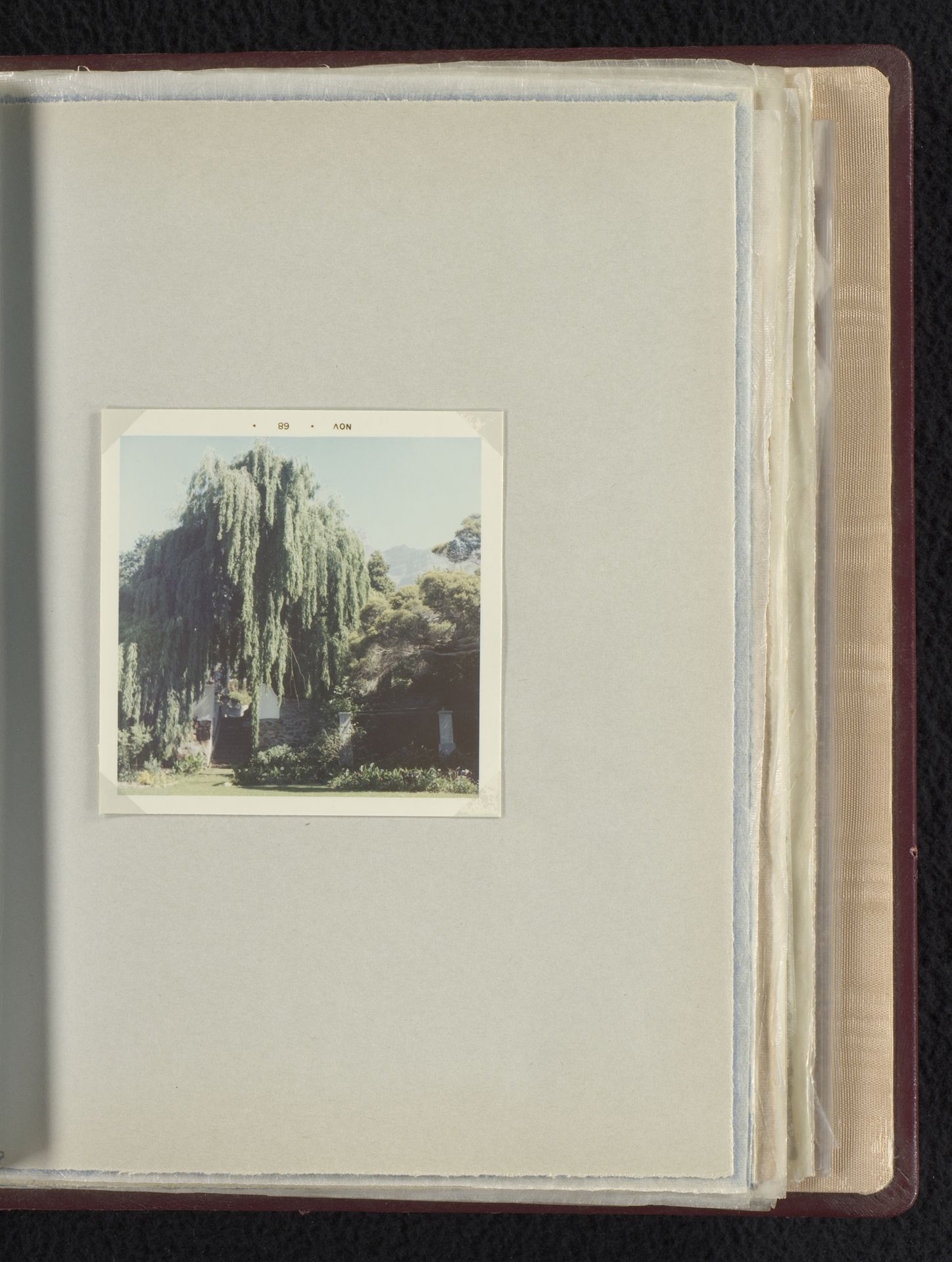
Wijngaard Waterhof in Kaapstad

Listen to curator's interpretation
Curatorial notes
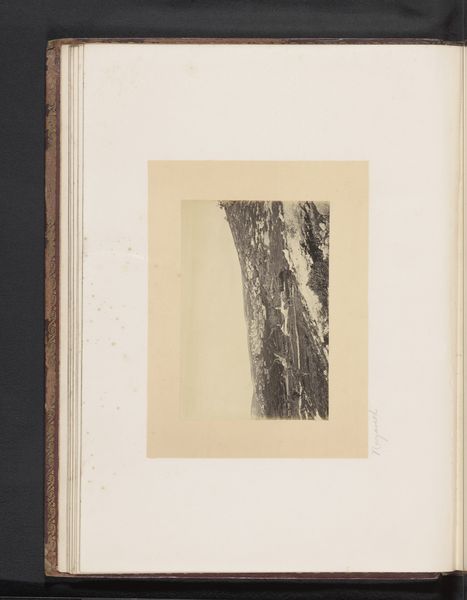
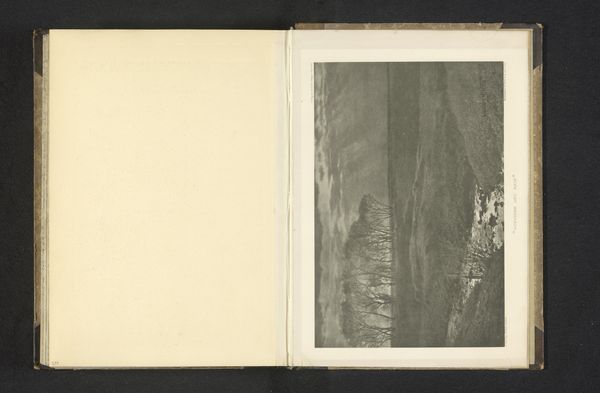
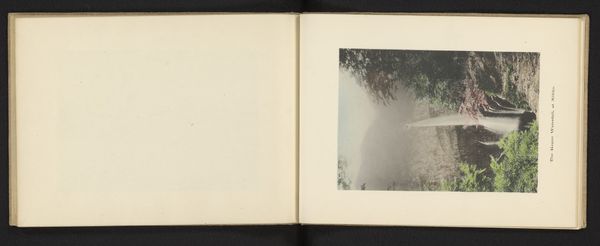
Editor: Here we have Willem Jacob van den Berg's "Wijngaard Waterhof in Kaapstad" from 1968. It looks like a photograph, carefully pasted into a personal sketchbook. It’s quaint, almost nostalgic. What do you see when you look at it? Curator: What strikes me is the quiet colonialism embedded in this landscape, doesn’t it? It depicts a vineyard, Waterhof, in Cape Town, and we must consider whose labor built and maintained that landscape, especially in 1968 during Apartheid. Editor: That's a great point. I was caught up in the aesthetic of it, the willow tree, the way the colours are slightly faded, but I didn’t immediately consider the political implications. Curator: It's easy to overlook the systemic inequalities embedded in these seemingly "innocent" scenes. Consider how the romantic gaze often obscures the realities of power. This picturesque vineyard masks a history of land dispossession and racial oppression, wouldn't you agree? Editor: So, viewing it through that lens, it becomes a commentary, even if unintentional, on the disparities of wealth and privilege present in South Africa at the time? Curator: Precisely. The photograph's existence within a "personal sketchbook" further complicates it. Whose personal experiences are being documented, and at whose expense? It prompts us to question whose stories are told and whose are silenced. Editor: This gives me so much to think about; it's more than just a pretty landscape photo. I am struck by the hidden narrative. Curator: Indeed, the image serves as a reminder that art and history are deeply intertwined. Looking critically, we begin to discern its meaning through its cultural and political implications.