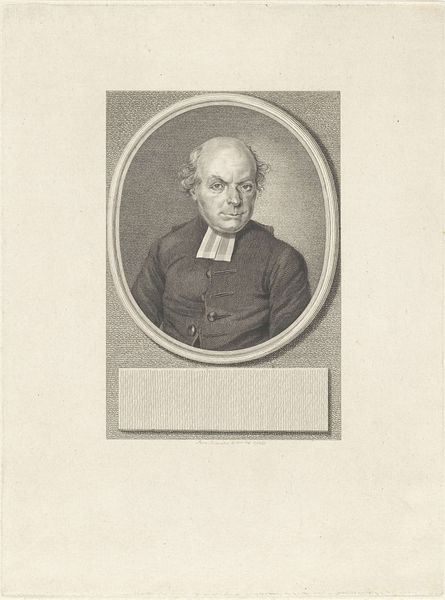
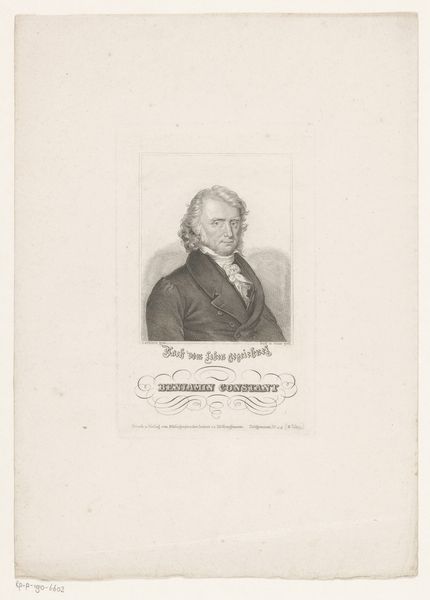
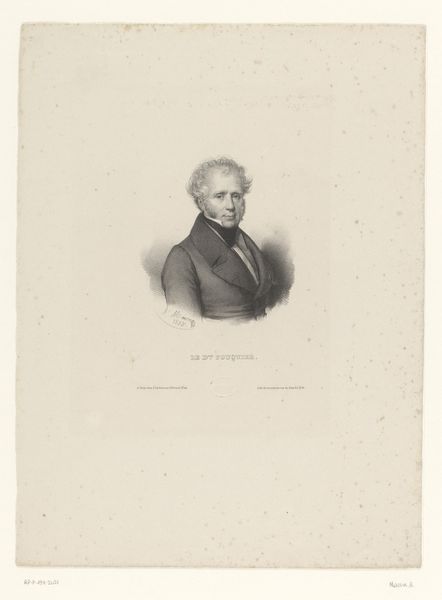
print, engraving
#
portrait
#
neoclacissism
# print
#
engraving
Dimensions: height 233 mm, width 155 mm
Copyright: Rijks Museum: Open Domain
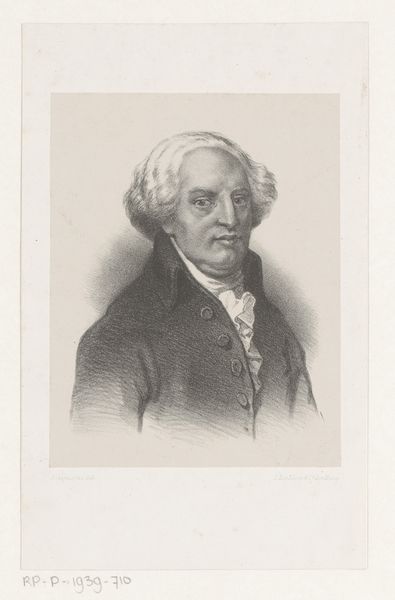
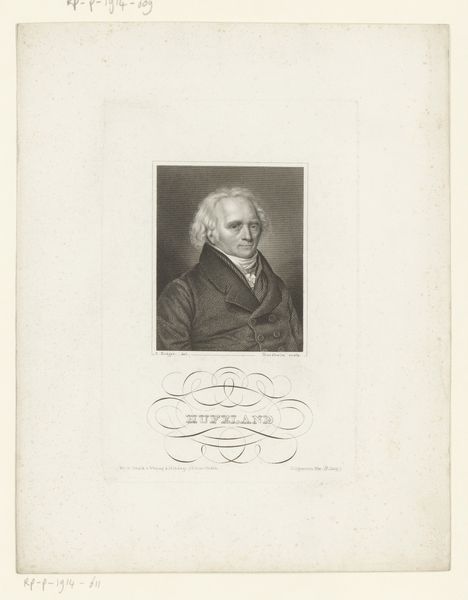
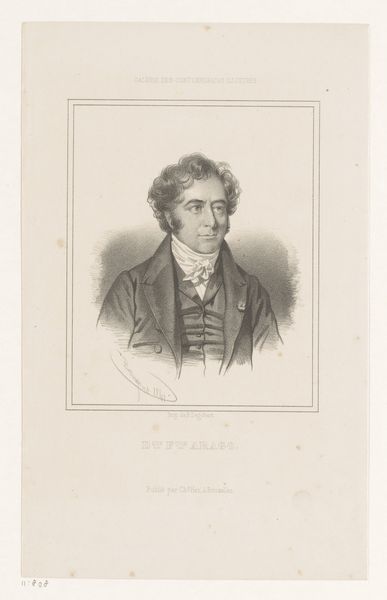
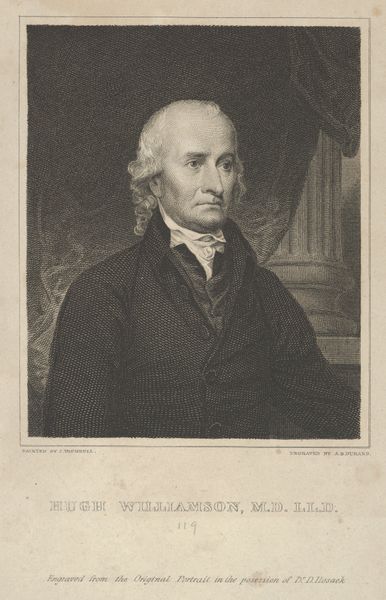
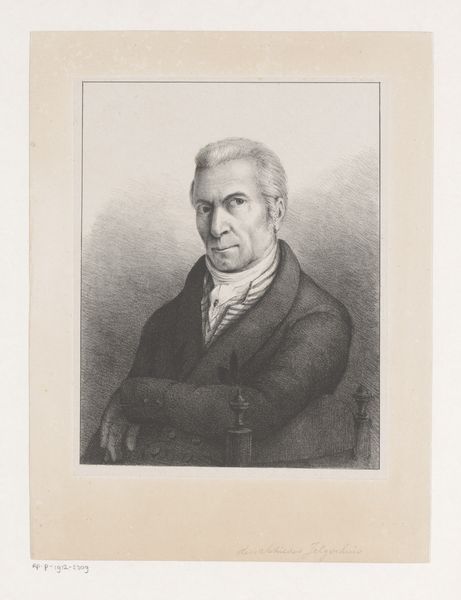
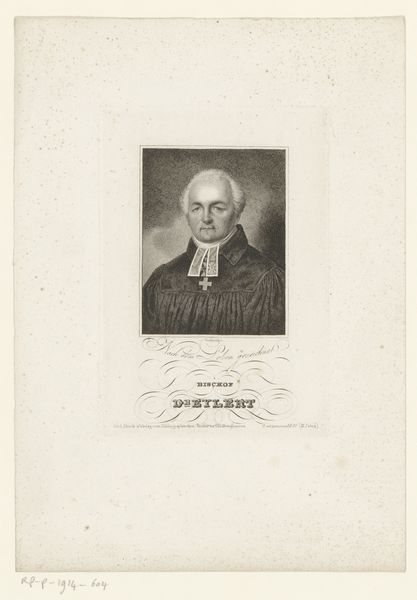
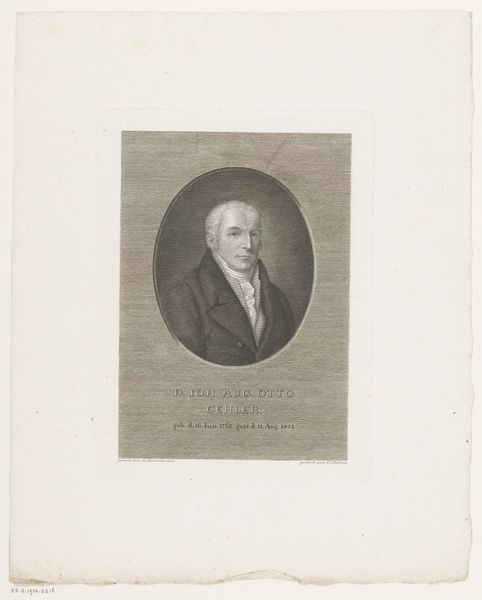
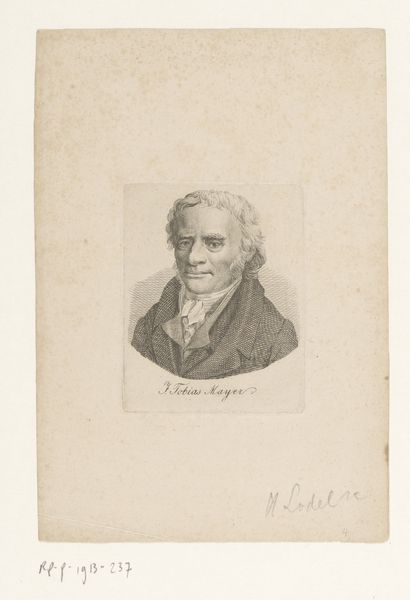
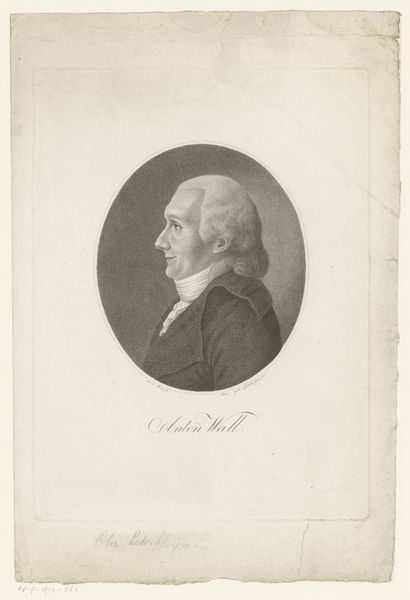
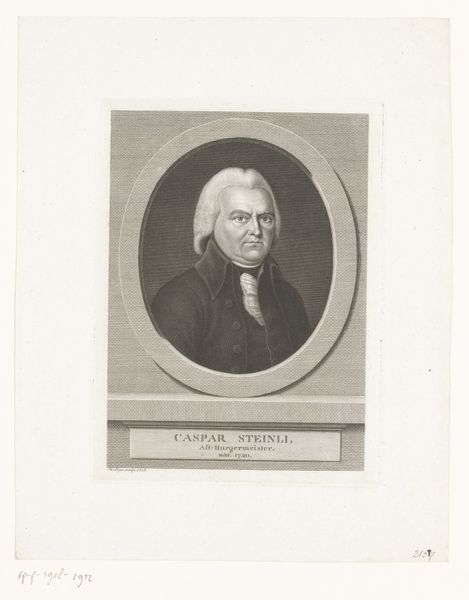
Editor: This is a portrait of Friedrich von Schiller, an engraving made sometime between 1811 and 1875 by Albert Schule. What strikes me is the incredible detail achieved with such a process. What can you tell me about it? Curator: Considering this print, it's vital to think about its production. The act of engraving itself, the labor, the tools required, and the skill, represent a specific investment. An engraving wasn't merely about representing Schiller; it was about making his image reproducible, widely accessible in a burgeoning print market, fueling a cult of celebrity that coincided with changing social values and rising literacy rates. Editor: So, the very process enabled a wider distribution, impacting its cultural significance. Curator: Precisely. And think about the material constraints. The size of the plate, the quality of the paper, even the ink used--these determined the aesthetic and economic value of each print. It's easy to look past this. Is it mass production or fine art? Editor: That's fascinating. I hadn't considered the material and production aspects in that light. So the labor embedded is essential to its value. Curator: Yes, how the print functions within the expanding economies of art and information. It underscores the socio-economic forces that propelled the making and consumption of art, prompting us to re-evaluate traditional hierarchies. Editor: That’s really shifted my perspective; I now appreciate the intersection of craft, labor, and cultural dissemination at play. Thank you! Curator: Indeed, considering art's materiality helps us better understand the society it reflected and helped shape.
Comments
No comments
Be the first to comment and join the conversation on the ultimate creative platform.
 Collect
 React
React Comment
More like this