About this artwork
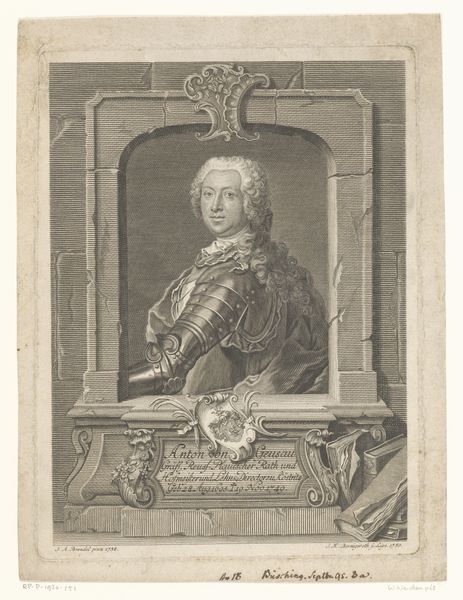
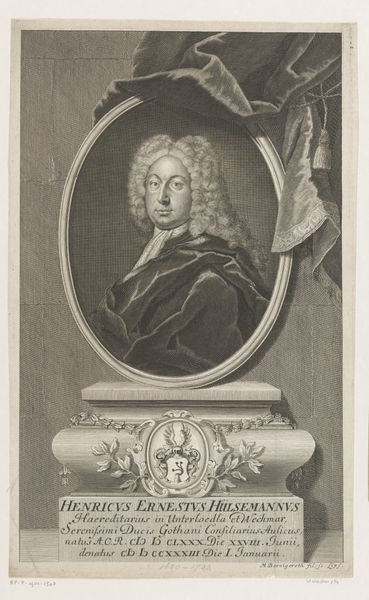
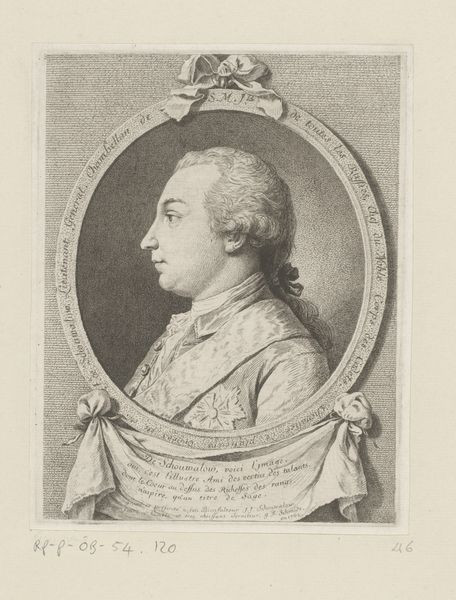
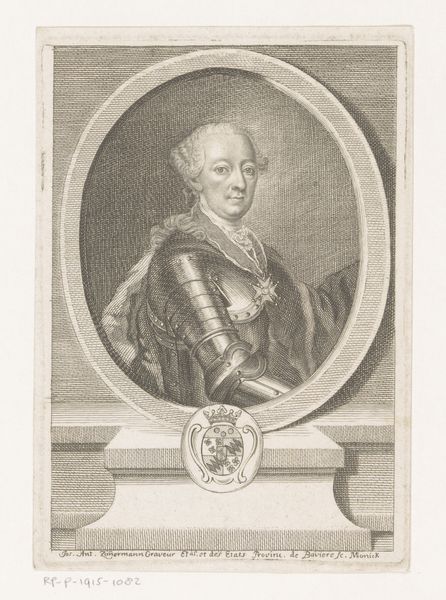
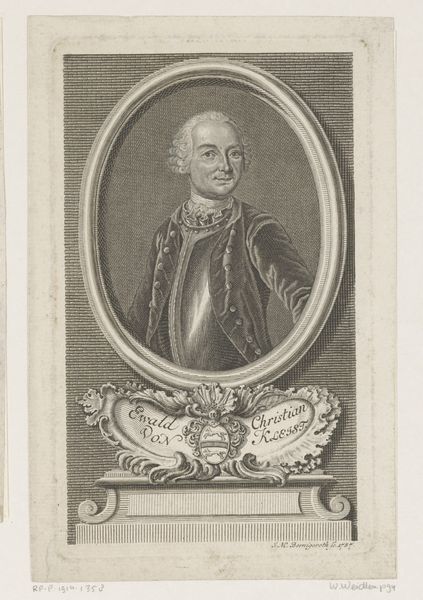
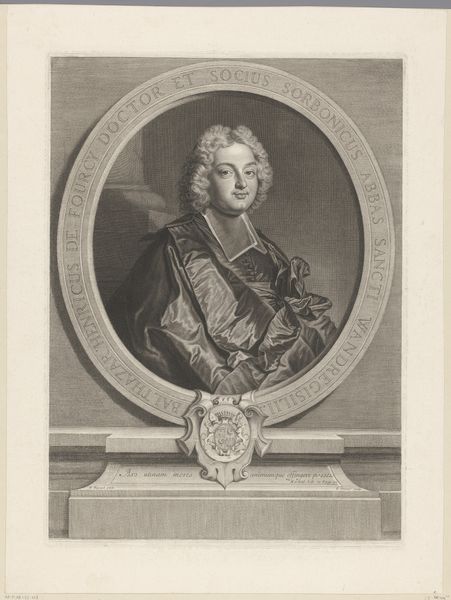
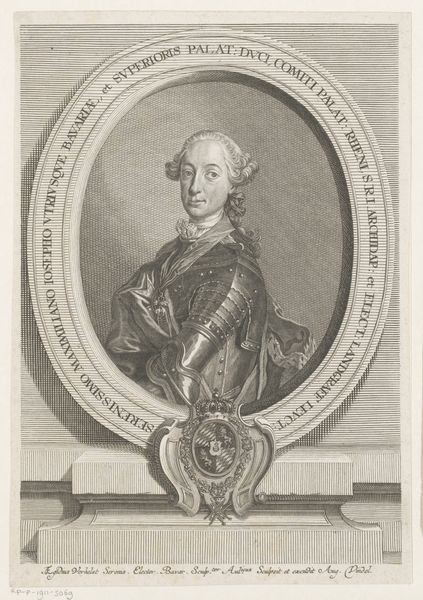
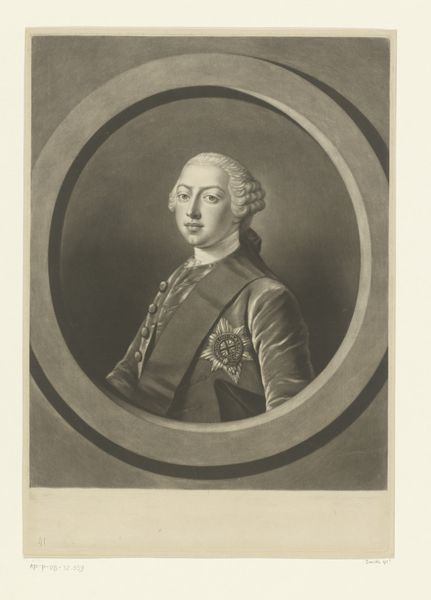
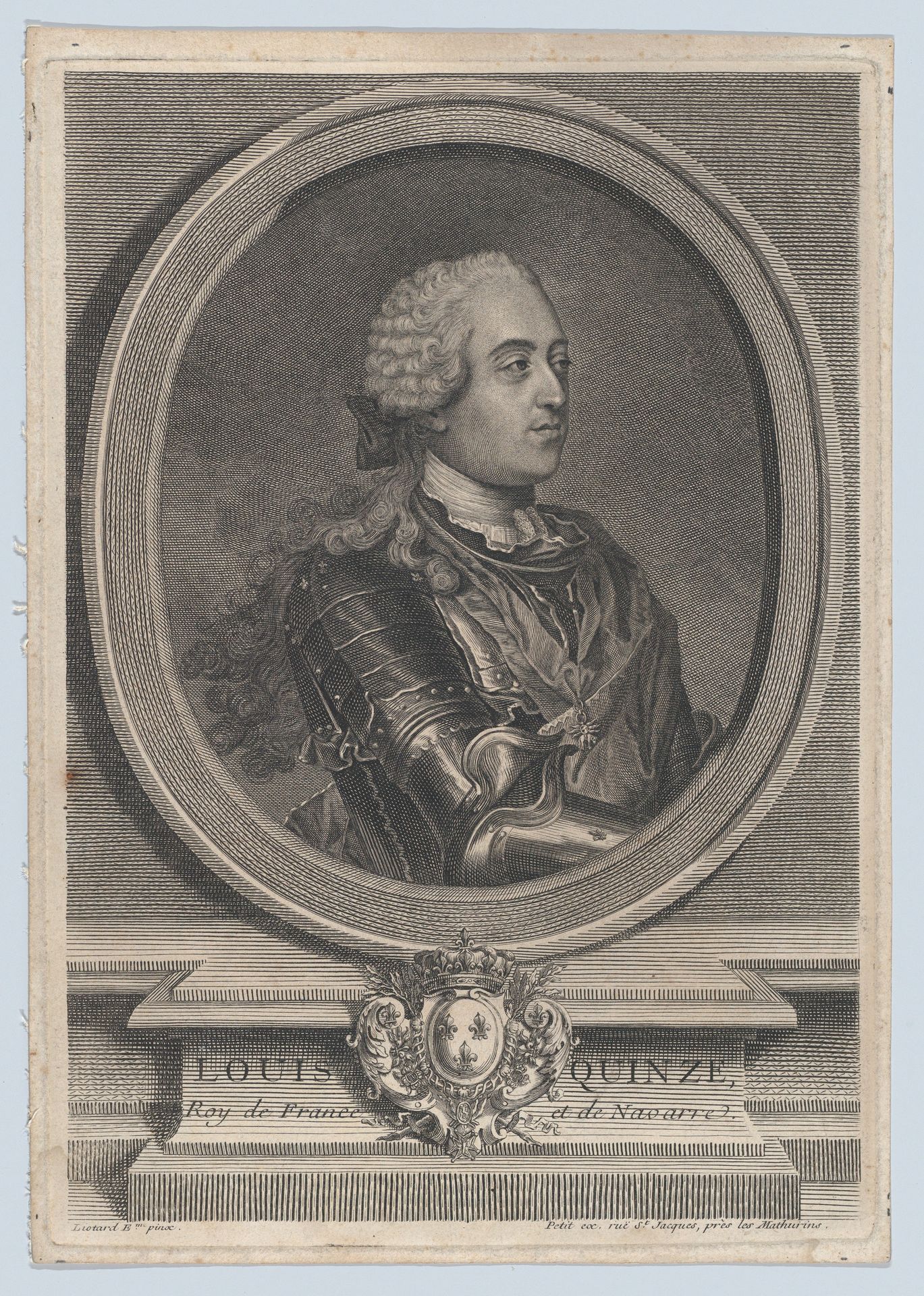
This "Portrait of Louis XV" was made by Gilles Jacques Petit sometime in the 1700s, using engraving on laid paper. Look closely, and you can see how the quality of the line defines the image. The engraver would have used a tool called a burin to incise lines directly into a copper plate. This painstaking process demanded immense skill and precision to capture the texture of the King’s face and clothing. The laid paper, with its distinctive ribbed texture, would have added another layer of visual interest. Engraving was a reproductive medium, well suited to disseminating images of power. This portrait not only represents the King, but also the labor and artistry required to produce it. By appreciating the material processes involved, we can move beyond traditional art history and into a deeper understanding of its social context.
Portrait of Louis XV
1700 - 1800

Gilles Jacques Petit
1700 - 1800
The Metropolitan Museum of Art
Metropolitan Museum of Art, New York, NYArtwork details
- Medium
- drawing, print, engraving
- Dimensions
- plate: 10 1/2 x 7 3/8 in. (26.7 x 18.7 cm) sheet: 10 7/8 x 7 11/16 in. (27.7 x 19.5 cm)
- Location
- Metropolitan Museum of Art, New York, NY
- Copyright
- Public Domain
Tags
Comments
Share your thoughts
About this artwork
This "Portrait of Louis XV" was made by Gilles Jacques Petit sometime in the 1700s, using engraving on laid paper. Look closely, and you can see how the quality of the line defines the image. The engraver would have used a tool called a burin to incise lines directly into a copper plate. This painstaking process demanded immense skill and precision to capture the texture of the King’s face and clothing. The laid paper, with its distinctive ribbed texture, would have added another layer of visual interest. Engraving was a reproductive medium, well suited to disseminating images of power. This portrait not only represents the King, but also the labor and artistry required to produce it. By appreciating the material processes involved, we can move beyond traditional art history and into a deeper understanding of its social context.
Comments
Share your thoughts