1665 - 1693
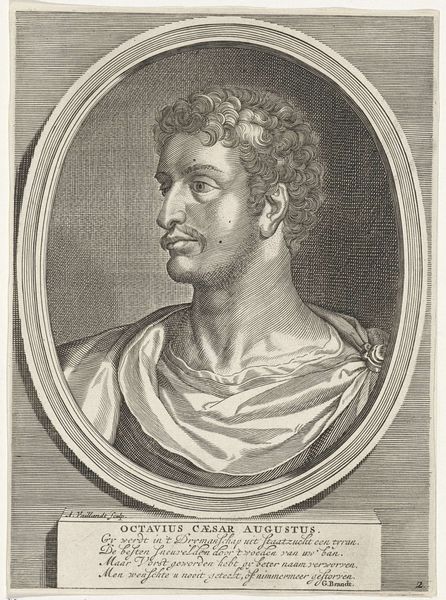
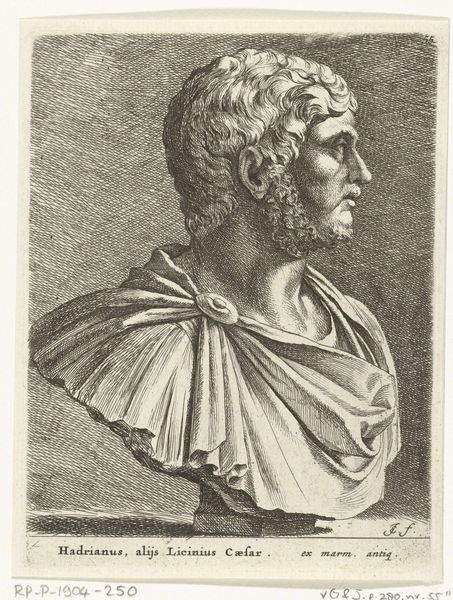
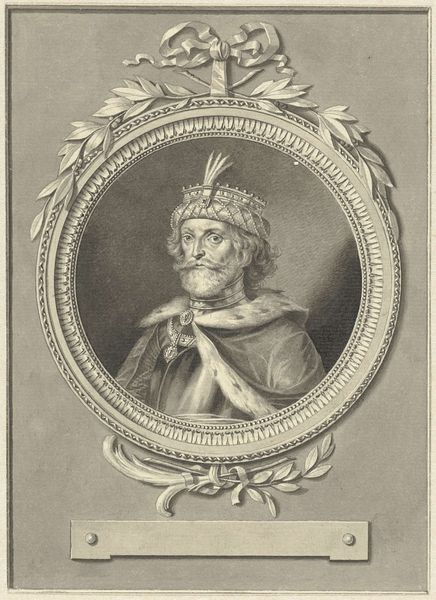
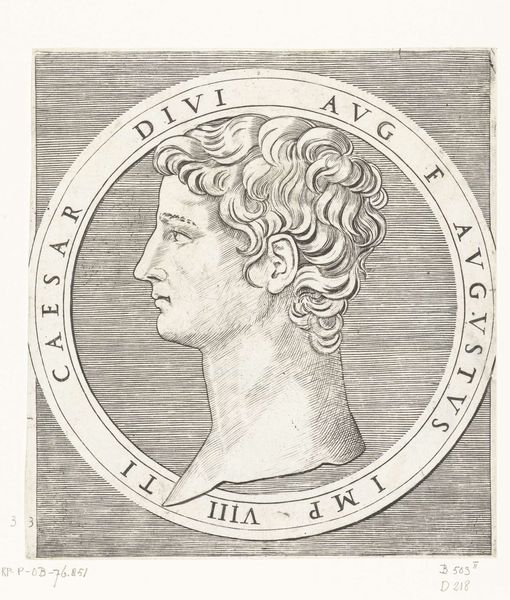
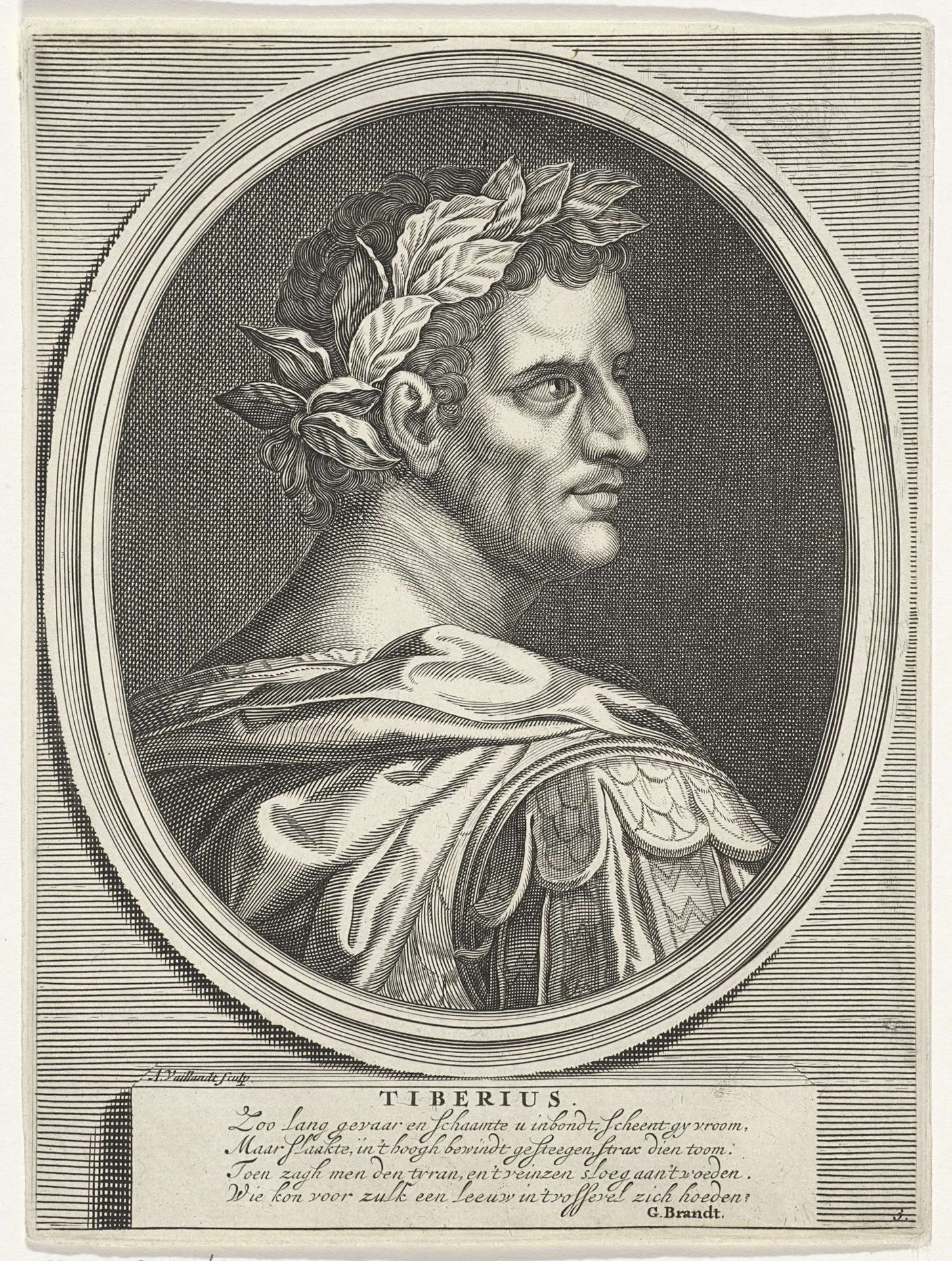
Portret van Tiberius, Romeins keizer

Listen to curator's interpretation
Curatorial notes
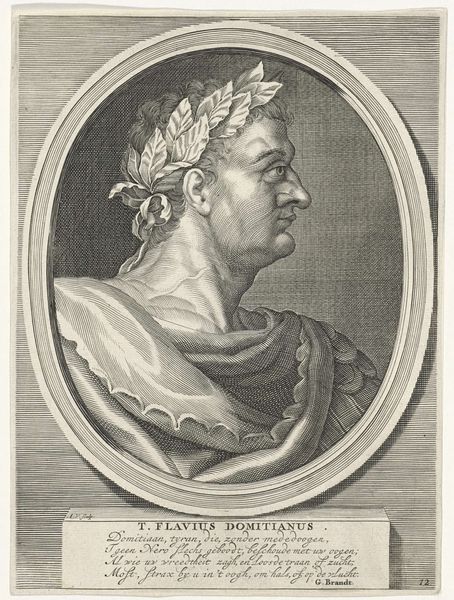
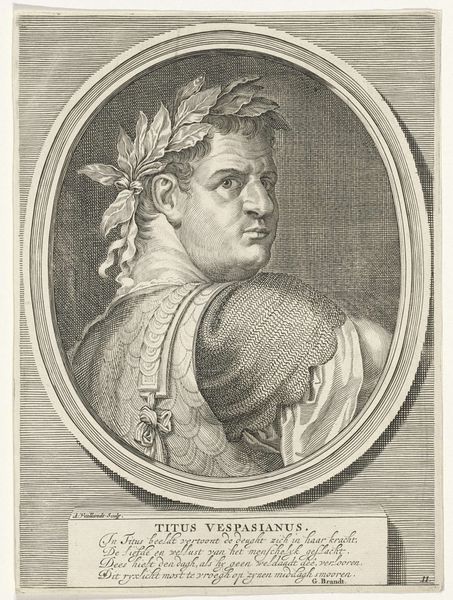
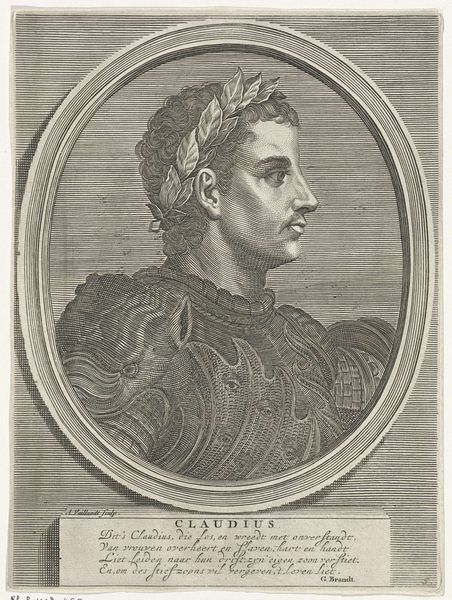
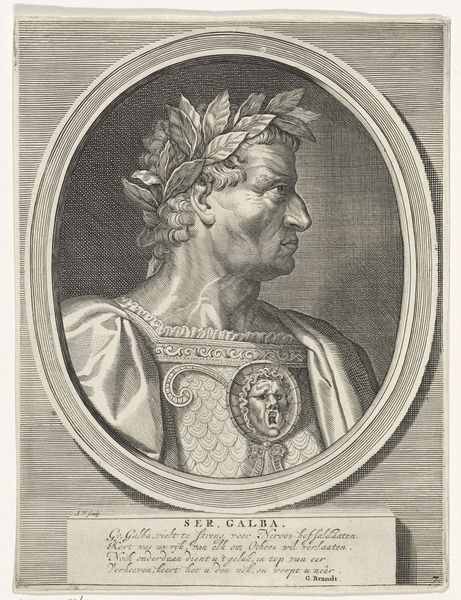
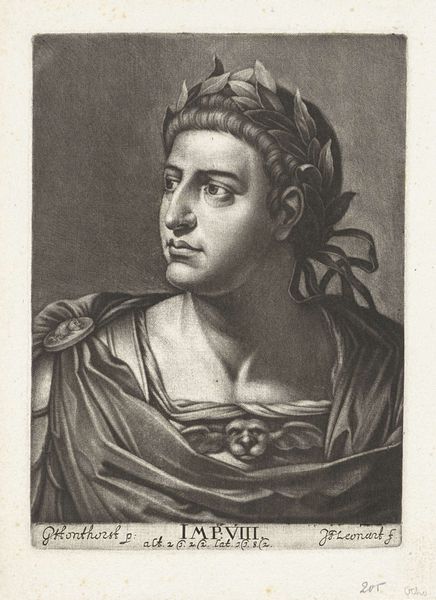
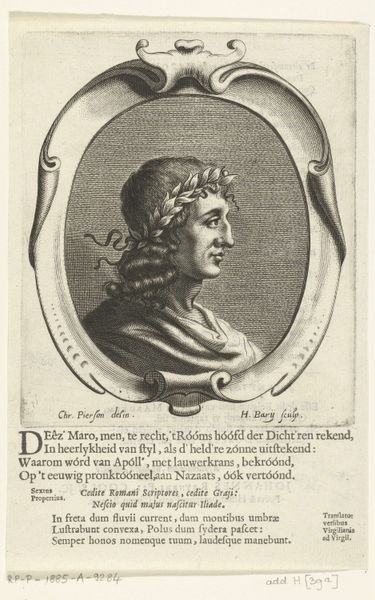
This portrait of Tiberius, engraved by Andries Vaillant, presents us with symbols laden with historical weight. Foremost is the laurel wreath, a classical emblem of triumph and imperial power, encircling the emperor’s brow. The laurel’s significance extends far beyond Rome. We see echoes of it in Renaissance paintings, adorning poets and heroes, and even in modern-day academic regalia. Yet, its meaning isn’t static. In antiquity, it was linked to Apollo, god of light and reason, but over time, it became inextricably tied to military and political victory. Consider how this symbol evolves: from ancient ideals of harmony and intellect to demonstrations of worldly authority. These symbols are vessels carrying cultural memory, capable of eliciting deep, subconscious responses. The laurel wreath speaks to the enduring human desire for recognition and the cyclical nature of power, continually resurfacing and adapting across the ages.