-The Bank of Douglas- still bank c. mid 20th century
0:00
0:00


pigment, photography
#
advertising product shot
#
product studio photography
#
product shot
#
pigment
#
product staged
#
product promotion photography
#
food packaging
#
product photography advertising
#
photography
#
product design photgrpaphy
#
united-states
#
graphic design product photography
#
product photography
Dimensions: 3 1/8 x 4 1/4 x 3 in. (7.94 x 10.8 x 7.62 cm)
Copyright: No Known Copyright
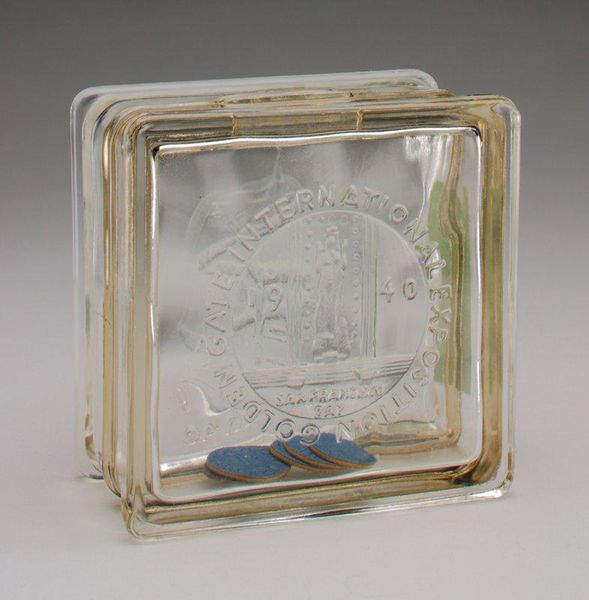
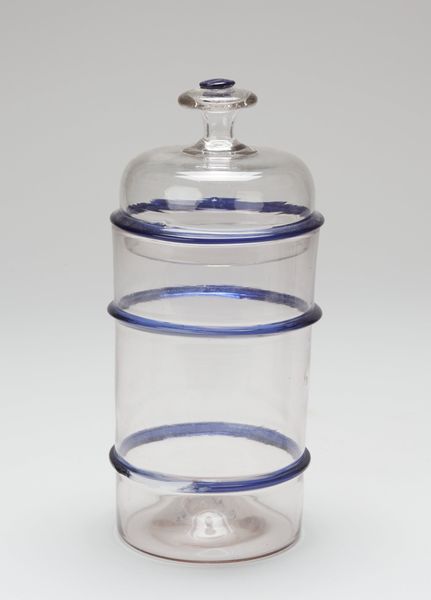
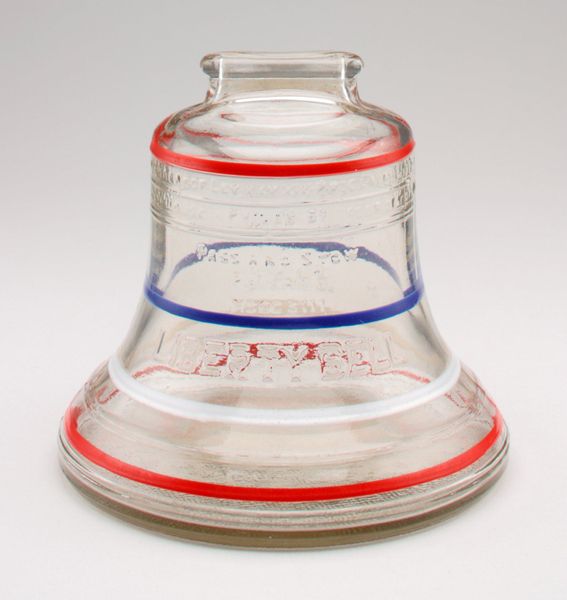
Editor: So this unassuming piece is called '-The Bank of Douglas- still bank,' dating from the mid-20th century. It's currently residing at the Minneapolis Institute of Art and appears to be some kind of coin bank. There is such a haunting feeling, and at the same time nostalgic; perhaps related to memories of my grandfather and his quiet persistence when putting money aside. What strikes you most about it? Curator: Haunting and nostalgic, you say? That resonates. I see in this little bank a monument to deferred gratification. Look at those neat vertical columns, like tiny financial silos! Imagine a child carefully slotting in pennies, one by one, watching the little green indicators inch upwards. Each deposit is a tiny act of faith, a belief in a future reward. There’s also this implicit trust in "The Bank of Douglas"— a name now likely lost to time, like a whisper from a forgotten era. Do you feel a connection with past people you never knew? Editor: Absolutely, a strange sort of camaraderie. I'm also curious about the choice of materials. The somewhat brittle, almost translucent plastic feels very much of its time, doesn't it? Curator: Indeed! It speaks to the optimistic, yet ultimately ephemeral, nature of the mid-20th century consumer boom. Mass-produced dreams in convenient plastic! Makes you wonder, doesn't it, how many of these banks survived intact, filled with hard-earned savings, ready for the future? Editor: A small object carrying big themes – thrift, trust, the passage of time. I never would have guessed such a simple bank could evoke such contemplation! Curator: Exactly! Art isn't always about grand gestures; sometimes it’s about finding the profound in the mundane. And hopefully, this little bank has invited us to look closer at everyday objects.
Comments
No comments
Be the first to comment and join the conversation on the ultimate creative platform.
 Collect
 React
React Comment
More like this