c. early 19th century
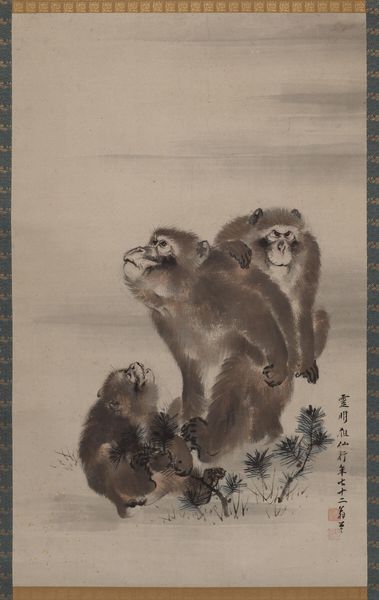
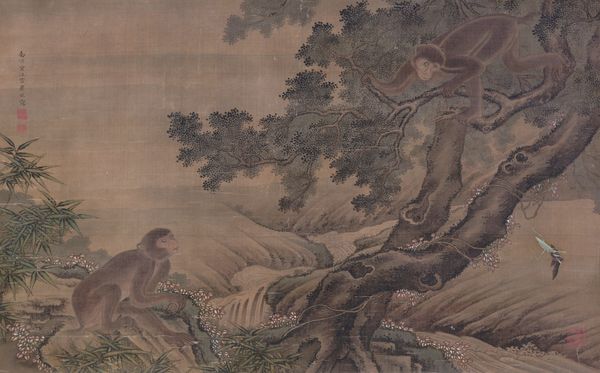
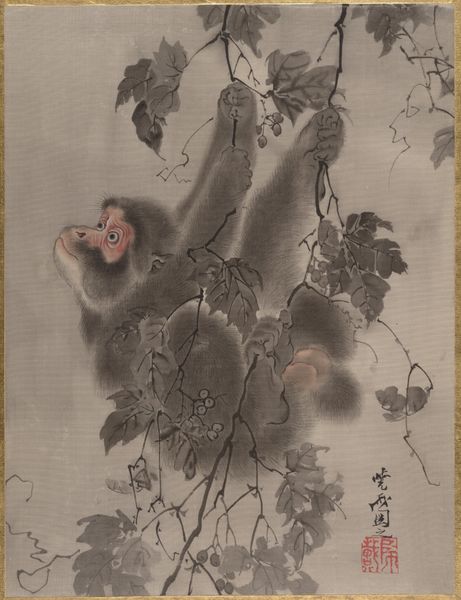
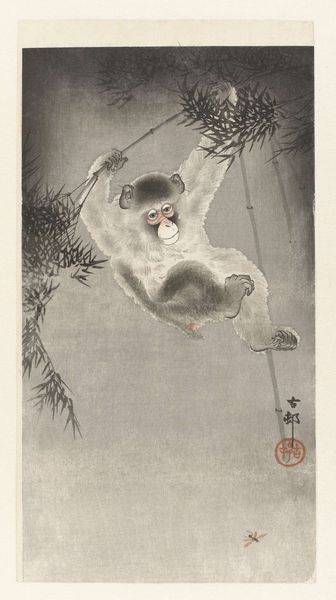
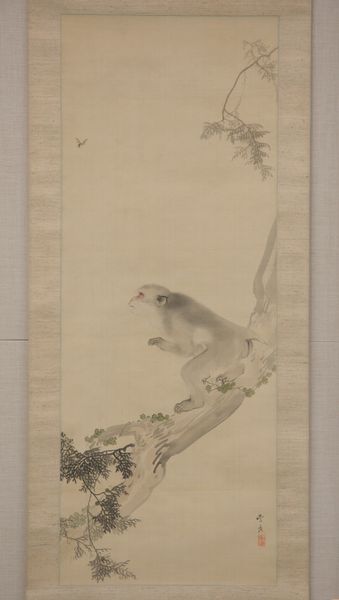
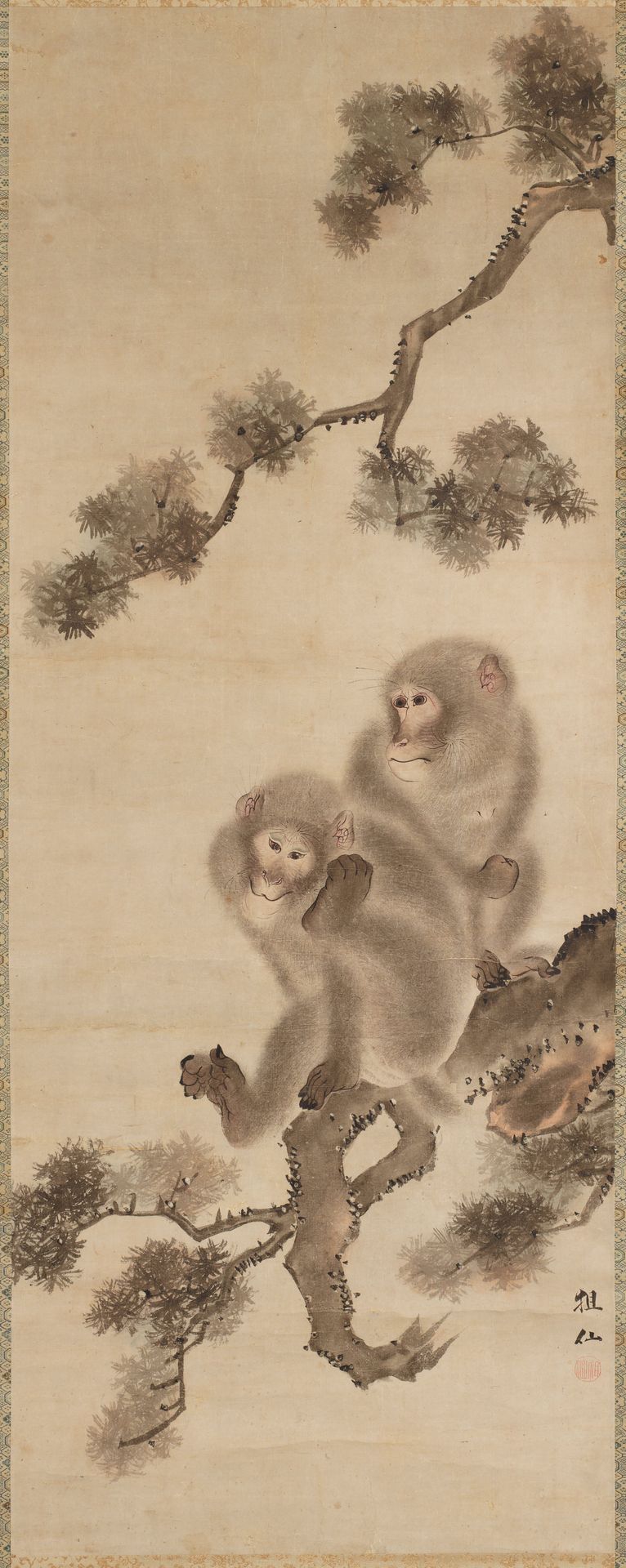
Two Monkeys in a Pine Tree


Listen to curator's interpretation
Curatorial notes
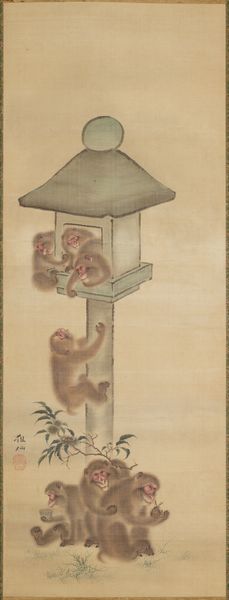
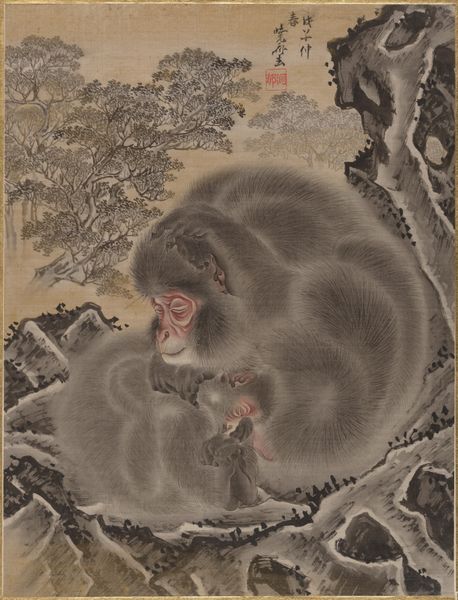
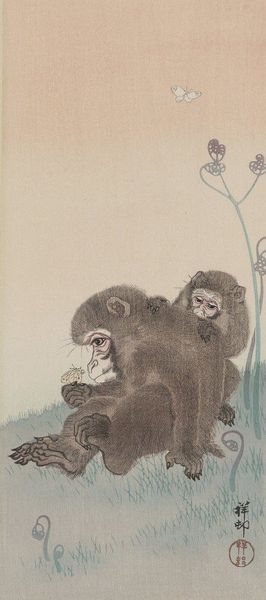
Mori Sosen created *Two Monkeys in a Pine Tree* with ink and color on silk during the Edo period in Japan. During this time, artists often drew upon the natural world for inspiration, but their choices were always shaped by the social and philosophical currents of the day. This image isn’t just a literal representation of monkeys in a tree. Instead, the monkeys are symbols of filial piety, representing the importance of family and ancestors in Confucian thought, a philosophy very important in the Edo period. The pine tree, an emblem of longevity and steadfastness, further emphasizes these values. In a country ruled by the Tokugawa Shogunate, art was encouraged to promote social harmony and order, and these depictions of monkeys and pine trees were popular due to the cultural values and ideals of the time. Looking more closely into the formal conventions of Japanese painting, and the social function of art in Edo period Japan, helps us to appreciate the complex cultural context of Sosen’s lovely painting.