About this artwork
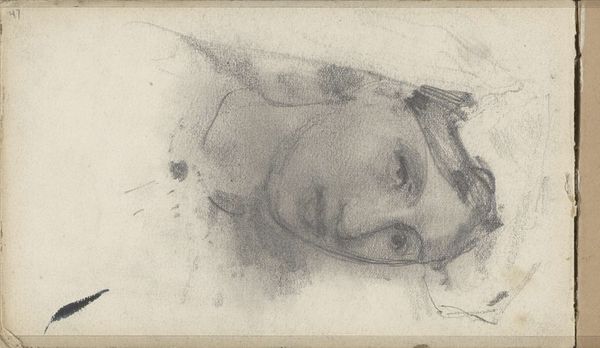
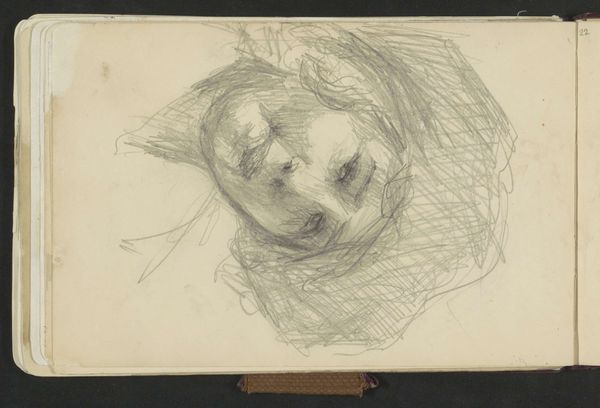
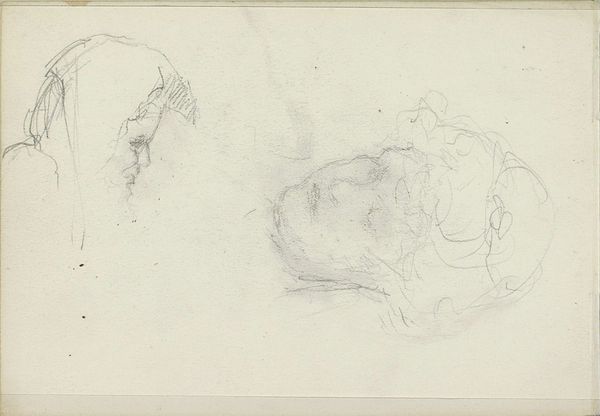
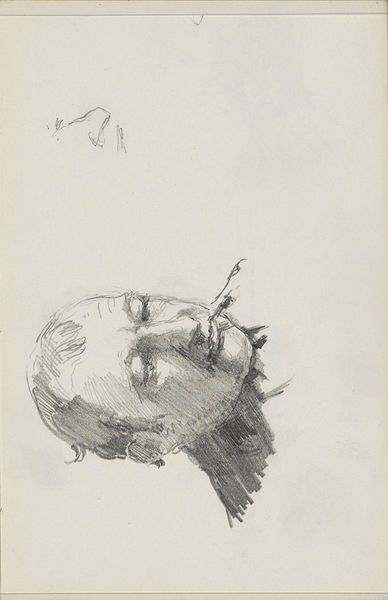
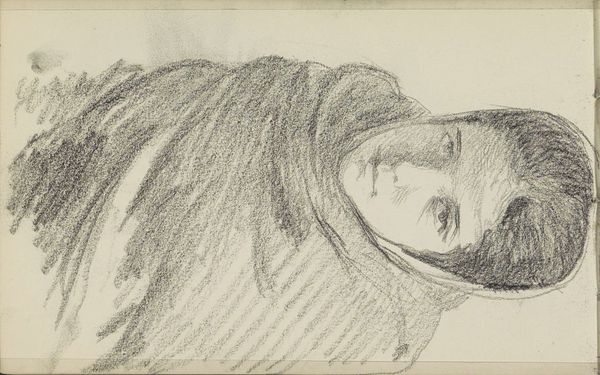
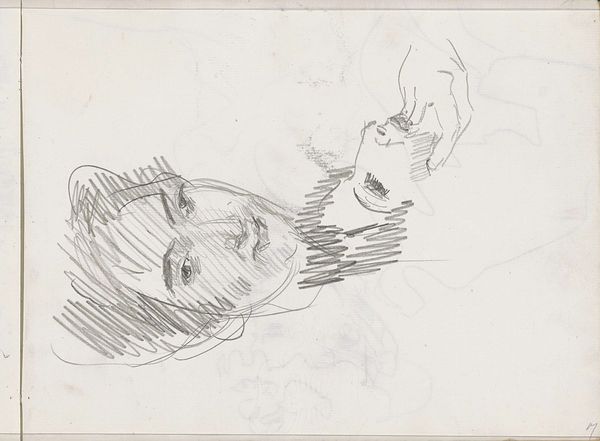
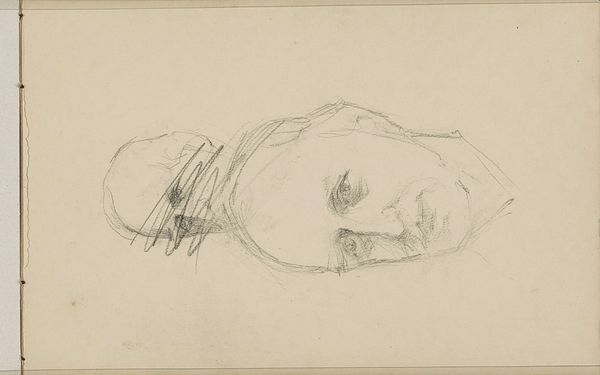
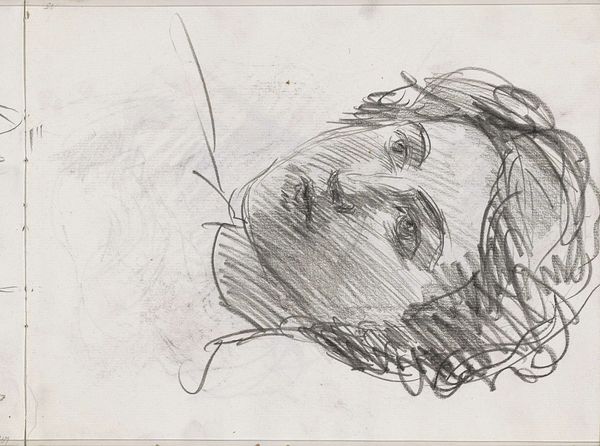
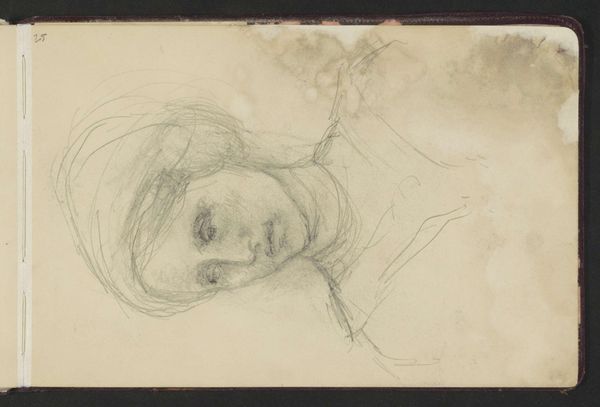
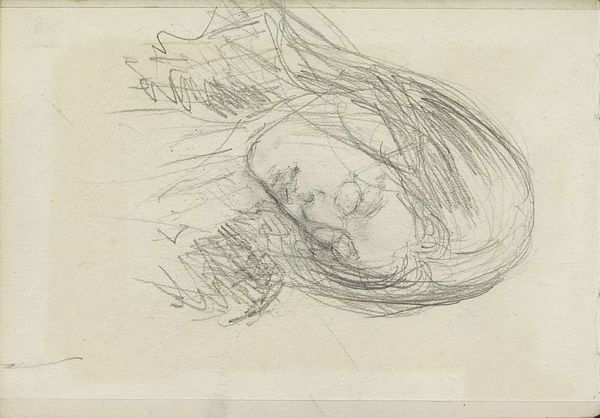
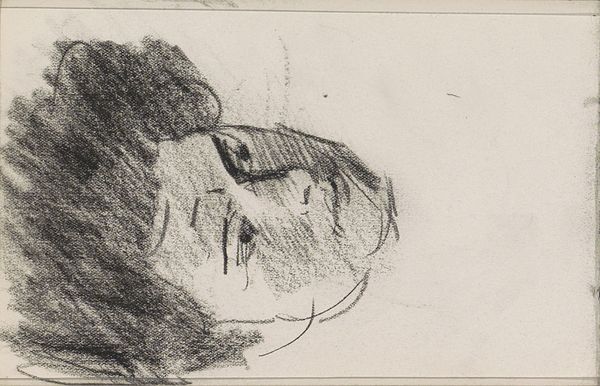
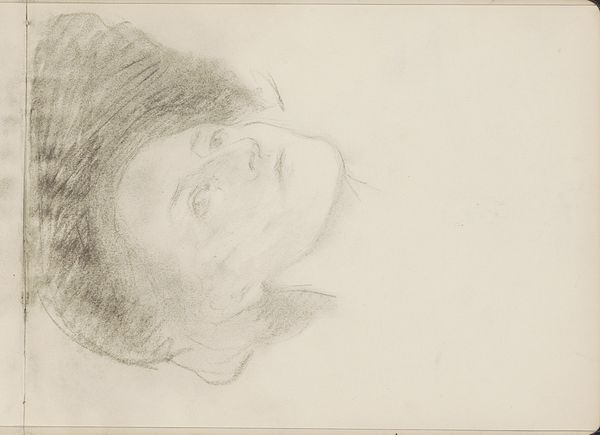
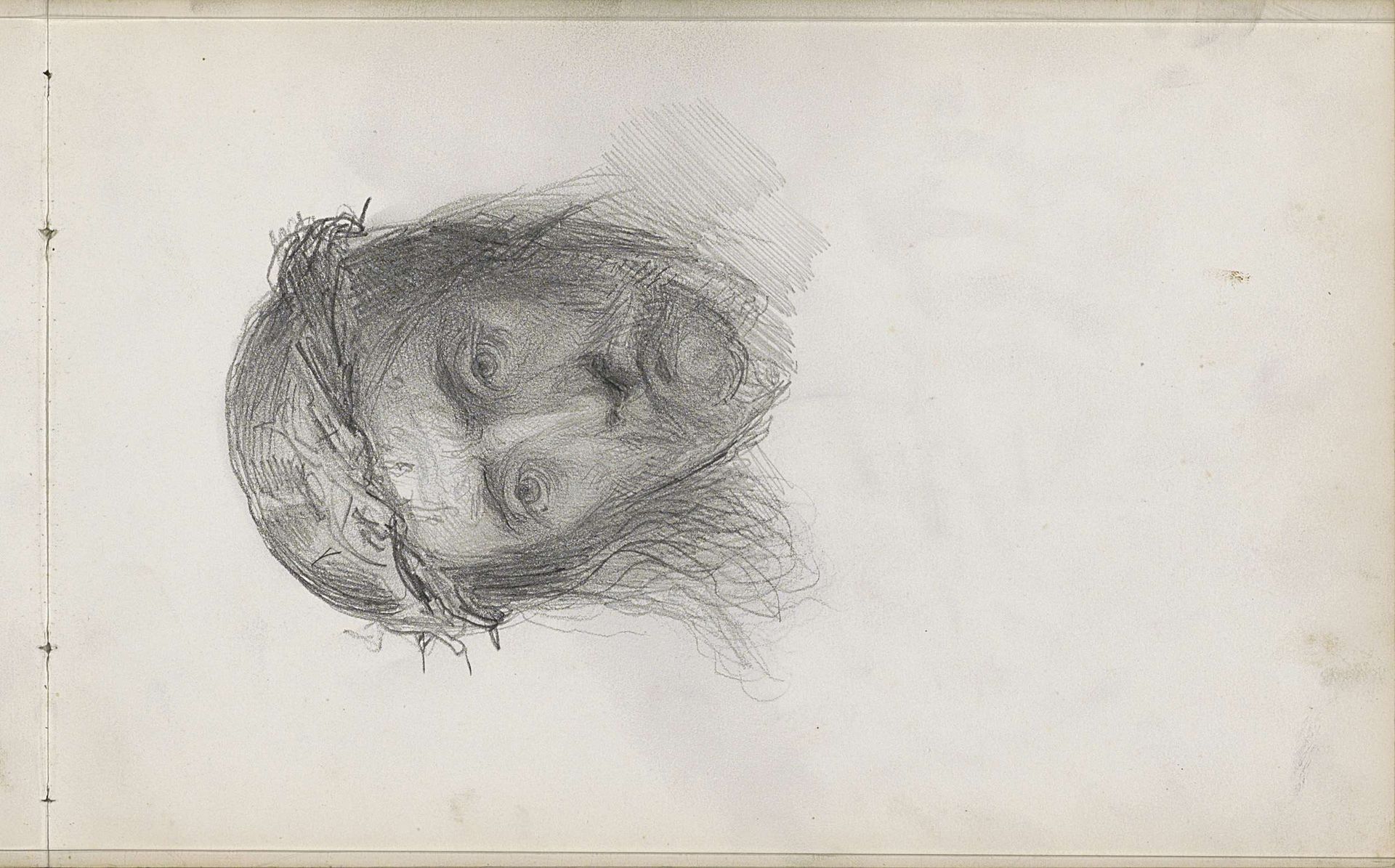
Bastiaan de Poorter made this Head of Christ with a Crown of Thorns in the Netherlands at some point in the 19th century. The Netherlands in the 19th century was a society with strong Christian undertones. Religious belief, often inflected by the state, played a central role in society. This drawing depicts one of the most recognizable scenes in the Bible. But what could it have meant in its own time? The Rijksmuseum was founded in 1800, the same century as the drawing was made. Art institutions like the Rijksmuseum played a pivotal role in the preservation, interpretation and display of religious art and promoted certain ideas about it. The image of Christ crowned with thorns carries cultural references and historical associations that are deeply rooted in the religious and social fabric of that time. The politics of imagery are always at play in religious art. Further research into the artist and his position within the Dutch art world of the 19th century would help us to interpret it more fully.

Artwork details
- Medium
- drawing, pencil
- Location
- Rijksmuseum
- Copyright
- Rijks Museum: Open Domain
Tags
Comments
Share your thoughts
About this artwork
Bastiaan de Poorter made this Head of Christ with a Crown of Thorns in the Netherlands at some point in the 19th century. The Netherlands in the 19th century was a society with strong Christian undertones. Religious belief, often inflected by the state, played a central role in society. This drawing depicts one of the most recognizable scenes in the Bible. But what could it have meant in its own time? The Rijksmuseum was founded in 1800, the same century as the drawing was made. Art institutions like the Rijksmuseum played a pivotal role in the preservation, interpretation and display of religious art and promoted certain ideas about it. The image of Christ crowned with thorns carries cultural references and historical associations that are deeply rooted in the religious and social fabric of that time. The politics of imagery are always at play in religious art. Further research into the artist and his position within the Dutch art world of the 19th century would help us to interpret it more fully.
Comments
Share your thoughts