About this artwork
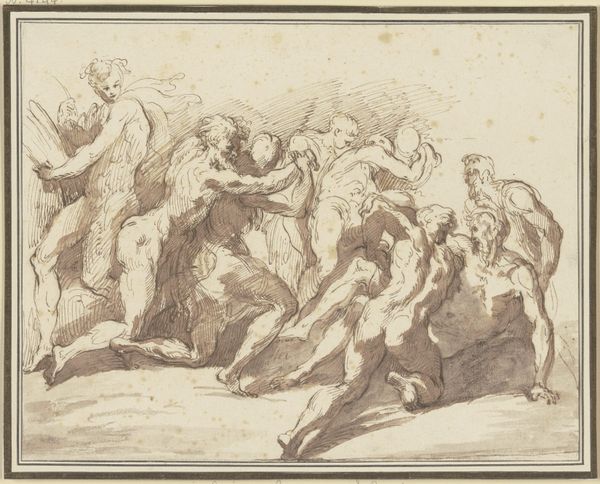
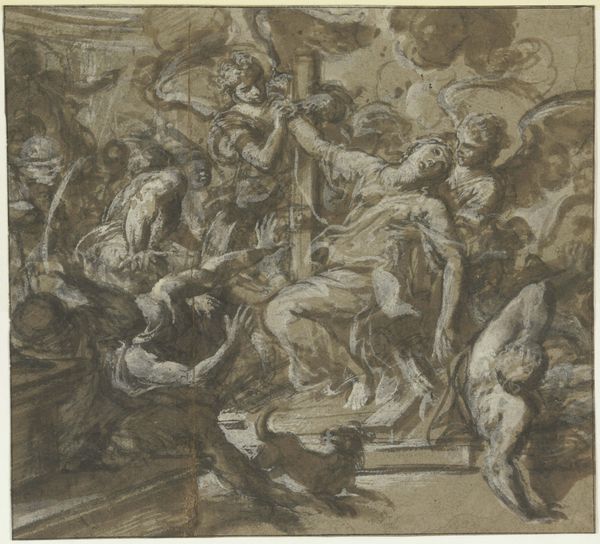
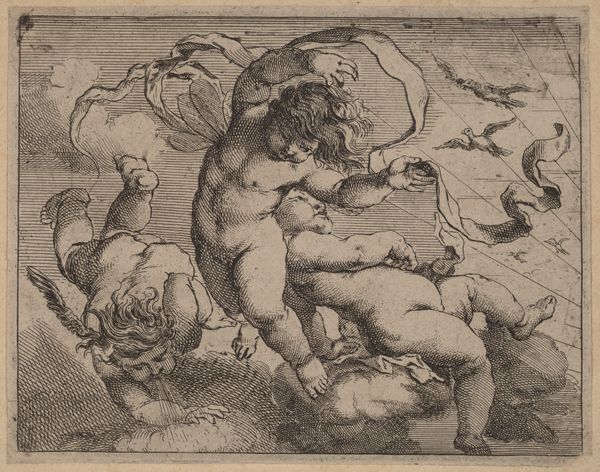
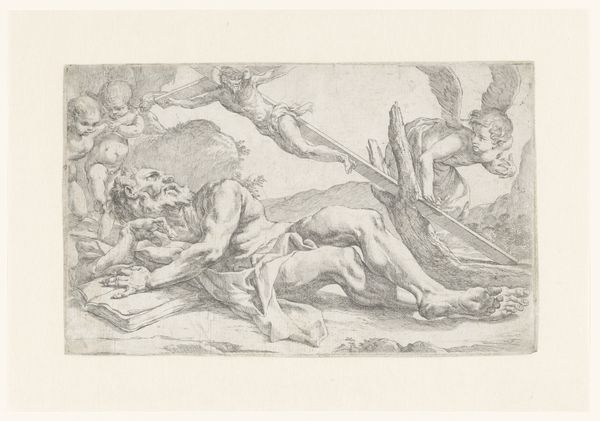
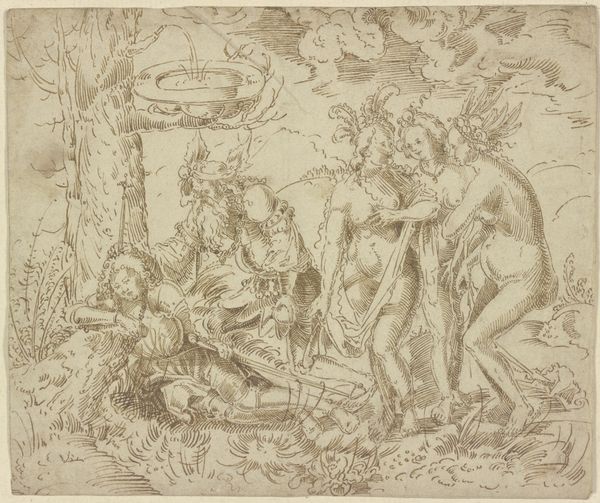
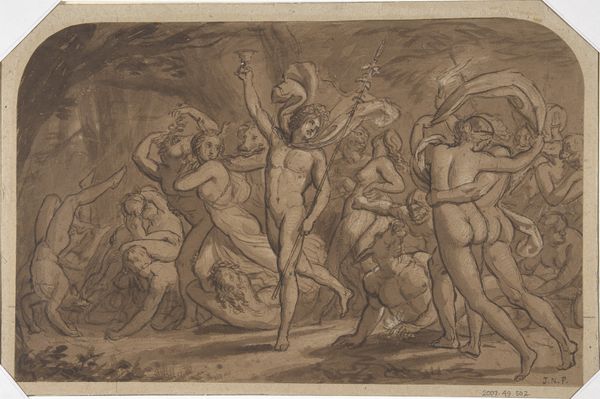
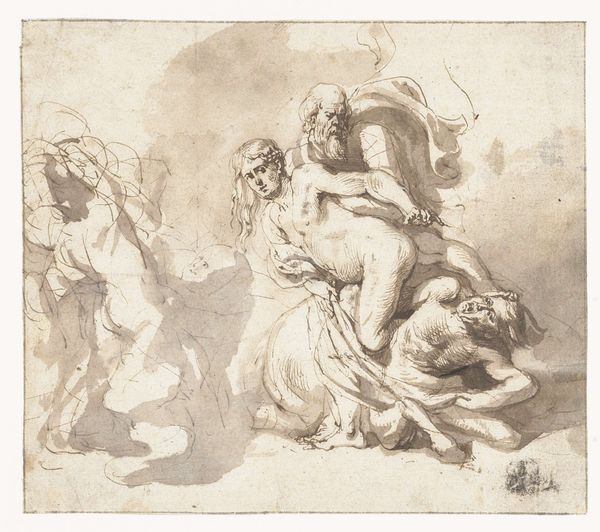
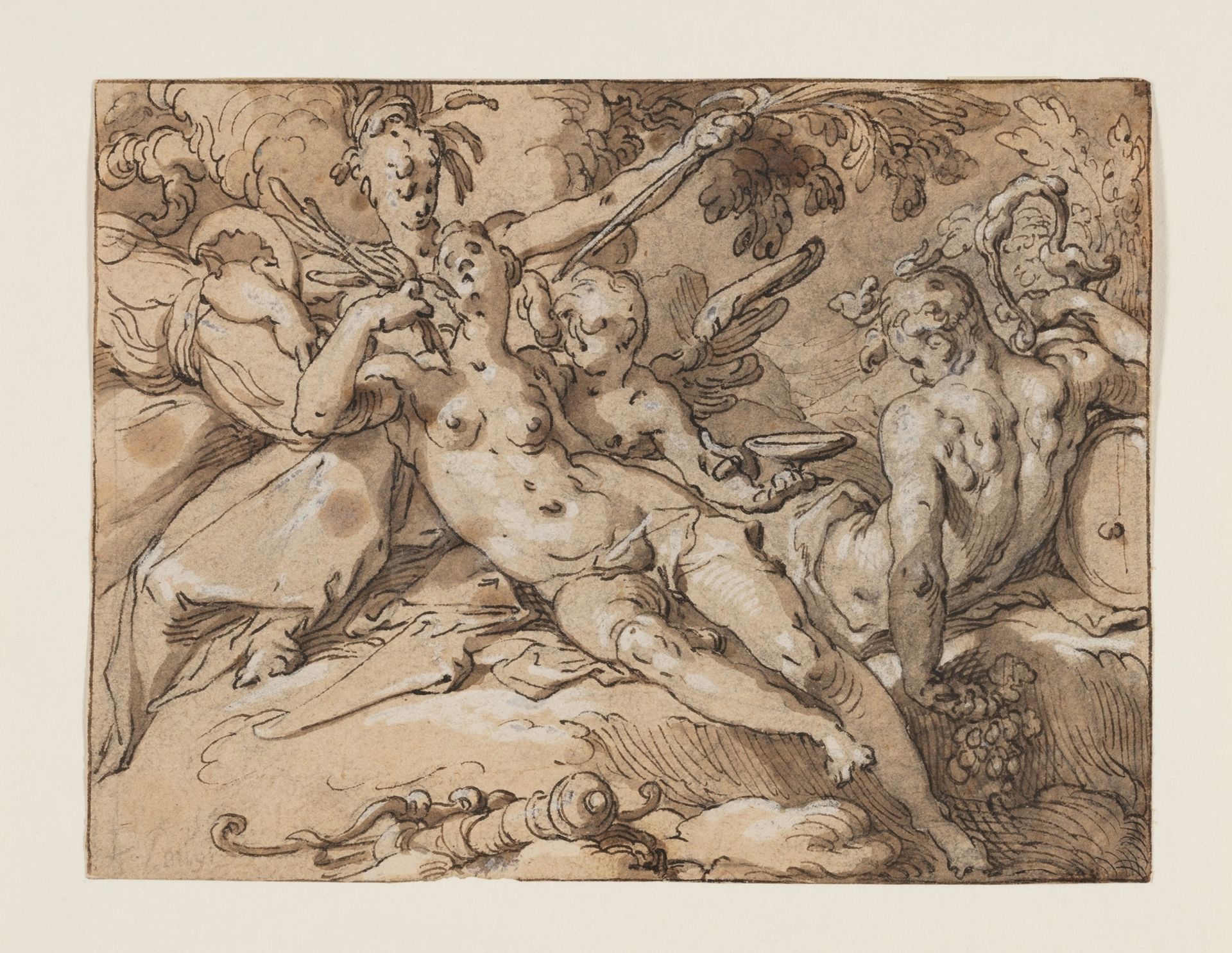
Abraham Bloemaert rendered this drawing of Venus and Bacchus sometime between the late 16th and mid-17th century using pen and brown ink with a brown wash. The depiction of classical deities in art during this period reflected the cultural and intellectual movement of the Renaissance, with renewed interest in classical literature, mythology, and philosophy. Here, we see the artist’s interpretation of idealised beauty, and the male and female forms, within an established hierarchy. Venus, the goddess of love, is shown in a pose that emphasizes sensuality, while Bacchus, the god of wine, is depicted with a muscular frame, and his association with revelry and intoxication. The erotic charge of the scene might have been viewed differently according to one's gender and social standing during this period. The artwork invites us to consider not only the artist's interpretation of mythology but also the power dynamics inherent in the representation of gender and desire in art history.

Artwork details
- Medium
- drawing, ink
- Copyright
- Public Domain: Artvee
Tags
Comments
Share your thoughts
About this artwork
Abraham Bloemaert rendered this drawing of Venus and Bacchus sometime between the late 16th and mid-17th century using pen and brown ink with a brown wash. The depiction of classical deities in art during this period reflected the cultural and intellectual movement of the Renaissance, with renewed interest in classical literature, mythology, and philosophy. Here, we see the artist’s interpretation of idealised beauty, and the male and female forms, within an established hierarchy. Venus, the goddess of love, is shown in a pose that emphasizes sensuality, while Bacchus, the god of wine, is depicted with a muscular frame, and his association with revelry and intoxication. The erotic charge of the scene might have been viewed differently according to one's gender and social standing during this period. The artwork invites us to consider not only the artist's interpretation of mythology but also the power dynamics inherent in the representation of gender and desire in art history.
Comments
Share your thoughts