About this artwork
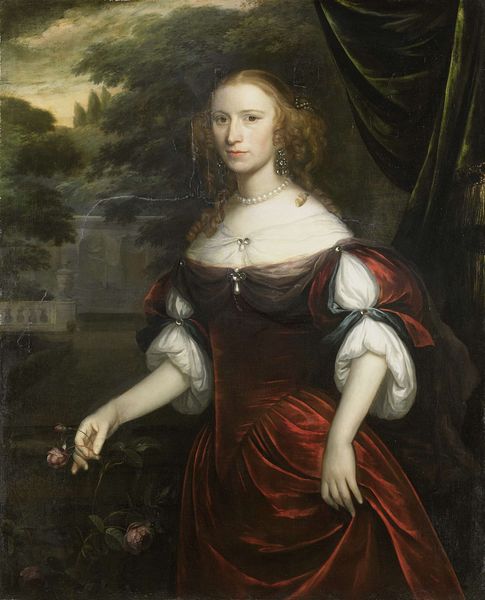
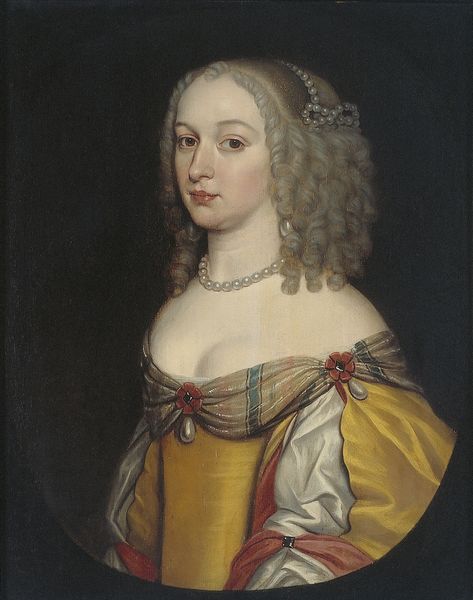
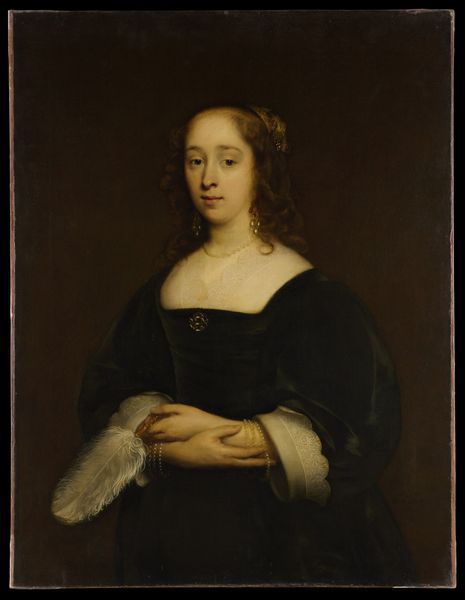
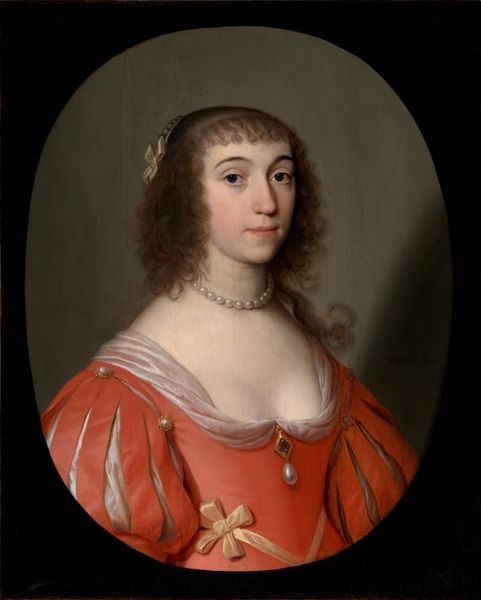
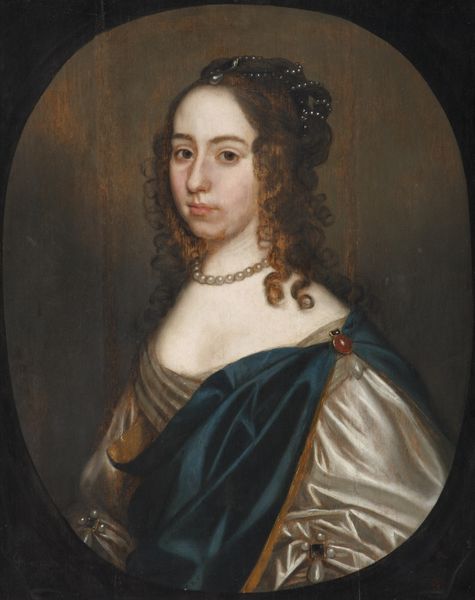
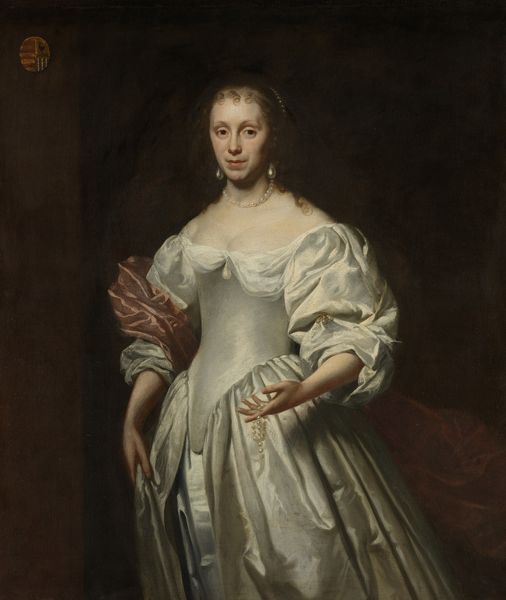
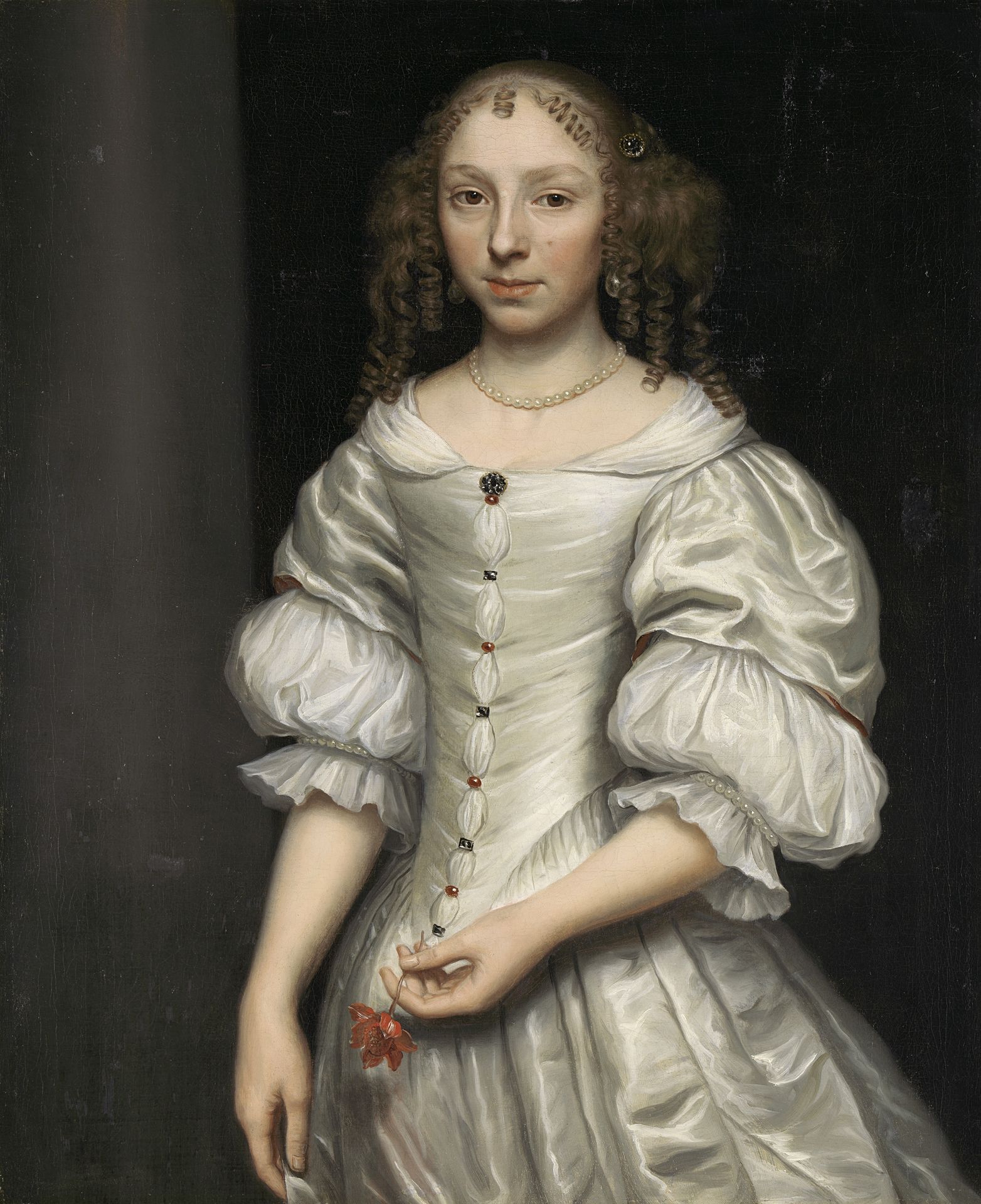
Wallerant Vaillant painted this portrait of a woman in oil on canvas, though the exact date remains unknown. The painting presents a figure whose gaze meets ours, framed by a dark backdrop which accentuates the pearlescent tones of her dress. The artist's delicate brushstrokes capture the texture of light on fabric, creating a soft, almost ethereal quality. This effect is a deliberate construction, a way of engaging with contemporary ideas about representation and identity. What does it mean to capture a likeness? Vaillant seems to ask, what can be known from the surface of things? The woman holds a flower, a visual symbol loaded with cultural significance. Is it simply a decorative addition, or does it subtly allude to ideas of beauty, transience, and the complex relationship between nature and artifice? Ultimately, the painting invites a dialogue between the viewer and the viewed, a play of gazes across centuries. It reminds us that portraiture is not merely a record but a carefully constructed performance.

Artwork details
- Medium
- painting, oil-paint
- Dimensions
- height 88 cm, width 72 cm, depth 7.5 cm
- Location
- Rijksmuseum
- Copyright
- Rijks Museum: Open Domain
Tags
Comments
Share your thoughts
About this artwork
Wallerant Vaillant painted this portrait of a woman in oil on canvas, though the exact date remains unknown. The painting presents a figure whose gaze meets ours, framed by a dark backdrop which accentuates the pearlescent tones of her dress. The artist's delicate brushstrokes capture the texture of light on fabric, creating a soft, almost ethereal quality. This effect is a deliberate construction, a way of engaging with contemporary ideas about representation and identity. What does it mean to capture a likeness? Vaillant seems to ask, what can be known from the surface of things? The woman holds a flower, a visual symbol loaded with cultural significance. Is it simply a decorative addition, or does it subtly allude to ideas of beauty, transience, and the complex relationship between nature and artifice? Ultimately, the painting invites a dialogue between the viewer and the viewed, a play of gazes across centuries. It reminds us that portraiture is not merely a record but a carefully constructed performance.
Comments
Share your thoughts