About this artwork
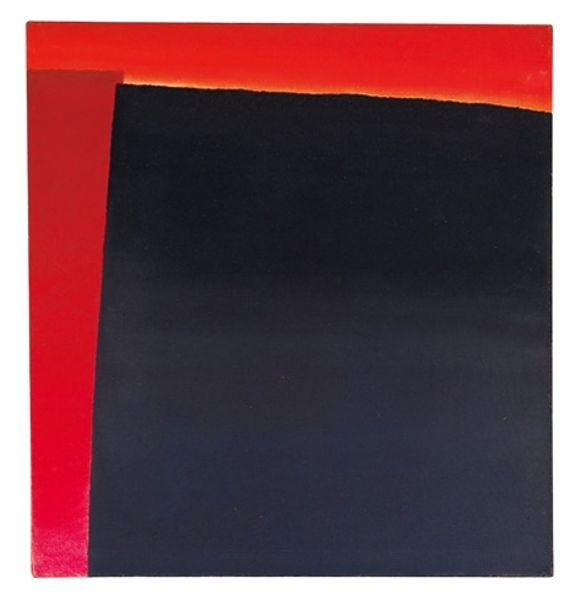
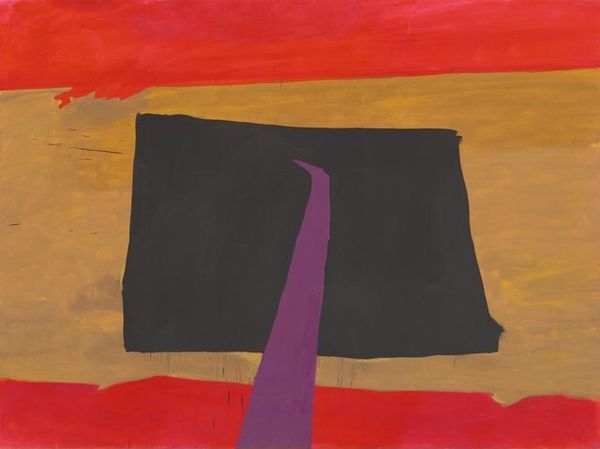
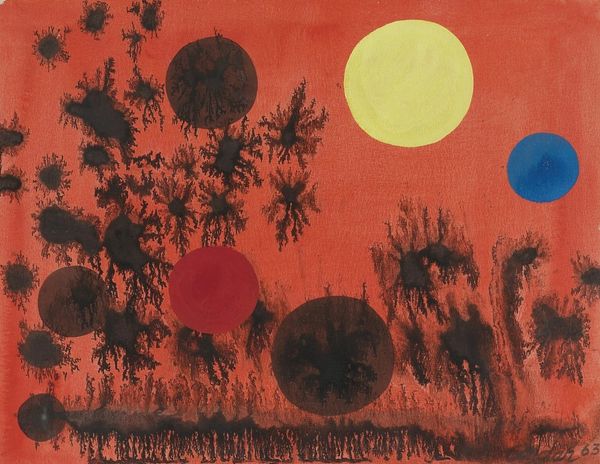
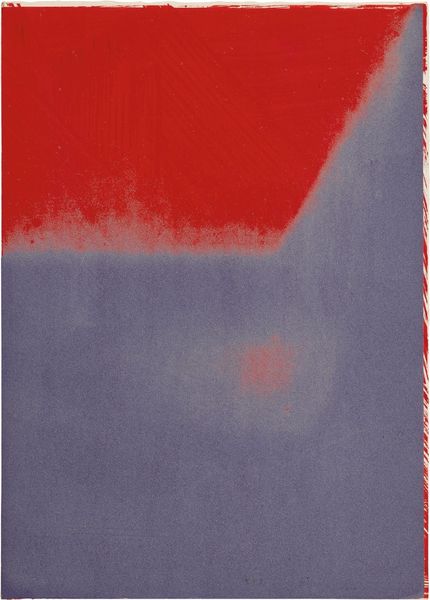
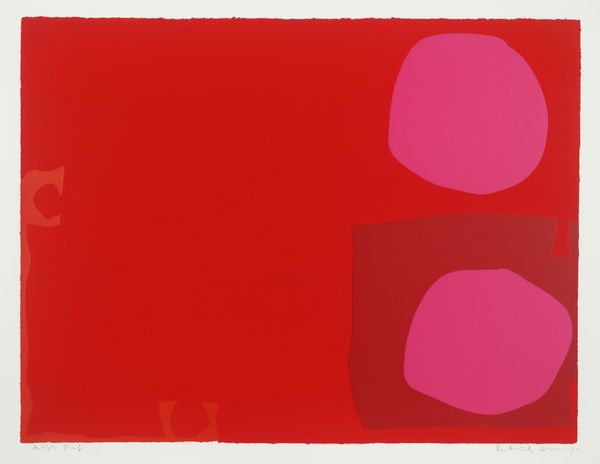
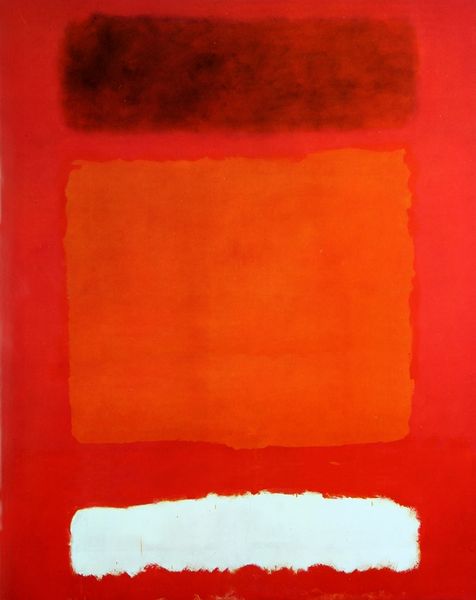
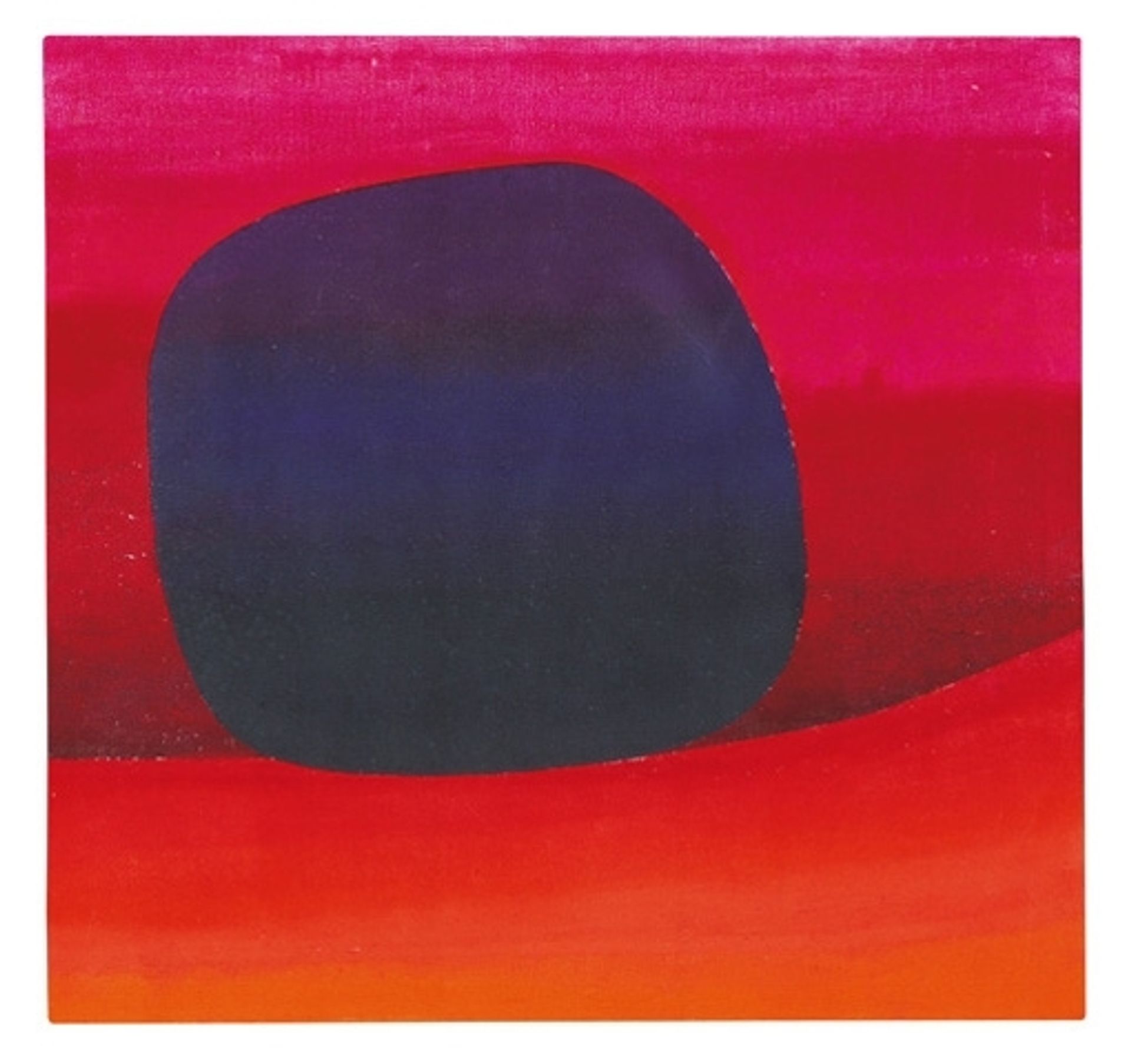
This is OE 260, a painting by Rupprecht Geiger. In this work, we see vibrant colors and a dominant dark, amorphous form that may remind us of an eclipse or a primordial void. Consider the cultural resonance of the eclipse—a symbol that stretches back into antiquity. Across cultures, eclipses have been seen as omens, disruptive events signaling both chaos and transformation. Similarly, the void is not merely emptiness, but a space pregnant with potential, a canvas for the birth of new forms. Think of the alchemical nigredo, the “blackness” that precedes transmutation. This is the stage of decomposition necessary for rebirth. These concepts tap into our collective memory, evoking primal fears and hopes that have been passed down through generations. Even in this abstract form, Geiger touches upon the cyclical nature of destruction and creation that resonates deeply within us.

Artwork details
- Medium
- oil-paint
- Copyright
- Rupprecht Geiger,Fair Use
Tags
Comments
Share your thoughts
About this artwork
This is OE 260, a painting by Rupprecht Geiger. In this work, we see vibrant colors and a dominant dark, amorphous form that may remind us of an eclipse or a primordial void. Consider the cultural resonance of the eclipse—a symbol that stretches back into antiquity. Across cultures, eclipses have been seen as omens, disruptive events signaling both chaos and transformation. Similarly, the void is not merely emptiness, but a space pregnant with potential, a canvas for the birth of new forms. Think of the alchemical nigredo, the “blackness” that precedes transmutation. This is the stage of decomposition necessary for rebirth. These concepts tap into our collective memory, evoking primal fears and hopes that have been passed down through generations. Even in this abstract form, Geiger touches upon the cyclical nature of destruction and creation that resonates deeply within us.
Comments
Share your thoughts