About this artwork
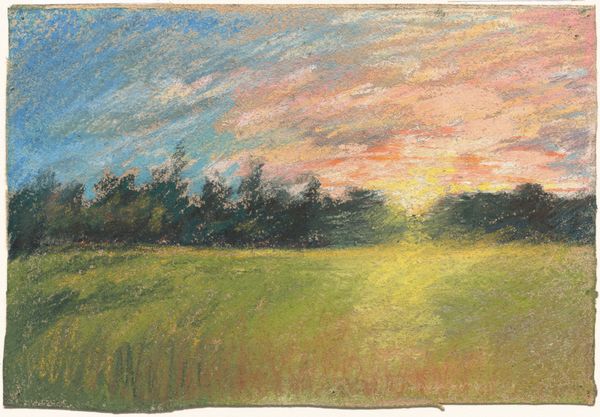
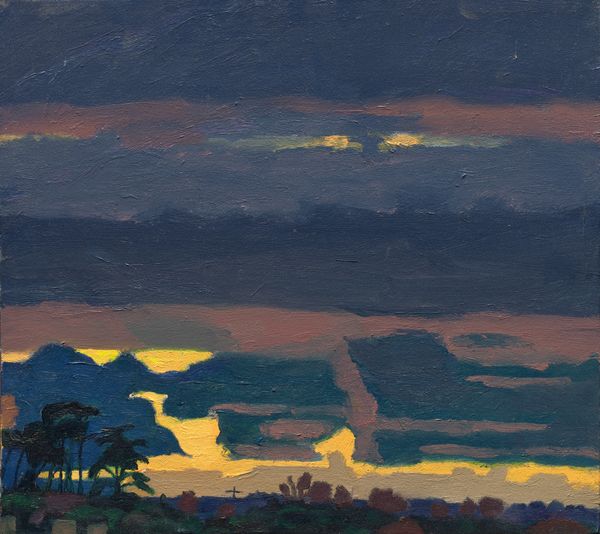
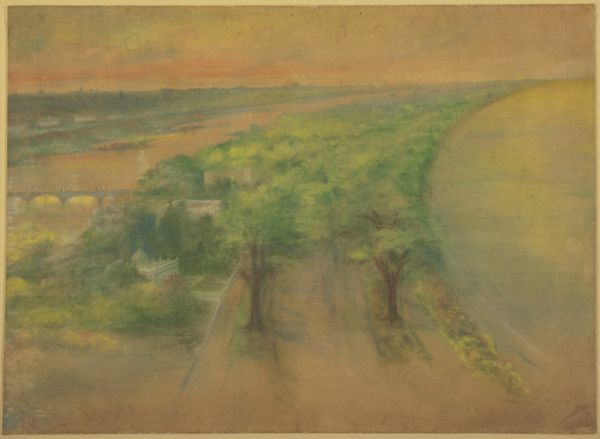
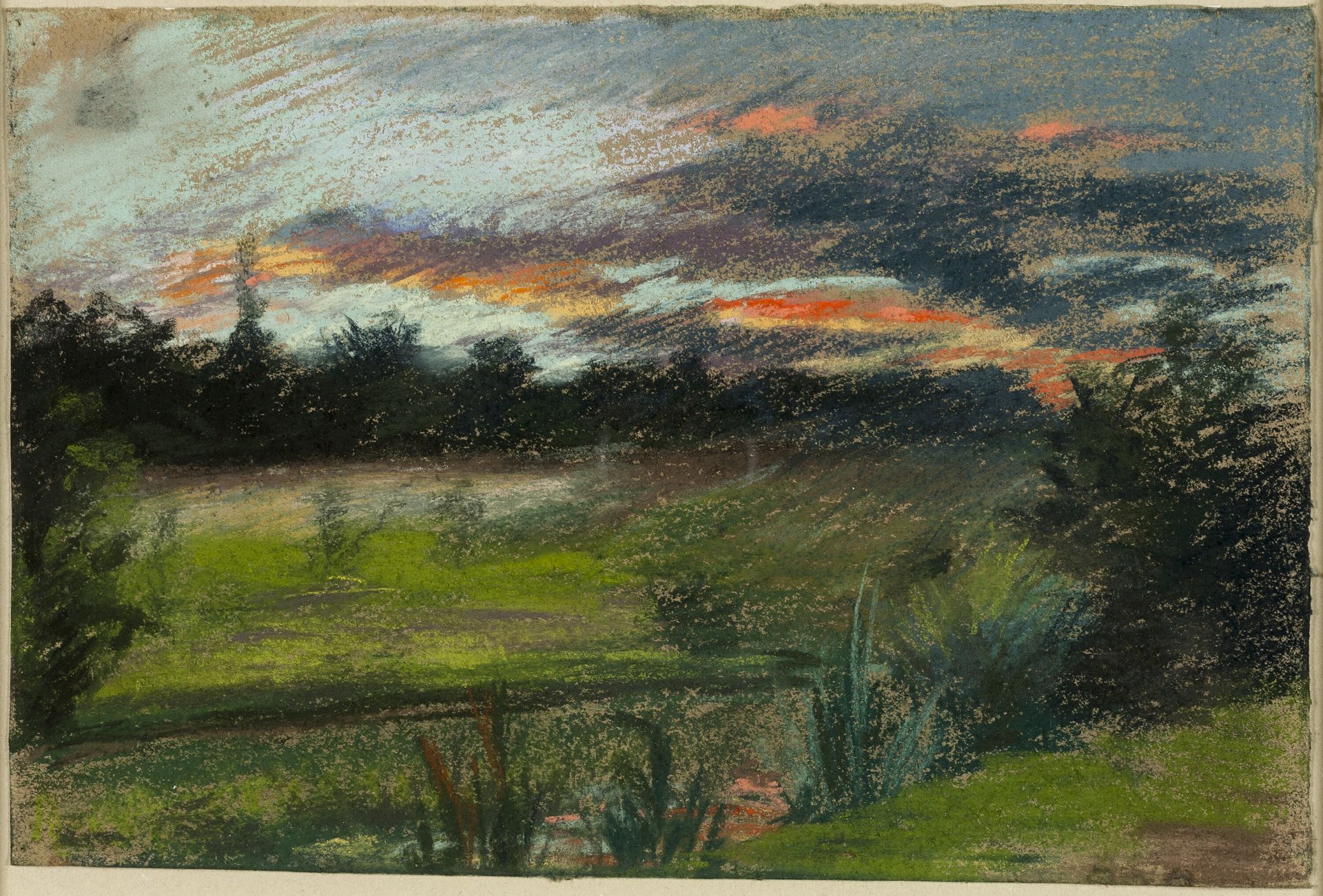
Paul Huet made this small pastel drawing called "Blue and Orange Sky." It shows us an idealized view of nature, probably somewhere in France, during the 1800s. But, this image wasn't just about pretty scenery, it also reflected the political mood of the time. Huet and his artist friends were reacting against what they saw as the rigid rules of the French Academy, which controlled art education and what got shown in museums. He preferred direct observation, and this meant looking closely at the natural world in all its changing moods and conditions. This reflected a broader interest in individual experience and freedom of expression. To truly understand this artwork, we can explore the history of French art institutions, study artists' writings from that era, and consider how broader social movements impacted art. By connecting this artwork to its social and institutional context, we gain a deeper understanding of its meaning and relevance.
Blue and Orange Sky
1838 - 1840


Artwork details
- Medium
- drawing, tempera, plein-air, paper, pastel
- Dimensions
- 188 × 279 mm
- Location
- The Art Institute of Chicago
- Copyright
- Public Domain
Tags
Comments
Share your thoughts
About this artwork
Paul Huet made this small pastel drawing called "Blue and Orange Sky." It shows us an idealized view of nature, probably somewhere in France, during the 1800s. But, this image wasn't just about pretty scenery, it also reflected the political mood of the time. Huet and his artist friends were reacting against what they saw as the rigid rules of the French Academy, which controlled art education and what got shown in museums. He preferred direct observation, and this meant looking closely at the natural world in all its changing moods and conditions. This reflected a broader interest in individual experience and freedom of expression. To truly understand this artwork, we can explore the history of French art institutions, study artists' writings from that era, and consider how broader social movements impacted art. By connecting this artwork to its social and institutional context, we gain a deeper understanding of its meaning and relevance.
Comments
Share your thoughts