1640
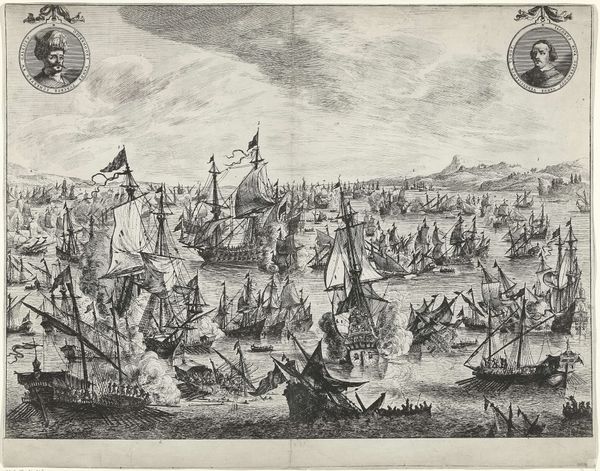
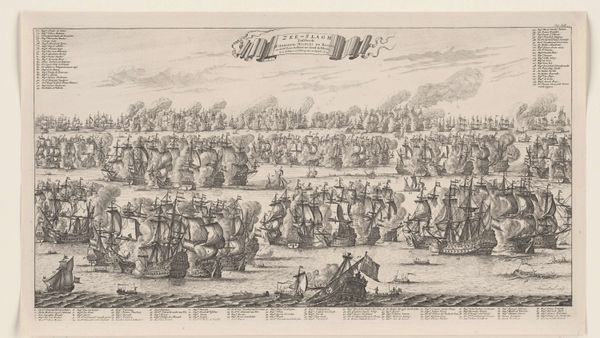
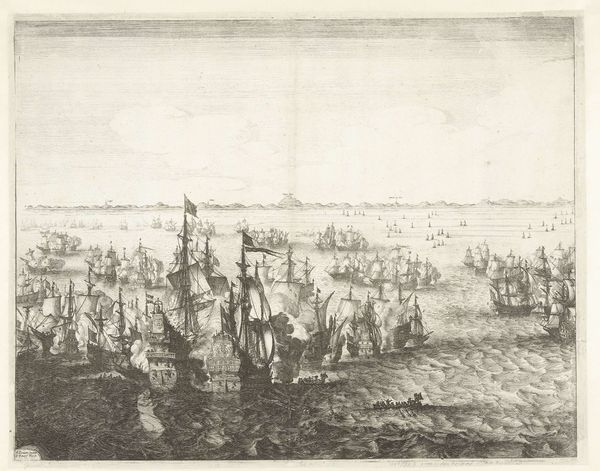
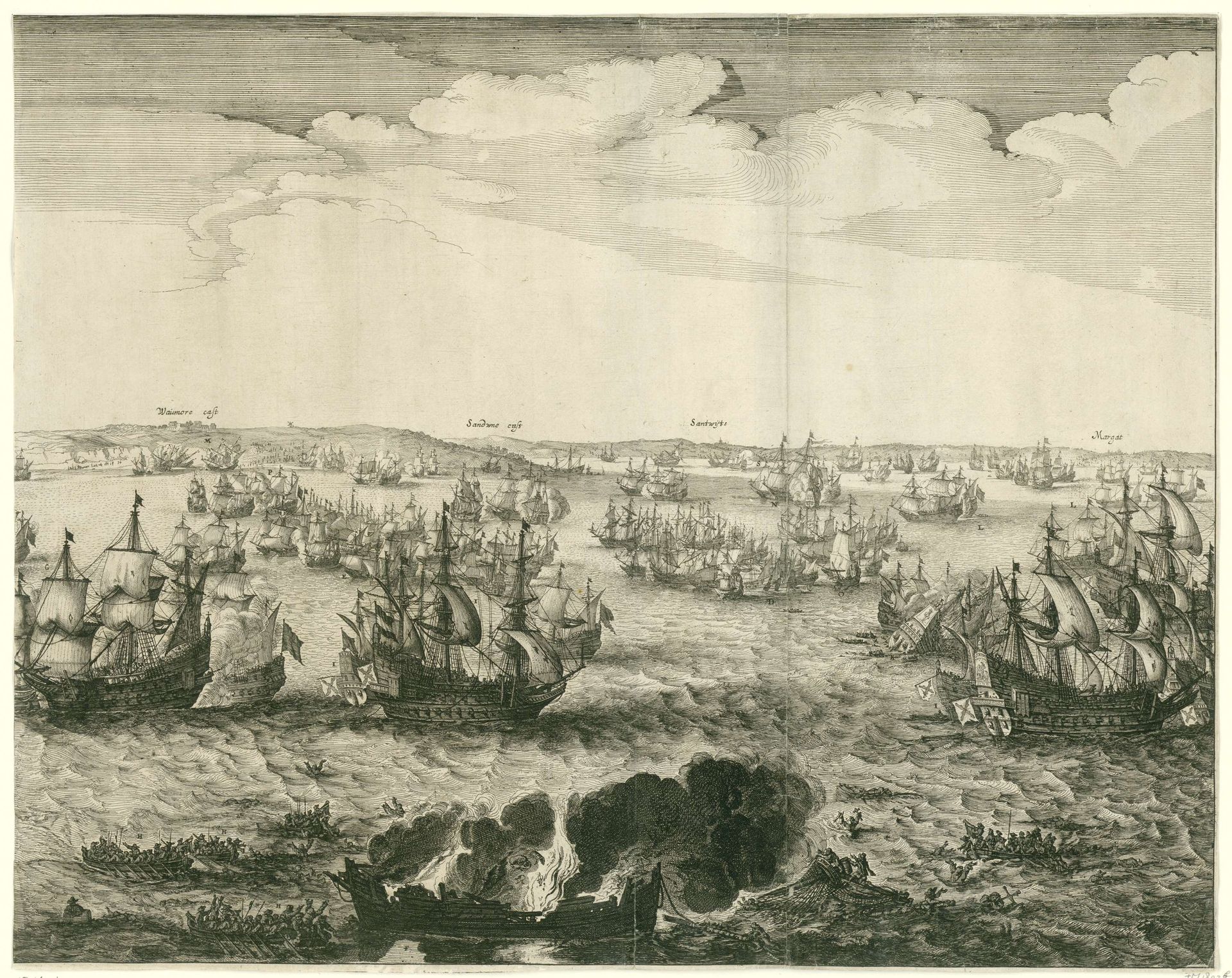
Zeeslag bij Duins (rechterplaat), 1639

Salomon Savery
1594 - 1678Location
RijksmuseumListen to curator's interpretation
Curatorial notes
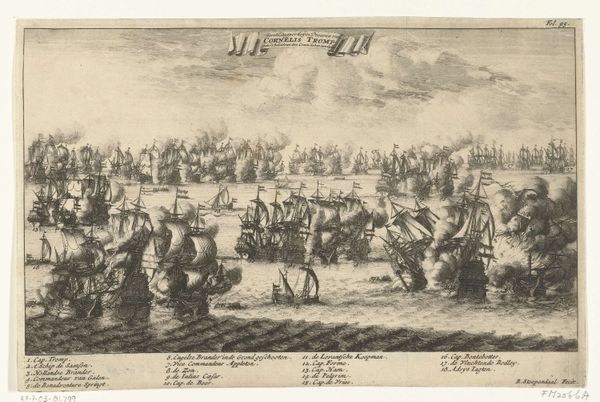
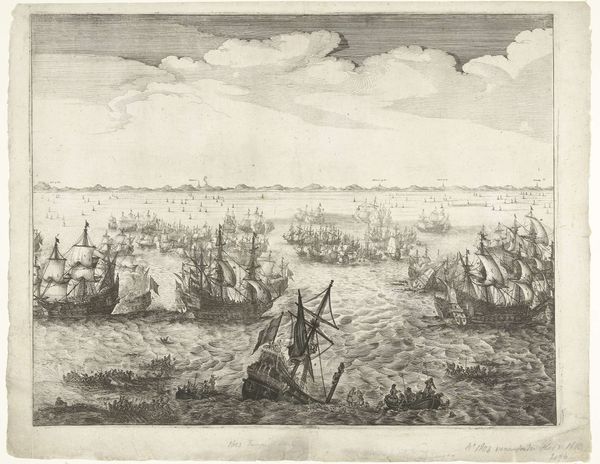
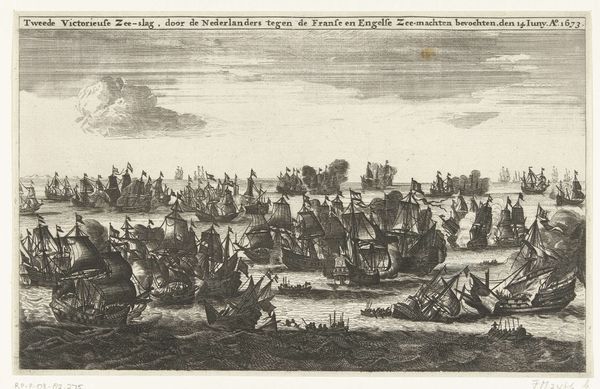
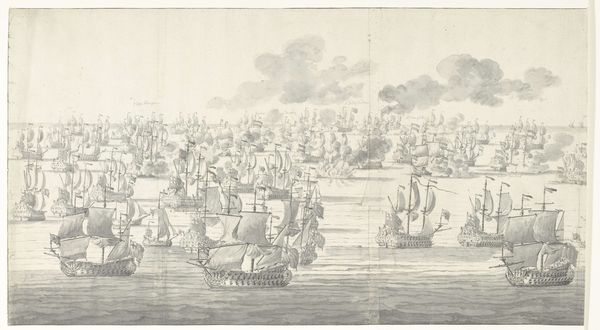
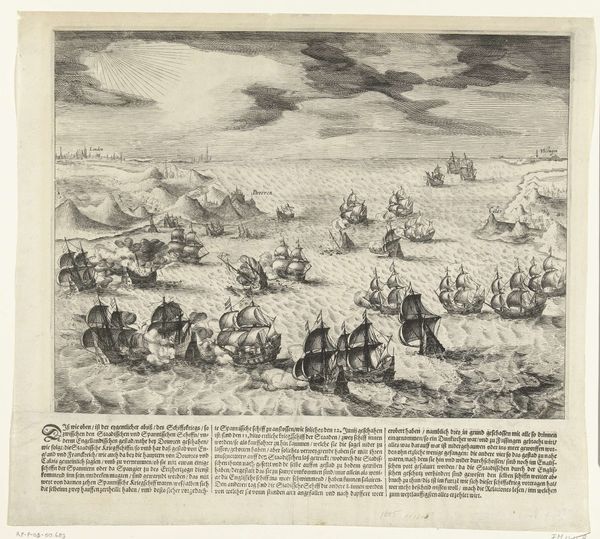
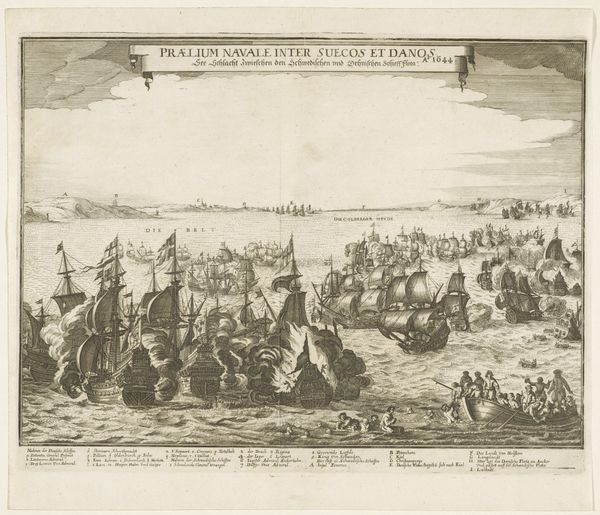
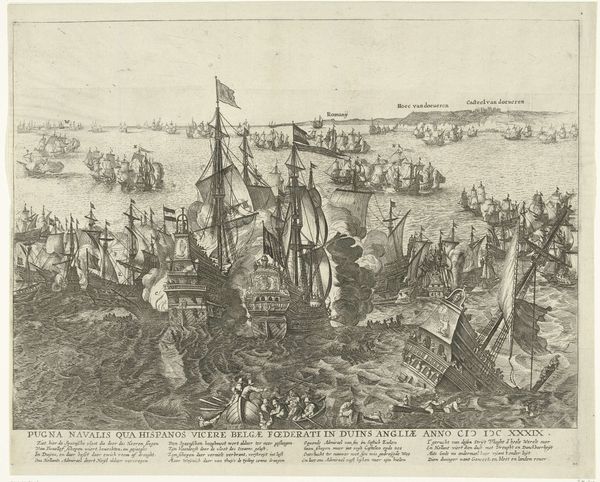
Salomon Savery created this engraving, "Zeeslag bij Duins (rechterplaat)", in 1639, depicting the Battle of the Downs. The magic here is in the process. Savery used a technique called etching. He would have covered a metal plate with a waxy, protective layer, then scratched away lines to expose the metal. The plate was then submerged in acid, which bit into the exposed lines, creating grooves. Ink was applied, filling these grooves, and the plate was pressed onto paper, transferring the image. Look closely at the image and you'll notice the incredible level of detail. The process allows for fine, intricate lines, which Savery used to convey texture and depth. Consider the sheer labor involved in creating such a detailed image, the time, skill, and effort required to produce each print. This wasn't just about art, it was about communication. Prints like these spread news and shaped public opinion during a time of intense political and economic change. The Battle of the Downs was a crucial victory for the Dutch, solidifying their maritime power and opening up new trade routes. Savery's print captures this moment, immortalizing the event and circulating it widely. It’s a powerful reminder that art is always intertwined with the social, political, and economic forces of its time.