Possibly 1837
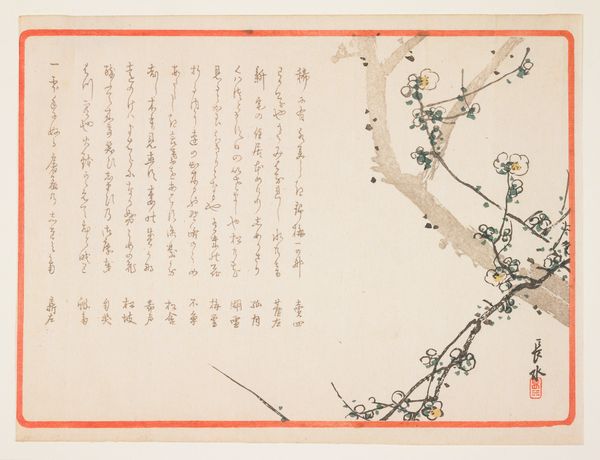
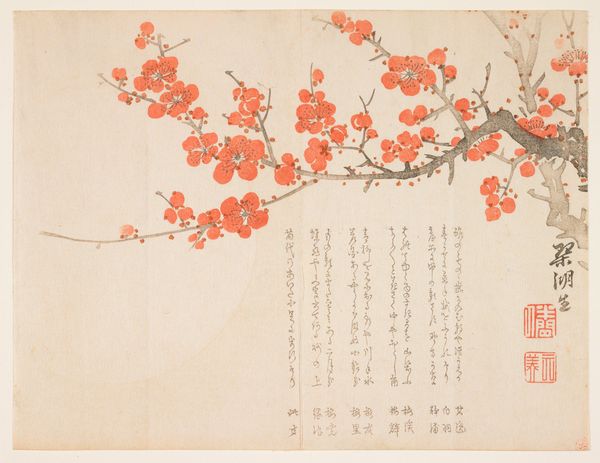
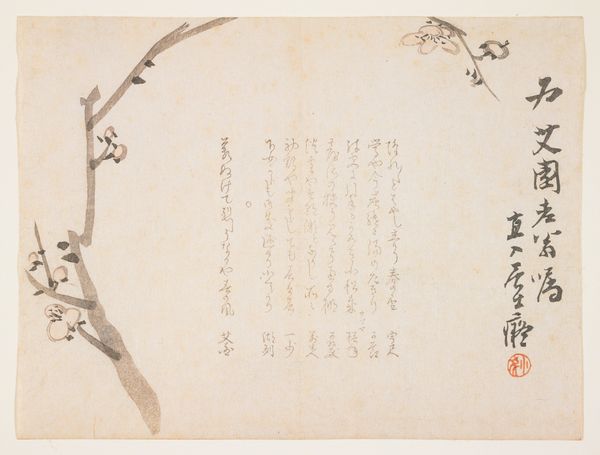
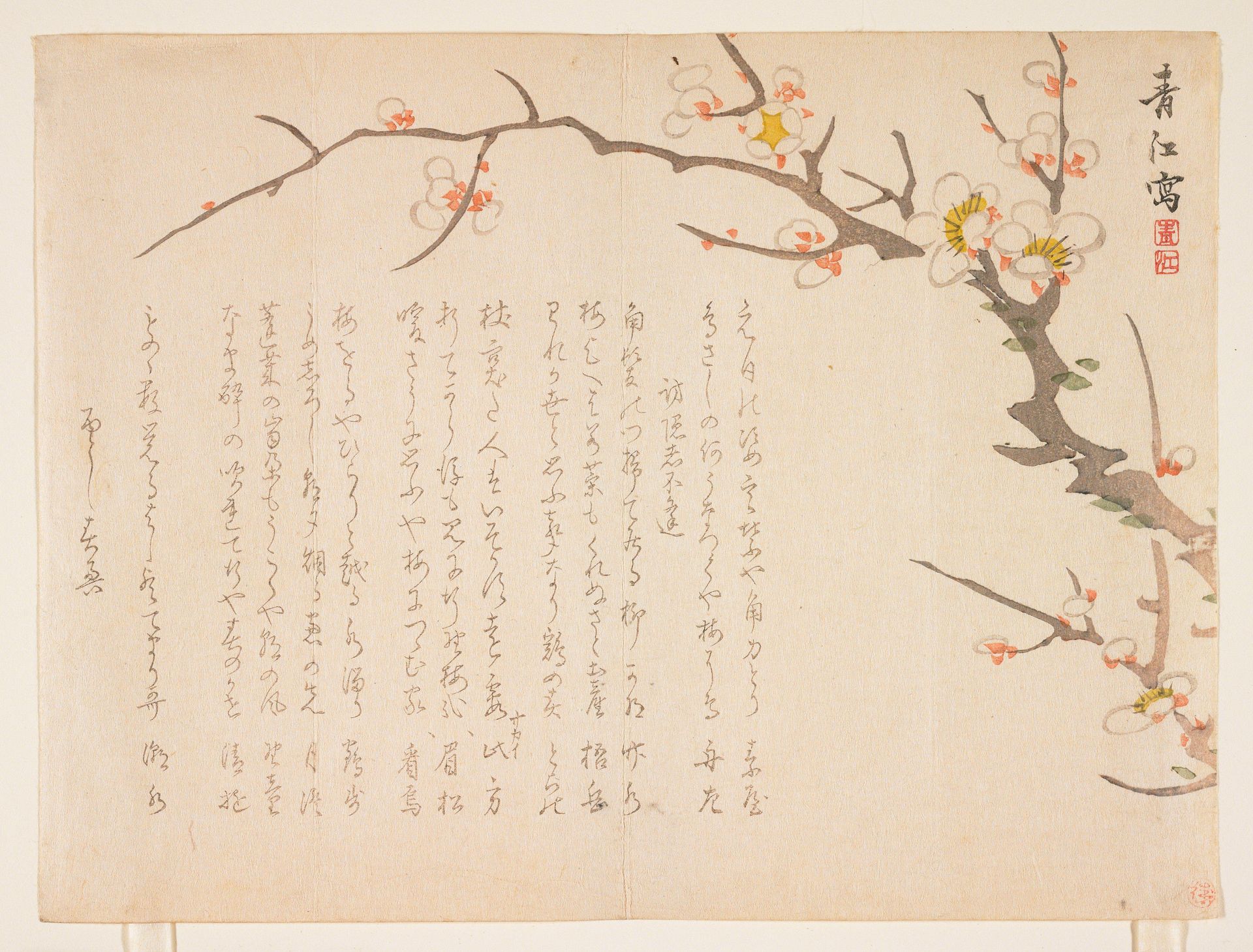
(Flowering plum)


Listen to curator's interpretation
Curatorial notes
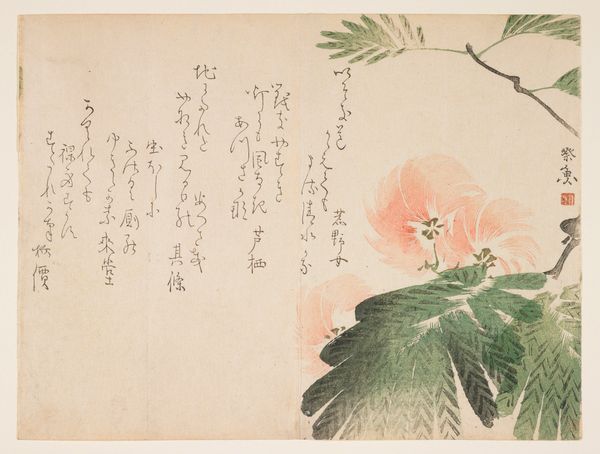
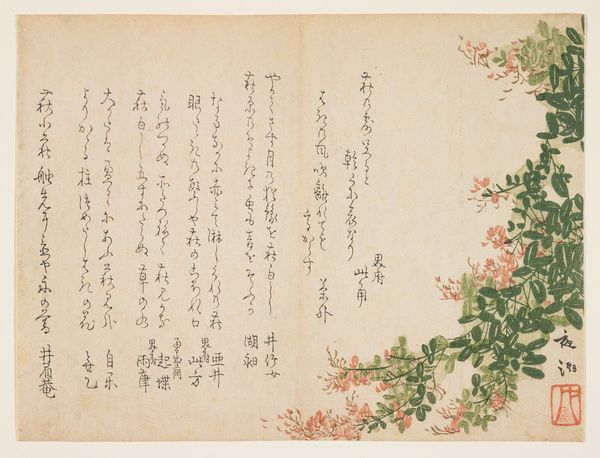
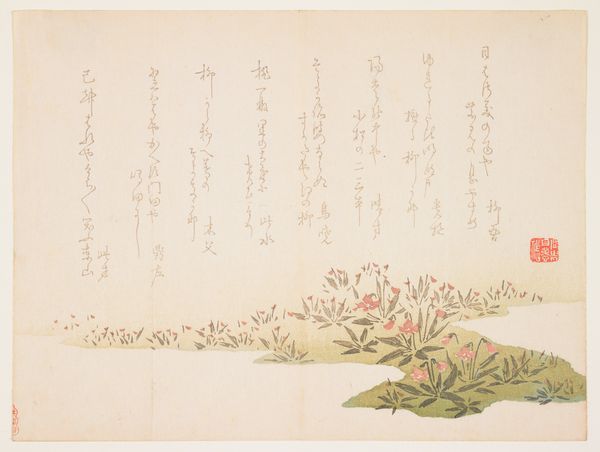
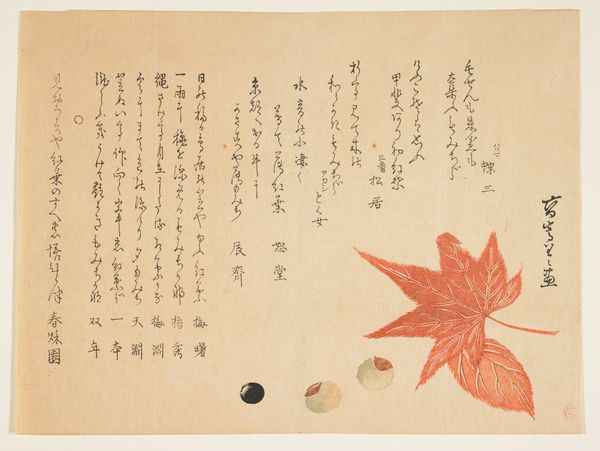
Hashimoto Seikō’s “Flowering Plum,” is a delicate dance of ink and color on paper. The plum blossom, with its pristine white petals, is a potent symbol in East Asian art, representing resilience, renewal, and the fleeting nature of beauty. Consider the enduring image of the blossoming branch, a motif found as early as the Song Dynasty. Its sinuous form appears in the West, echoed in Art Nouveau designs that capture a similar spirit of organic growth and ephemeral beauty. This universal appeal transcends cultural boundaries, tapping into a deep-seated human appreciation for the cyclical rhythms of nature and the promise of spring after winter's starkness. There is a sense of cyclical return: The plum blossom, a tiny beacon of hope, mirrors humanity's eternal longing for rebirth and rejuvenation. It connects us to our past, reminding us that even in the darkest of times, life finds a way to bloom again.