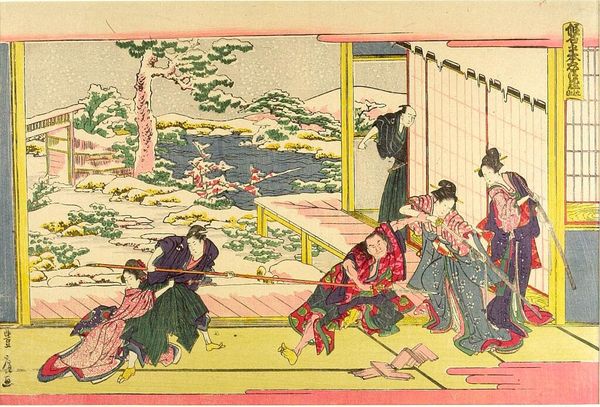
c. 1806
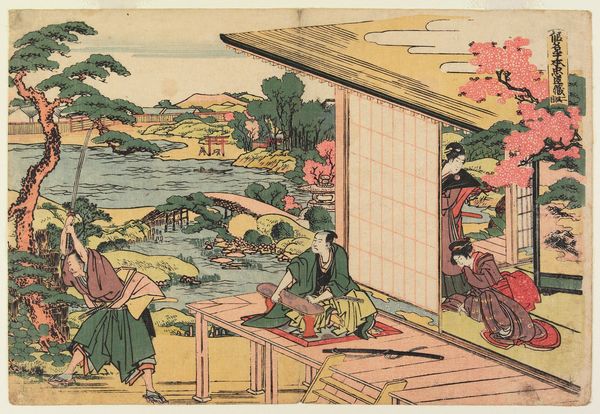
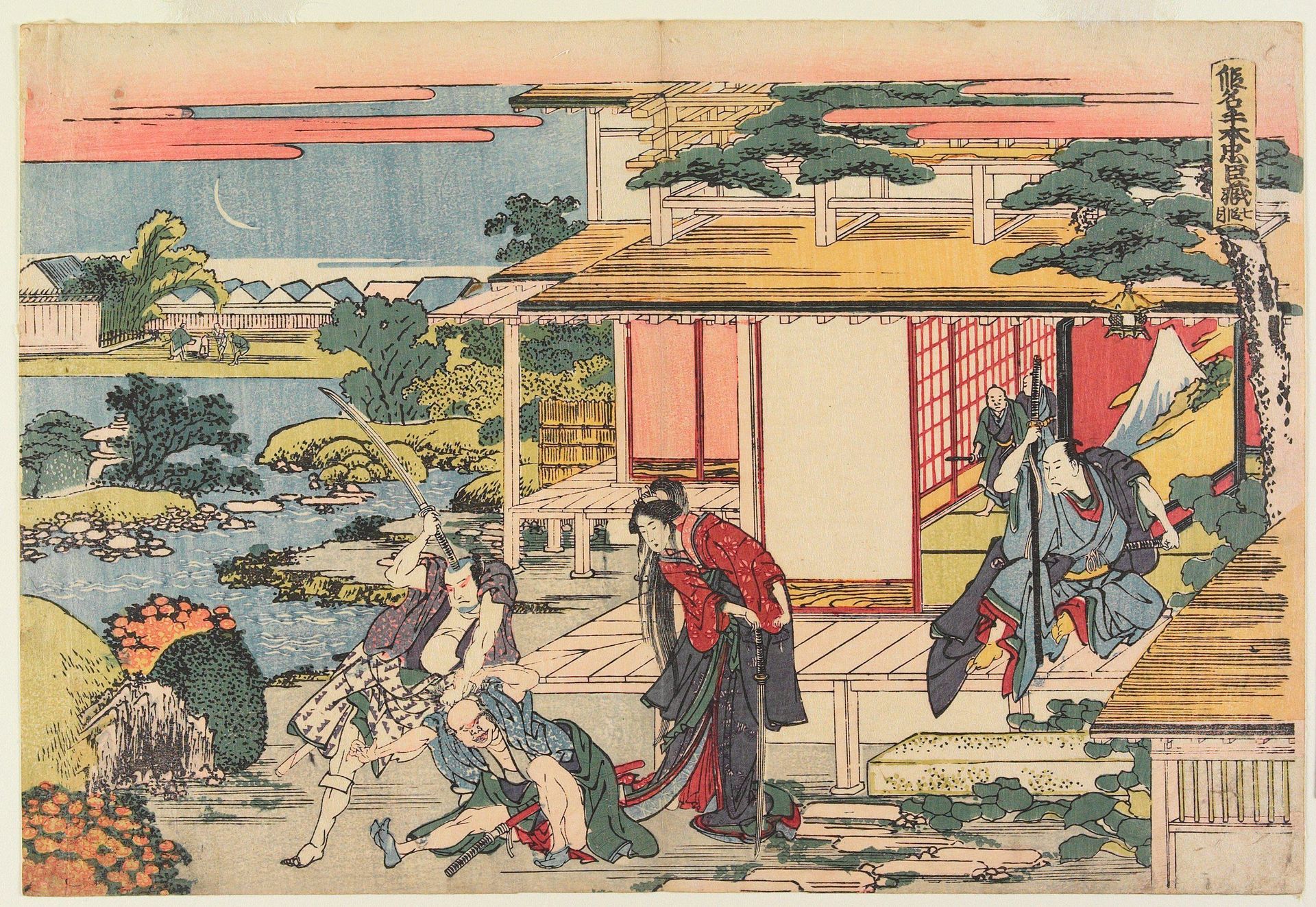
Act VII


Listen to curator's interpretation
Curatorial notes
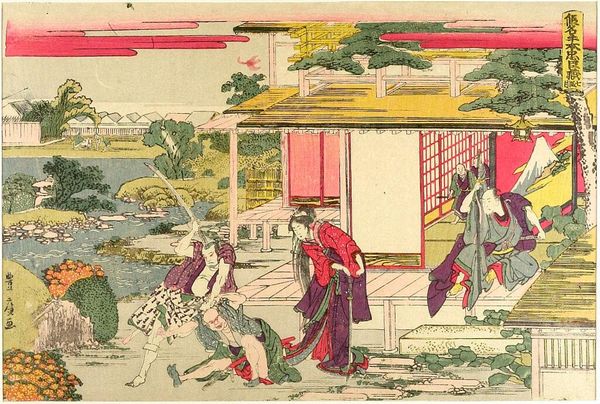
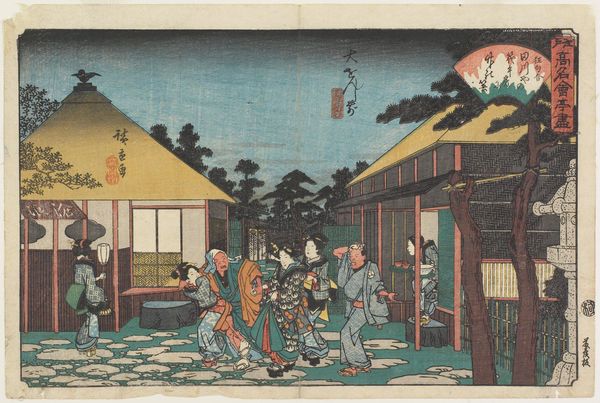
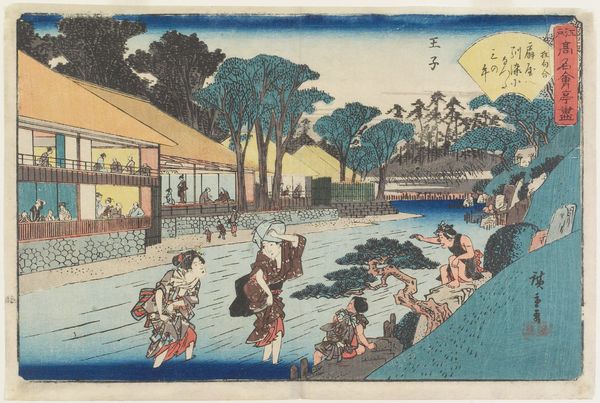
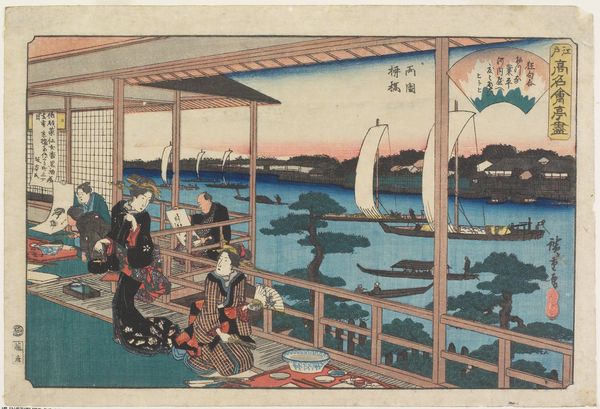
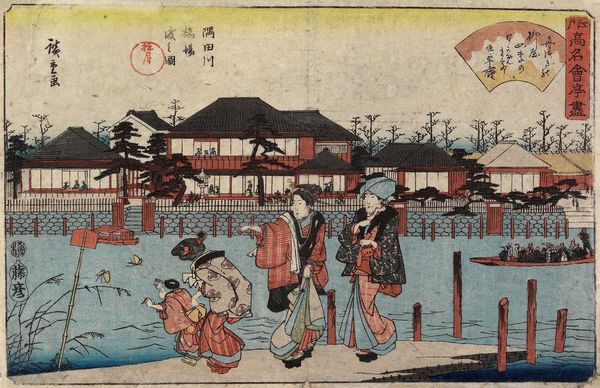
Katsushika Hokusai made this print, Act VII, using woodblocks, sometime before 1849. It's a great example of ukiyo-e, or "pictures of the floating world". Consider the labor involved in producing a multi-colored print like this. Each color requires a separate block, meticulously carved by skilled artisans. The lines are crisp and clean. The subtleties in color, texture and layering give depth and vibrancy to the scene. The artist would have worked closely with woodworkers and printers. The cultural significance of ukiyo-e lies in their accessibility. These prints were not exclusive to the elite, they were widely available, offering glimpses into popular culture, landscapes, and theatrical performances. They reflect the tastes and interests of the burgeoning merchant class, who were eager to consume images of their rapidly changing world. Understanding the materials and making of ukiyo-e helps us appreciate their beauty, but also their role in shaping social values and consumer culture in 19th century Japan.